Answering the search for navy blue wood stain options, this guide highlights five practical choices for interior and exterior wood projects. Each product is chosen for how clearly it provides color, coverage, and ease of use. Best for DIYers seeking a vibrant navy finish on furniture, cabinets, or trim, and for woodworkers who value either water-based or oil-based formulas. The table below helps compare key choices at a glance.
| Product | Type | Best for | Notes |
|---|---|---|---|
| Varathane Premium Fast Dry Worn Navy Wood Stain | Oil-based stain | Interior furniture and cabinets | One-coat coverage; dries in 1 hour |
| Minwax Wood Finish Water-Based Solid Color Stain, Marine Blue | Water-based solid color | Projects needing vivid color with less grain show | Thick, easy to apply |
| Ninesung Blue Wood Stain Powder | Water-activated dye powder | Indoor/outdoor projects with multiple color options | Fast drying; mix-to-color control |
| SamaN Interior Water Based Wood Stain – Navy | Water-based liquid stain | Professional or DIY interior updates | Low odor and low VOC |
| Rust-Oleum Painter’s Touch Brush Enamel Paint, Gloss Navy Blue | Brush-on enamel | Broad surfaces and metal-friendly projects | Gloss finish; quick-drying |
Varathane Premium Fast Dry Worn Navy Wood Stain

Brand: Varathane. This oil-based formula is designed for interior wood projects such as furniture, cabinets, doors, trim, and paneling. Features include one-coat coverage and a fast-drying performance, with a dry-to-touch time of about 1 hour and coverage up to 275 square feet. Best for buyers who want a durable, even navy finish on furniture and built-ins with minimal coats. A potential limitation is longer cleanup for oil-based products and a stronger odor during application.
Who this is best for: DIY homeowners refinishing furniture or updating cabinetry who value quick handling and deep navy color. Why selected: It combines a rich, translucent to solid finish with practical dry times, making it easier to achieve an even navy look in fewer coats. Caution: Oil-based stains require mineral spirits or dedicated cleaners for cleanup and ventilation during use.
Minwax Wood Finish Water-Based Solid Color Stain, Marine Blue

Brand: Minwax. This water-based solid color stain dries in about 1 hour per coat and provides a vivid color with less grain visibility. It is designed to be thick enough for easier application while delivering a bold marine-blue finish. Best for projects where color impact and quick turnaround are priorities. A limitation to note is that solid colors can obscure some wood grain more than transparent stains.
Who this is best for: Cabinet or furniture projects where a solid navy hue is desired with faster cleanup. Why selected: It’s a water-based option that yields a pronounced color with easier application and shorter drying times. Caution: The color may appear more opaque, hiding natural wood grain details compared to translucent stains.
Ninesung Navy Blue Wood Stain Powder

Brand: ninesung. This navy blue wood stain powder is designed for indoor and outdoor use, offering fast drying and high concentration. It provides even color penetration and handy color customization by mixing with water. Best for projects where you want control over intensity and the option to dye multiple surfaces with the same base color. A limitation is that the mixing ratio and application steps require careful following for consistent results.
Who this is best for: Woodworkers who prefer dye powders and want flexibility in shade depth. Why selected: It enables easy color tuning and is suitable for both interior and exterior applications. Caution: Requires precise mixing and proper surface prep for best results and may need a sealer after final coat for durability.
SamaN Interior Water Based Wood Stain – Navy

Brand: SamaN. This navy interior stain emphasizes low odor and low VOC, making it a practical option for indoor projects. It markets itself as a safe, easy-to-apply product that can elevate the wood’s natural beauty with one coat. Best for professional or DIY projects where indoor air quality and ease of use are priorities. A potential limitation is color depth may vary with wood type and porosity.
Who this is best for: Finish-focused interior renovators seeking a safer, low-odor option. Why selected: It combines a user-friendly water-based formula with a navy tone that enhances craftsmanship without harsh fumes. Caution: Wood species and prep can influence final color uniformity; test on an inconspicuous area first.
Rust-Oleum Painter’s Touch Gloss Navy Blue
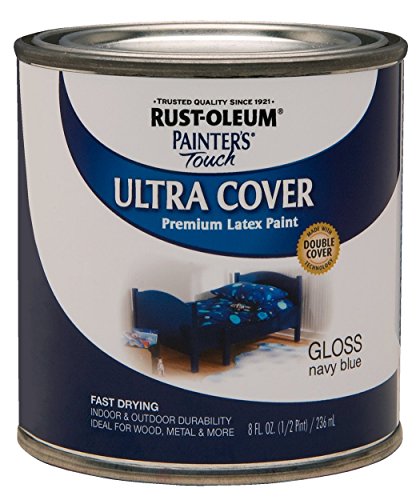
Brand: Rust-Oleum. This gloss enamel is versatile for both wood and other surfaces, offering a glossy navy finish with a quick dry-to-touch time. Best for projects requiring a durable enamel with a bold navy color on larger surfaces or metal accents. A limitation is that gloss finishes can show brush marks if not applied carefully.
Who this is best for: Projects needing a durable gloss navy finish across multiple materials, such as furniture with mixed textures. Why selected: It provides a quick-drying, hard-wearing enamel that stands up to daily use. Caution: Gloss finishes demand careful application to avoid visible brush strokes, and proper surface preparation improves results.
Buying Guide — Navy Blue Wood Stain: Key Considerations
What finish should I choose: oil-based vs water-based?
Oil-based stains typically offer richer color depth and longer durability on traditional wood, but require solvents for cleanup and have stronger odors. Water-based stains dry faster, emit fewer odors, and are easier to clean up, but color depth can vary by product. Choose oil-based for deeper navy on high-traffic pieces and water-based for indoor projects with stricter ventilation needs.
How important is color depth and grain visibility?
Solid color stains produce vivid navy with less grain showing, while transparent or semi-opaque stains highlight wood grain with a navy tint. If you want bold color with minimal grain, prefer solid color or enamel. If you want more wood character, select a stain labeled as transparent or semi-opaque.
Do I need a sealer or topcoat?
Many wood stains benefit from a protective topcoat. Water-based stains often pair with water-based polyurethanes, while oil-based stains may require compatible sealers. Sealing protects against moisture, stains, and wear. Some products include built-in protection; verify after-stain protection needs.
How do surface prep and wood type affect results?
Prep is crucial: sand, clean, and remove existing coatings. Wood porosity and species affect color uptake. Softwoods or reclaimed wood may absorb stain unevenly; test on a scrap piece first and consider applying a conditioner on softwoods to even out absorption.
What about color matching and multiple surfaces?
For projects with multiple panels or furniture pieces, select a navy shade consistent across products. If color matching is critical, purchase the same stain or powder color and batch-match portions to reduce shade variation across surfaces.
How long does the finish last in real-world use?
Durability depends on exposure, surface prep, and topcoat. Oil-based options tend to resist wear longer on high-traffic surfaces, while water-based products offer easier maintenance and cleanup. For exterior or outdoor use, consider UV protection and recoat schedules as part of ongoing maintenance.
Quick comparison checklist
- Oil-based Varathane: deep navy with quick dry; harder cleanup.
- Water-based Minwax Marine Blue: vibrant color; fast cleanup.
- Ninesung dye powders: customizable depths; mix-to-color control.
- SamaN Navy: low odor; interior-focused.
- Rust-Oleum Gloss Navy: durable enamel; gloss finish.
Frequently Asked Questions
- What is the difference between navy stain and navy paint?
- Can I use navy stain on outdoor wood?
- How many coats should I apply for a navy finish?
- Do I need to sand between coats?
- Will navy stain yellow or fade over time?
- Is a pre-stain conditioner necessary for pine or softwoods?
Navy stain adds color while letting wood grain show; navy paint covers the surface with opaque color and hides grain.
Some stain powders and water-based products are suitable for outdoor use; check product specs and consider sealers for exterior protection.
Coat recommendations vary by product; many stains are designed for one coat, while some may benefit from a second coat for even color depth.
Most stains do not require sanding between coats; follow manufacturer directions and allow adequate dry time before re-coating.
Color stability depends on UV exposure and finish; UV-protective sealers help maintain color and reduce fading.
Pre-stain conditioners can help even absorption on softwoods, reducing blotchiness and achieving a more uniform navy finish.
Add a Comment