Whether you’re restoring an old barn tool, repairing a car frame, or priming metal surfaces exposed to harsh weather, a rust-focused primer is essential. This guide highlights five top rusty metal primer sprays designed to convert, seal, and protect heavily rusted surfaces while preparing them for topcoats. Suitable buyers include DIY homeowners, automotive restorers, farm equipment managers, and weekend warriors tackling exterior metal projects. Below you’ll find quick picks, a buyer’s table, and a practical buying guide to compare options at a glance.
| Product | Best For | Key Benefit |
|---|---|---|
| Rust-Oleum 7769830 Stops Rust Rusty Metal Primer Spray (12 oz, Flat Brown) | Heavily rusted exterior or interior metal | Durable oil-based rust prevention |
| Rust-Oleum Automotive Rusty Metal Primer Spray (Flat Light Gray) | Vehicles, cars, trucks, and metal components | Rust-resistant base coat for auto surfaces |
| Rust-Oleum Stops Rust Reformer Black Spray Paint | Rusty, bare metal ready for paint | Instantly converts rust to a paintable surface |
| Rust-Oleum Stops Rust Custom Spray 5-in-1 Rusty Metal Primer (Brown) | Heavily rusted surfaces needing 360° spray | 5-in-1 formula with ergonomic spray technology |
| Rust-Oleum 7780830 Stops Rust Clean Metal Primer Spray (White) | General rust prevention on mixed surfaces | Excellent adhesion on multiple substrates |
Rust-Oleum 7769830 Stops Rust Rusty Metal Primer Spray
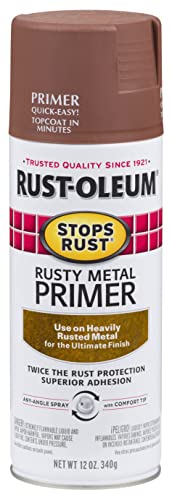
Best for heavily rusted metal surfaces needing a protective base coat. The oil-based formula provides durable rust prevention and adheres well to exterior or interior metal. Dries to the touch in 15-30 minutes, covering about 10-12 sq. ft. per can. Suitable for builders and DIYers working on heavy rust projects where longevity matters. Caution: oil-based primers can be slower to dry in humid conditions; ensure adequate ventilation during application.
Rust-Oleum Automotive Rusty Metal Primer Spray
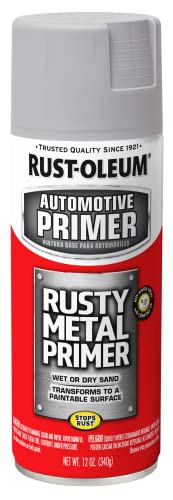
Designed for heavily rusted automotive surfaces, this oil-based primer provides a rust-resistant base coat for cars, trucks, and other vehicles. It covers up to 12 sq ft and dries to the touch in about 15 minutes, with recoat readiness. Best for automotive restorations or metal parts that endure road salt and moisture. Choose this if you’re priming vehicle components where a fast-drying, durable base coat is prioritized. Limitation: automotive primers may require compatible topcoats for best color match and finish.
Rust-Oleum Stops Rust Reformer Black Spray Paint

This product is ideal when you need to convert existing rust into a stable, paintable surface before coating. The oil-based reformer bonds with rust to form a flat black, protected layer, reducing the need for heavy rust removal. Dries tack-free in 20-40 minutes, with a 24-hour window before applying a topcoat. Best for fast stabilization and priming over rusted surfaces that still have stubborn oxidation. Limitation: requires topcoat timing to ensure optimal finish after reforming.
Rust-Oleum Stops Rust Custom Spray 5-in-1 Rusty Metal Primer

This brown primer is designed specifically for heavily rusted surfaces, offering 360° any-angle spray and a large finger pad to reduce fatigue. Dries in about 120 minutes, providing a versatile option when you need precise coverage from awkward angles. Best for long-lasting protection on severe rust while maintaining user comfort. Caution: longer dry times mean planning for ambient conditions and project timeline.
Rust-Oleum 7780830 Clean Metal Primer Spray

Best for general rust prevention on mixed surfaces, including wood, metal, and masonry alongside exterior and interior projects. The oil-based formula provides a durable protective coating with strong rust prevention, and it dries to touch in about 15 minutes with coverage up to 12 sq. ft. This primer is a versatile pick when working across different materials, but ensure compatibility with topcoats for best results. Caution: performance may vary on heavily pated or flaked rust without proper surface preparation.
Buying Guide
What should you consider when choosing a rusty metal primer?
- Surface condition: For heavily rusted metals, primers designed to convert rust or to stabilize oxidation offer the best base for topcoats.
- Drying time: If you’re on a tight schedule, look for primers that dry to touch within 15 minutes, but plan for longer curing if you’ll apply topcoats soon after.
- Oil-based vs water-based: Oil-based rust primers typically provide stronger adhesion and rust resistance, but require ventilation and longer cleanup.
- Coverage: Check square footage per can to estimate project scope and the number of cans needed.
- Apparent finish: Choose a color that matches or complements your topcoat and consider whether a reformer or 5-in-1 primer better suits your workflow.
- Application angle: If you’ll spray from awkward angles, a 360° spray design or ergonomic trigger can reduce fatigue and improve coverage.
- Compatibility: Ensure the primer is compatible with your intended topcoat (oil-based vs latex) and substrate (metal, wood, concrete).
Frequently Asked Questions
- Q: Can rusty metal primer be used on bare metal without rust? A: Yes, but primers focused on rust control can still provide a solid base; ensure proper adhesion with a clean, dry surface.
- Q: How long should I wait before topcoating after applying a rust primer? A: Follow the product’s guidance, typically 15–40 minutes for touch-dry, and up to several hours or a full day before topcoating depending on the formula.
- Q: Is an automotive primer better for vehicle parts? A: Automotive rust primers are designed for vehicles and may offer better compatibility with automotive topcoats and finishes.
- Q: Do I need to remove all rust before priming? A: For heavily rusted surfaces, rust-reactive or reformer primers can stabilize rust, but loose flakes should be removed to improve adhesion.
- Q: Can I use these primers indoors? A: Yes, but ensure proper ventilation and follow safety guidelines for oil-based products.
- Q: How many coats should I apply? A: Often a single coat is sufficient for rust control, but a second coat may be needed for heavily pitted areas or when sealing.
Add a Comment