Answering buyers’ needs quickly: these closed cell foam sheets provide versatile insulation, cushioning, and sound dampening across automotive, home, and DIY projects. The top picks below suit different buyer types—from DIY hobbyists and car enthusiasts to crafters and packing specialists. Use this guide to compare core benefits and pick the best fit for your project.
Summary table of selected products:
| Product | Best For | Key Benefit |
|---|---|---|
| Artilife 1/2″ Foam Roll | General insulation and padding | Easy to cut, sound deadening, heat sealing |
| GoTo Foam 2″ Upholstery Sheet | Upholstery and padding projects | 1.8 density, durable, easy to cut |
| Storystore Adhesive Foam Sheet | Lining and weatherproofing | Adhesive backed, anti-slip, waterproof |
| Siless Liner 157 | Car sound deadening | Oil/waterproof, strong thermal barrier |
| Joyfolk 4 Pcs 1″ Pads | Adhesive padding for quick fixes | High density, adhesive backing, durable |
Artilife 1/2-Inch Foam Roll For DIY Projects

Dimensions: 1/2″ Thick x 13″ Wide x 60″ Long. This closed cell foam roll can be easily cut into sheets or pads for insulation, sealing, and padding. Made from premium EPDM, it provides tight sealing, shock absorption, and heat insulation. Best for auto, garage, and kitchen padding, sound deadening for vehicles and studio equipment.
Who this is for: ideal for DIYers needing a versatile, cut-to-fit foam for everyday soundproofing and padding. The material is durable and flexible enough for multiple projects. Caution: thickness is moderate, so more padding may be required for heavy-duty applications.
GoTo Foam 2″ Upholstery Sheet, 72″ Long
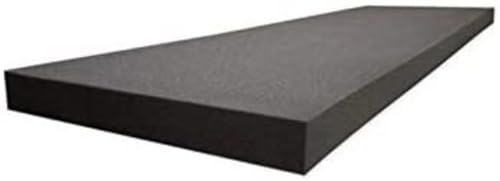
Product notes: 2″ x 24″ x 72″ in black, 1.8 density, firm (44 ILD). Best for seat cushions, bench padding, packaging inserts, and soundproofing. It cuts easily with a knife and yields professional upholstery results. This foam is stain and impact resistant, maintaining its shape in demanding environments.
Who this is for: perfect for furniture refurbishments, cosplay armor, or projects requiring sturdy, supportive foam. Better for those who need a high-density option that won’t flatten quickly. Limitation: heavier density may be stiffer to work with for delicate crafts.
Storystore Foam Rubber Sheet With Adhesive

Dimensions: 12 x 59 x 1/4 Inch. This closed-cell neoprene foam sheet includes a strong adhesive backing, making it ideal for lining machines, speakers, and other equipment to reduce sound and vibration. It also provides a waterproof, anti-slip surface when applied correctly.
Best for: quick, adhesive-backed soundproofing and weatherproofing tasks. Choose this if you need a simple install without additional bonding steps. Caution: the adhesive can be sensitive to surface dust and temperature during application.
Siless Liner 157 Car Sound Deadener
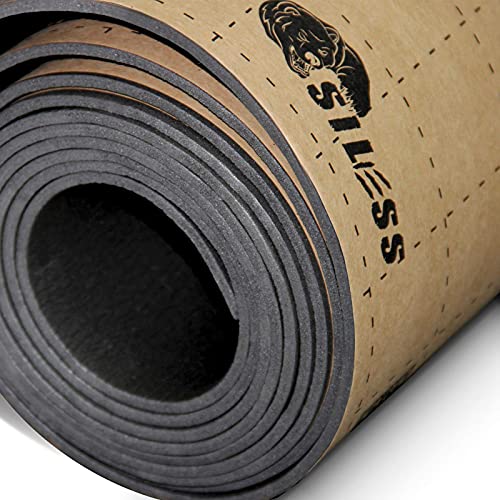
Features: Closed-cell polyethylene foam with an adhesive layer. Blocks up to 98% of radiant heat transfer and serves as a versatile thermal barrier. The material is lightweight, waterproof, and highly compressible, making installation straightforward on vehicles and other surfaces.
Who this is for: best for car enthusiasts and DIYers seeking effective heat and vibration deadening. Advantage: high efficiency at a lower cost per square foot. Limitation: exact adhesive performance can be surface and climate dependent.
Joyfolk 4 Pcs 1-Inch Thick Foam Pads

What you get: four thick, adhesive-backed closed-cell foam pads, each 12 x 8 inches and 1″ thick. High-density material provides sound and heat insulation, anti-slip properties, and vibration absorption. The pads are non-toxic and durable, with a waterproof adhesive backing for secure mounting.
Best for: quick, strong spot padding on machinery, speakers, or cabinets. Choose these if you need reliable, ready-to-apply pads. Caution: avoid reapplying the pad after removal to preserve adhesive strength.
Buying Guide: Key Considerations For Closed Cell Foam Sheets
- Density and firmness: Higher density (ILD) yields better support and load resistance, but can be harder to cut. Match density to project needs, from upholstery to vibration damping.
- Cell structure: Closed-cell foams resist water and moisture better than open-cell foams. For moisture-prone applications, closed-cell is preferable.
- Adhesive backing: Self-adhesive sheets simplify installation but surface compatibility and temperature affect adhesion. Test a small area first.
- Temperature tolerance: Some foams perform poorly in extreme heat or cold. Check operating temperature ranges for outdoor or automotive use.
- Cutting and shaping: Thicker foams require sharper tools or specialty blades. Consider whether you need pre-cut sheets or roll stock for custom shapes.
- Application environment: Autos, studios, or garages benefit from sound dampening, heat insulation, or sealing properties. Prioritize products with strong sealing and vibration control for these spaces.
- Moisture and odor: Look for models advertised as waterproof and low-odor, especially for indoor installations or sensitive spaces.
Frequently Asked Questions
- What is closed-cell foam used for?
Common uses include insulation, padding, sealing, sound deadening, and vibration reduction in vehicles, appliances, and DIY projects.
- Is adhesive-backed foam durable for outdoor use?
Adhesive-backed foams can endure outdoor exposure if the adhesive is rated for outdoor use, but surface prep and temperature during installation matter.
- Can I cut these foams with a utility knife?
Yes. Many foams cut easily with a sharp utility knife or scissors, depending on thickness and density.
- Which foam is best for car sound deadening?
Foams labeled as car sound deadeners or carriers with high density and closed-cell structure typically perform best.
- Do I need protective gear when handling foam sheets?
Basic safety is recommended: avoid inhaling dust when cutting and wear gloves for handling and installation.
Add a Comment