Answering your search for oil-based paint primers that block stains and seal porous surfaces, these products are ideal for homes with tannin bleed, water stains, smoke damage, or glossy surfaces. This guide highlights top picks for interior and exterior use, along with who each primer best serves. The featured options range from classic stain-blocking primers to low-odor formulations, helping buyers choose based on project scope, surface type, and environmental considerations.
| Product | Best For | Surface Type | Notes |
|---|---|---|---|
| Zinsser Cover-Stain Stain-Blocking Primer, Quart | Heavy stain blocking | Wood, drywall, concrete | Oil-based; high hiding |
| Rust-Oleum Zinsser 3954 Odorless Oil-Base Primer | Low odor projects | Wood, drywall, plaster | Low-VOC; quick dry |
| Zinsser Cover-Stain Oil-Base Primer-Sealer Spray | Spray-on convenience | Indoor/outdoor surfaces | Hides stains; no sanding |
| INSL-X Reduced Odor Oil-Based Primer | Stain bleed prevention | Porous substrates | Interior; strong adhesion |
| Zinsser High Hide Cover-Stain Primer | Dark color blocking | Exterior/interior | High hiding; tannin blocking |
Zinsser Cover-Stain Stain-Blocking Primer, Quart
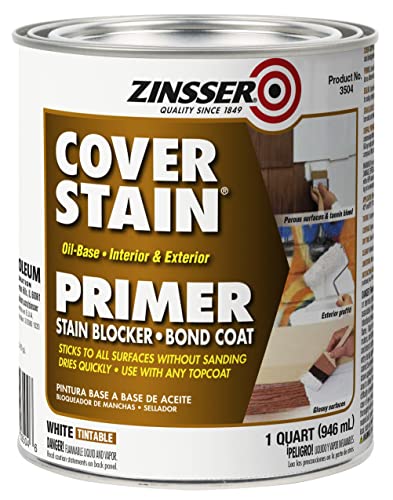
This oil-based primer/sealer is designed to block stains and provide a durable base for topcoats. Best for: projects with heavy stain bleed from smoke, water damage, or tannins. It adds extra sheen to the finished surface, which can improve topcoat adhesion in high-traffic areas. Caution: oil-based primers can take longer to cure in cooler conditions and may require ventilation.
Rust-Oleum Zinsser 3954 Odorless Oil-Base Stain Blocker Primer, Quart, White

Odorless oil-based primer suitable for interior use on wood, drywall, plaster, concrete, and masonry. Best for: residential and commercial projects where odor control matters and fast recoat times are beneficial. It dries to touch in about 30 minutes and covers up to 100 sq ft, aiding quicker project completion. Limitation: odor-reduction is strong but not zero, and ventilation remains important.
Zinsser Rust-OLEUM 1-2-3 Plus Spray Primer, White, 13oz
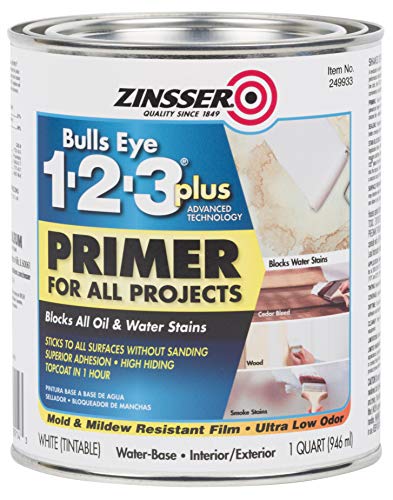
This spray primer provides interior/exterior use on drywall, concrete, wood, masonry, metal, and glossy surfaces. Best for: faster applications on large or difficult-to-sand surfaces where spray coverage offers convenience. Better for: projects needing quick coats without sanding. Caution: spray primers require proper ventilation and careful masking to avoid overspray on adjacent areas.
Zinsser High Hide Cover-Stain Primer, White

High-hide oil-based primer designed for exterior/interior use on drywall, cured plaster, wood, metal, and concrete. Best for: hiding dark colors and tannin bleed while sealing exterior wood. It dries to touch in about 35 minutes and covers up to 100 sq ft. Limitation: oil-based formulas can require longer cleanup with solvent cleaners and may have stronger odors than water-based options.
INSL-X Reduced Odor Oil-Based Primer, 1 Gallon

This solvent-based interior primer stops stain bleed and seals porous substrates for a uniform finish. Best for: projects requiring strong adhesion and stain blocking on problematic surfaces, including tannins and water damage. It provides excellent foundation for subsequent topcoats. Caution: ensure proper ventilation due to solvent-based formulation.
Buying Guide: Key Purchase Considerations
- Surface type and stains: Choose oil-based primers for tannin bleed, water stains, dark colors, and glossy surfaces to improve adhesion and hide undercoats.
- Odor and ventilation: If odor is a concern, consider odor-reduced options or spray formulations designed for lower emissions, and always provide ventilation during use.
- Application method: For large areas or tricky edges, spray primers offer speed, while brushes and rollers are better for tight corners and control.
- Drying time: Fast-drying primers allow quicker recoats, but ensure the first coat is fully cured before topcoating in variable environmental conditions.
- Surface conditioning: Some primers seal porous substrates effectively; others are designed specifically to prevent tannin bleed or smoke stains from showing through topcoats.
Frequently Asked Questions
- What is the main advantage of oil-based primers over latex primers?
They typically offer better stain blocking, adhesion on challenging surfaces, and superior sealing on porous substrates. - Can I use oil-based primer on newly installed drywall?
Yes, oil-based primers are a common choice for new drywall to seal surface and prevent tannin bleed from coming through paint. - Do oil-based primers require special cleanup?
Yes, clean up with mineral spirits or appropriate solvents; avoid water-based cleaners unless the product explicitly states compatibility. - Are there low-odor oil-based primers available?
Yes, several options are formulated to reduce odor while maintaining stain-blocking performance. - How long should I wait before applying a topcoat after priming?
Drying times vary; follow product-specific guidelines, but most provide a recoat window within hours under proper conditions. - Is sanding necessary after oil-based primer?
Often minimal sanding is needed, especially with high-hide formulations, but light scuffing can improve topcoat adhesion.
Add a Comment