Looking for a natural egg dye kit that delivers vibrant, non-toxic colors without harsh chemicals? This guide highlights five top plant-based and natural dye options to suit different needs—from family-friendly kits to baking-grade colorings that double for crafts. Best for families, bakers seeking clean ingredients, and anyone avoiding artificial dyes, these picks emphasize safety, ease of use, and clear color outcomes.
| Product | Best For | Notes |
|---|---|---|
| Natural Earth Paint Egg Dye Kit | Families seeking eco-friendly, non-toxic dyes | No boiling; mix with hot water; 4 mixable dyes |
| Natural Food Coloring 7x16ml FD&C Dye Free (Nomeca) | Bakers avoiding artificial dyes | Dye-free natural color collection |
| Cherrysea Natural Food Coloring Set (7 colors) | Creative bakers and kids’ crafts | Thermal-stable, natural pigments |
| PAAS Deluxe Easter Egg Decorating Kit | Traditional Easter decorating with ease | Includes dye tablets, dippers, stickers |
| COLMIUX Natural Food Coloring Set (8 colors) | Home bakers seeking FD&C-free options | Eight colors, heat-stable |
Natural Earth Paint Egg Dye Kit

Best for: Families and kids who want a plant-based, non-toxic option for Easter eggs. The kit uses spinach, purple carrot, turmeric, beet, and red cabbage to create colors without vinegar or boiling. It is made in the USA and is GMO- and petroleum-free, aligning with eco-conscious households.
Why selected: This kit emphasizes safety and simplicity. Dyes are mixable, enabling a range of natural shades. The no-boiling approach reduces handling effort, which can be important for younger children.
Limitations: Colors may appear more muted on certain egg surfaces; plan extra time if experimenting with shade depth. The kit focuses on four core dyes—Purple, Orange, Blue, and Green—and relies on natural plant pigments for color.
Natural Food Coloring 7x16ml FD&C Dye Free (Nomeca)

Best for: Bakers and decorators who want a natural, dye-free base for color creation. Nomeca’s Rainbow Collection provides seven colors without artificial dyes, giving you control over hue with natural ingredients.
Why selected: The absence of artificial dyes helps keep recipes and decorations free from synthetic additives, appealing to families avoiding artificial colorants. The natural formulation supports a wide range of culinary and craft applications.
Limitations: Being dye-free in the sense of avoiding synthetic dyes may require blending with other natural colors to reach highly saturated results.
Cherrysea Natural Food Coloring Set (7 Colors)
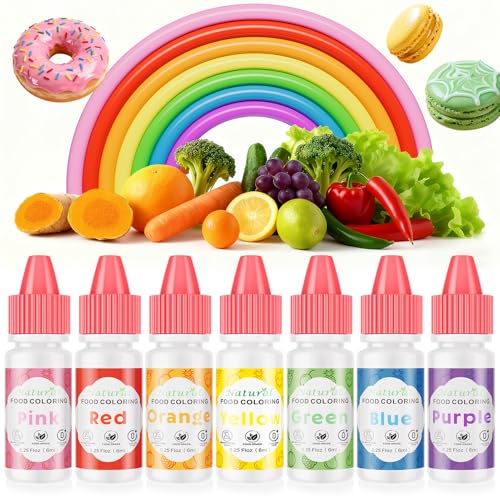
Best for: Creative bakers and kids who want a broad palette from trusted natural sources. The seven-color set provides a complete foundation for painting eggs, cookies, and frosting with natural hues.
Why selected: This kit emphasizes a natural formula that avoids FD&C and artificial dyes, delivering predictable, vibrant shades suitable for both Easter eggs and everyday baking projects.
Limitations: While durable for many uses, color intensity can vary with different base recipes; testing colors on a small batch is recommended before large projects.
PAAS Deluxe Easter Egg Decorating Kit

Best for: Traditional Easter activities where ease and variety matter. This kit includes nine dye colors, as well as a PAAS Magic Crayon for custom designs, plus accessories for decorating.
Why selected: The kit is designed for straightforward, varied decorating; it suits households that want a complete package with ready-to-use components and kid-friendly elements.
Limitations: Some users may prefer more natural dye options; this kit centers on conventional dyes and included accessories, which may not align with strict natural color preferences.
COLMIUX Natural Food Coloring Set (8 Colors)

Best for: Home bakers who want a broad, FD&C dye-free color range with heat stability for baking and decorating. The eight colors cover common needs from frosting to fondant and Easter eggs.
Why selected: The eight-color selection provides versatile hues that stand up to baking heat, making it a reliable choice for both confectionery and egg decorating projects.
Limitations: Some colors may soften slightly during baking; plan on testing color intensity in a small batch before full recipes.
Buying Guide
- What’s your primary use? If you’re decorating eggs with kids, look for non-toxic, easy-to-use kits that don’t require boiling. For baking and cookies, prefer heat-stable and FD&C-free colors.
- Natural vs. artificial dyes. Natural or natural-style sets avoid synthetic dyes, appealing to families seeking cleaner ingredients. Some options blend both approaches; verify ingredient lists.
- Color range and mixability. A larger color palette offers more shading opportunities. Check whether colors are easily mixable to create custom hues, especially for spring themes.
- Safety and origin. Kits made in the USA and labeled non-toxic align with stringent safety standards and ease of use around children.
- Compatibility with different media. If you plan to use colors on frosting, fondant, or slime, ensure the formula is food-grade and holds up under moisture or heat.
FAQ
- Are natural egg dyes safe for kids? Yes, plant-based and FD&C-free options are designed to be non-toxic and suitable for family activities when used as directed.
- Do these dyes require vinegar or boiling? Some kits require no boiling, while others may use standard mixing methods. Check each product’s instructions for best results.
- Can these colors be used on frosting or fondant? Many color sets are food-grade and suitable for frosting, fondant, and cookies. Verify heat stability if baking.
- Will natural colors stain hands or surfaces? Natural dyes can stain skin or fabrics temporarily; use protective gloves and cover work surfaces when needed.
- Which kit is best for a small family? A kit with simple, ready-to-use steps and fewer steps (no boiling) is ideal for quick Easter activities with kids.
- Are these colors vegan-friendly? Several options emphasize vegan, plant-based formulations and sustainable packaging as part of their branding.
Add a Comment