If you need a ceramic glue that withstands high heat, select a product designed to bond pottery, porcelain, and ceramic surfaces securely while resisting heat and moisture. These options are best for homeowners repairing mugs, dishes, tiles, or decorative pieces, and for hobbyists working with pottery, ceramics, or kiln-fired items. The following picks emphasize high-temperature resistance, clarity, and fast setting to support quick, lasting repairs. This guide highlights who each product is best for and why.
| Product | Best For | Heat Resistance | Time to Set |
|---|---|---|---|
| J-B Weld High Heat Epoxy Syringe | Heavy-duty repairs on metal-ceramic pairings | Up to 550°F | 1 hour typically; cures in 24 hours |
| Stnkeno High Temperature Glue | Ovens, microwaves, and heat-prone projects | Up to 650°C (-50°C to 650°C) | Fast curing; varies by material |
| High Temperature Adhesive 2000F (Sodium Silicate) | Ceramic fiber, boards, refractories | Up to 2000°F | Liquid to solid form; long cure |
| Vigorder Ceramic Glue Repair Kit | Bathroom, kitchen, outdoor ceramic repairs | Heat- and water-resistant | 15–30 seconds initial set |
| ALECPEA 20g Ceramic Glue | Delicate porcelain and pottery restoration | Heat-resistant | 15 seconds initial set; 24 hours full cure |
J-B Weld High Heat Epoxy Syringe

Brand: J-B Weld. This two-part epoxy is designed for strong, lasting repairs up to 550°F. It mixes 1:1 to form a permanent bond with high chemical and fuel resistance. Cure times: about 1 hour at room temperature; full cure in 24 hours. It is best for repairs involving ceramic components bonded to metal or other sturdy substrates where heat exposure is expected. Use it when you need a robust, heat-tolerant bond. Caution: work in a well-ventilated area and follow safety instructions for epoxy handling.
Stnkeno High Temperature Glue

Brand: Stnkeno. This black silicone adhesive is designed for high-temperature sealing and bonding, suitable for ovens and other heat-exposed areas. It remains flexible after curing and provides strong sealing to prevent heat, moisture, and smoke leakage. Best for: oven seals, microwave gaskets, and heat-prone joints. Better for long-term sealing than brittle rigid bonds. Limitation: as a silicone sealant, it may not bond all non-porous surfaces equally; test a small area first.
High Temperature Adhesive 2000F (Sodium Silicate)
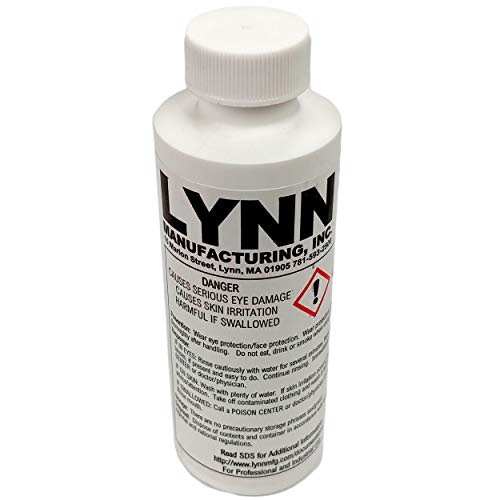
Brand: Lynn Manufacturing. This sodium silicate solution, or water glass, cures to a clear solid that tolerates up to 2000°F. It is commonly used for high-temperature ceramic fibers, boards, and other refractory applications, as well as pottery and fire protection. Best for professional-level high-temperature assembly or repair where extreme heat exposure is expected. Caution: handling requires awareness of chemical nature and proper safety practices.
Vigorder Ceramic Glue Repair Kit
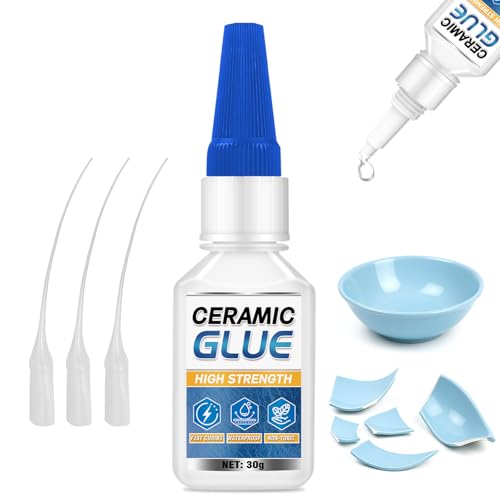
Brand: Vigorder. This 30g kit emphasizes strong adhesion for porcelain and ceramic repairs, with water resistance and heat resistance for bathrooms, kitchens, and outdoor use. It cures quickly, delivering a 15–30 second initial set and full cure within 24 hours. Best for quick, clean repairs where a discreet bond is desirable. Limitation: adhesion performance may vary with highly porous or textured surfaces; ensure proper surface prep.
ALECPEA 20g Ceramic Glue

Brand: ALECPEA. This 20g ceramic glue is engineered for porcelain and pottery, offering a clear, non-yellowing finish. It sets in 15 seconds and reaches full strength within 24 hours. Best for restoring heirloom teacups, vases, and decorative ceramics where a transparent bond is desirable. Choose this if you value speed and a discreet repair. Caution: avoid using on surfaces that require flexibility after bonding.
Buying Guide
What to consider when choosing ceramic glue for high temperatures:
- Bonding surfaces: Porcelain, ceramic, pottery, glass, or ceramic-to-metal bonds may require different formulations (epoxy vs. CA glue vs. silicone).
- Temperature exposure: Identify typical temperatures the repaired item will face to choose the correct heat rating.
- Bond clarity: For visible repairs, a crystal-clear or non-yellowing adhesive is preferred.
- Cure time: Fast initial set can help realign pieces, but full cure strengthens the joint over 24 hours or longer.
- Water exposure: Kitchens and bathrooms benefit from water-resistant or waterproof adhesives.
- Surface prep: Clean, dry surfaces yield stronger bonds; some adhesives tolerate slight moisture.
- Safety: Ventilation and protective gear for fumes or dust may be needed, especially with epoxies or silicates.
Frequently Asked Questions
- What is the best glue for high-temperature ceramic repairs? Depends on the use case; epoxies like J-B Weld High Heat are strong for metal-ceramic joints, while sodium silicate provides extreme heat resistance for refractory contexts.
- Can I use ceramic glue for dishware that touches food? Look for food-safe claims on the label; many products are formulated for non-food-contact surfaces, and some are explicitly food-safe. Always verify product details.
- How fast do these adhesives set? Initial sets range from 10–60 seconds to a few minutes, with full cures typically 24 hours. Fast-setting formulas are useful for urgent repairs but may require precise alignment.
- Are silicone-based high-temperature glues better than epoxy for ovens? Silicone sealants provide flexibility and sealing, which is helpful for gaskets and joints subject to movement, while epoxies offer rigid, high-strength bonds for structural repairs.
- Is surface preparation important? Yes. Cleaning, drying, and sometimes light roughening or isopropyl wiping improve adhesion and longevity of the bond.
- Do these products resist dishwasher use? Some are rated for dishwasher exposure; check the specific product’s water resistance and heat ratings to confirm suitability.
Add a Comment