Answering the search for paint that changes color, this guide highlights five accessible options across heat-activated, UV-activated, and color-shifting acrylic paints. These picks suit crafters, students, teachers, and hobbyists looking to add dynamic effects to shirts, shoes, art, and science demonstrations. Use the table below to compare key choices at a glance.
| Product | Activation Type | Best For | Limitations |
|---|---|---|---|
| Blue to Violet Thermochromic Paint | Body heat | T-Shirts, fabrics, kid-friendly crafts | Color change depends on temperature; repeated cycling may fade over time |
| Pink to Blue UV Photochromic Paint | UV sunlight | Outdoor art, fabric projects, school science | Requires sun exposure to activate; may fade indoors |
| Yellow to Green to Blue UV Photochromic Paint | UV sunlight | Outdoor displays, crafts, educational demos | Color sequence depends on light angle; long indoors reduces effect |
| Shuttle Art Color Change Acrylic Paint (16 Colors) | Light/angle dependent (iridescent) | Canvas, rocks, wood, fabric, crafts | Not every color shifts similarly; best on dark/light backgrounds |
| Rust-Oleum Color Shift Blue Cosmos Spray Paint | Light angle and viewing distance; metallic shift | Metal, wood, plastic coatings with spray finish | Spray format may require ventilation and safety precautions |
Blue to Violet Thermochromic Fabric Paint

Brand: Color Changing Deals. Features include color changes with body heat at 82°F (28°C), reversible transitions, and pre-mixed readiness for use with a paintbrush. Best for crafters making heat-responsive textiles, wearable art, and science projects. Limitation: color shift depends on temperature exposure and may show gradual changes with repeated cycling.
Pink to Blue UV Photochromic Paint

Brand: Color Changing Deals. Activation via sun exposure; non-toxic and odorless; pre-mixed and highly pigmented for fabric, leather, paper, and more. Ideal for outdoor art, school projects, and parties. Caution: results rely on UV exposure; indoors may stay in the base color unless lit by UV light.
Yellow to Green to Blue UV Photochromic Paint

Brand: Color Changing Deals. Activation via UV exposure; non-toxic, odorless, and pre-mixed for easy use on fabrics and hard surfaces. Best for educational demonstrations and creative outdoor projects. Limitation: outdoor activation is required for the color-shift effect; indoors may not show changes.
Shuttle Art Color Change Acrylic Paint (16 Colors)

Brand: Shuttle Art. Contains 16 iridescent color-shifting paints, 60 ml each; creamy, pigmented, and suited for brushes, stamping, stenciling, or screen printing. Best for artists and students seeking vibrant, shift-ready acrylics on multiple surfaces. Caution: Iridescent effects vary with light direction; performance differs across backgrounds.
Shuttle Art Color Change Acrylic Paint (20 Colors)

Brand: Shuttle Art. Features 20 iridescent color-changing paints in 60 ml bottles; versatile for canvas, rocks, wood, fabric, and more. Great for beginners and kids, with non-toxic and acid-free formulation. Limitation: color shift intensity depends on lighting and viewing angles.
Rust-Oleum Color Shift Blue Cosmos Spray Paint
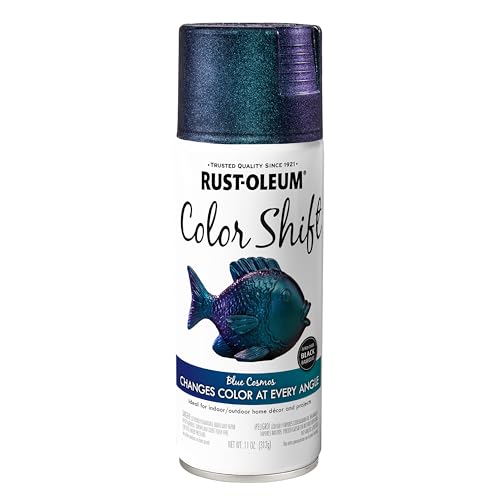
Brand: Rust-Oleum. Spray-on color-shifting finish that shifts with light and angle on wood, metal, and plastic. Best for DIY projects and decorative coatings, especially where a dramatic, shifting look is desired. Limitation: spray cans require proper ventilation, safety precautions, and may not be ideal for small items due to spray pattern.
Buying Guide
How do you choose the right color-changing paint?
- Activation method: Select heat-activated for fabrics and wearables or UV/photochromic for sun-exposed projects.
- Surface compatibility: Confirm if the paint is designed for fabric, wood, metal, or plastic to ensure durability.
- Finish and opacity: Iridescent colors offer different shifts; opaque paints may require base coats.
- Safety and cure: Check non-toxic ratings and drying times; consider indoor use restrictions.
- Application method: Decide between brushes, sponges, stamping, or spray for your project.
- Longevity of effect: Some shifts fade with time or repeated cycling; plan for recourse if needed.
Frequently Asked Questions
- What activates thermochromic paint? Body heat or temperature changes around the surface.
- Can UV color-changing paints work indoors? They require UV light to activate; indoors with sun lamps or UV sources may help.
- Are color-changing paints safe for kids? Most listed options are non-toxic or safe for classroom use; always supervise children.
- Do all color-changing paints require a sealant? Some may benefit from a clear sealant to protect the finish; follow product guidance.
- Can these paints be mixed with standard acrylics? In many cases yes, but check compatibility and drying times to avoid color bleed.
- Which option is best for beginners? Color-changing acrylic sets from Shuttle Art offer user-friendly application and multiple colors.
Add a Comment