Find the best purple and green yarn options for your next project. These picks are suited for beginners and experienced hobbyists alike, covering ombré, multicolor, and cotton blends. Each product is selected for color range, fiber versatility, and ease of care.
| Product | Fiber Type & Use | Best For |
|---|---|---|
| Caron Simply Soft Ombre Yarn for Crocheting, Grape Purple Ombre, 3-Pack | 100% acrylic; machine washable; worsted weight | Colorful blankets, amigurumi, and accessories |
| Caron Simply Soft Paints Yarn (4) Medium Worsted Gauge 100% Acrylic – Oceana | 100% acrylic; machine washable; worsted weight | Gradient projects and garments with painterly color shifts |
| Blue, Green, Purple, Black + Anatolia Wool Acrylic Blend DK Weight Yarn | Wool-Acrylic blend; DK weight | Chic colorways with a woolly feel for accessories |
The top products are chosen to cover a range of styles—from soft acrylic ombrés to wool blends—so you can pick the best option for the look you want and the care you need. Use this guide to compare color transitions, fiber feel, and project suitability at a glance.
Caron Simply Soft Ombre Yarn for Crocheting

Best for projects needing a smooth, drapey finish with rich purple hues. The 100% acrylic yarn is easy to care for and suitable for knitting, crocheting, amigurumi, and various crafts. The ombre gradient adds depth without needing color changes, ideal for blankets and sweaters. Caution: remove snags carefully as a light color can show pilling over time.
Caron Simply Soft Paints Yarn Oceana

Chosen for projects needing painterly color shifts with a soft finish. This 100% acrylic yarn is machine washable and suitable for garments and decor. The Paints line provides variation within color blocks, great for gradient throws or color-blocked accessories. Limitation: gauge can vary slightly between batches, so swatching is advised.
Ice Yarns Anatolia Wool Acrylic Blend DK Weight

Best for a balance of warmth and softness with a subtle sheen. This 35% wool, 65% acrylic blend provides warmth without being heavy, with a 125 meter length per ball. Suitable for lightweight sweaters, shawls, and color-rich accessories. Caution: wool content may require gentle hand washing to preserve color and texture.
Lion Brand Mandala Ombré Yarn, Harmony Blue Multicolor

Selected for smooth, even color transitions across larger projects. The medium weight worsted yarn is ideal for blankets, cardigans, and accessories, with a soft sheen to enhance the gradient. Best for projects that benefit from a consistent rib and stitch definition. Limitation: color repeats may vary slightly between lots, so plan accordingly.
Ombre Yarn for Crocheting Purple Gradient Cake Yarn

Best for creating nature-inspired scenes with dynamic color shifts. This ombre yarn includes multiple yarns with color transitions and comes with ergonomic crochet hooks. The blend emphasizes smooth gradient changes, suitable for blankets and artwork. Caution: included hooks are sized for steady projects; adjust hook size if you notice tight stitches.
JOYTAG Rainbow Beginner Crochet Yarn (Green, Blue, Purple)
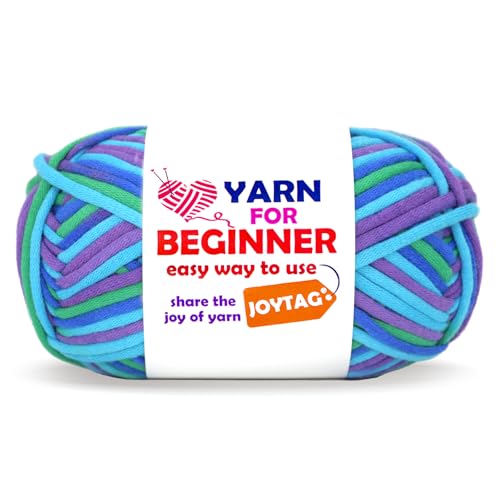
Best for beginners and practice projects needing clear stitch visibility. A cotton-nylon blend provides softness and durability for learning stitches. The multicolor sections help beginners see color changes clearly. Better for small swatches and simple blankets. Caution: blend is less forgiving on very delicate skin; consider lining or garment layering for sensitive wearers.
Buying Guide
What should I consider when choosing purple and green yarn?
Fiber type matters for feel and care. Acrylic yarns are easy to wash and durable, while wool blends add warmth and drape. Consider your project’s weight—worsted, DK, or light yarns change gauge and finished size. Color transitions (ombre vs. multicolor) affect how you layout your pattern.
Which yarn is best for beginners?
Yarns labeled as beginner-friendly typically have smooth texture, minimal splitting, and clear stitch definition. Cotton-nylon blends and soft acrylics without textured fibers help new crocheters see stitches clearly and avoid snagging.
How important is care and washing?
Machine-washable yarns simplify maintenance for blankets and garments. If a yarn contains wool, check washing instructions to preserve color and texture. Heavy-use items should prioritize durability and colorfastness.
What about color options and project planning?
Ombré and gradient yarns excel for large surfaces like blankets and shawls, reducing the need to switch colors. Multicolor yarns add interest to simple stitches. Plan swatches to confirm gauge and how the color changes will appear in your final piece.
How do I match yarn to a pattern?
Compare gauge, weight, and fiber content to the pattern requirements. If you cannot match exact weight, choose a similar alternative and adjust stitching to maintain fabric density. Always swatch before starting a project.
How should I store yarn?
Store away from direct sunlight to prevent color fading. Keep skeins in labeled containers to avoid tangling and mix-ups between color families. Proper storage helps maintain texture and color integrity over time.
Quick FAQ
- Q: Is ombre yarn suitable for beginners?
- A: Yes, ombre yarns can be beginner-friendly when they are smooth and easy to work with, but swatching helps confirm texture and gauge.
- Q: Are wool blends better for warmth?
- A: Wool blends add warmth and loft, but consider care needs and potential itchiness for wearables.
- Q: Which yarn is best for blankets?
- A: Medium-weight worsted yarns with good stitch definition and color stability are ideal for blankets.
- Q: How many skeins should I buy?
- A: Estimate project size, gauge, and pattern color changes. Add extra for errors and future repairs.
- Q: Can I substitute yarns in a pattern?
- A: Yes, but ensure the replacement has similar weight, gauge, and fiber properties to preserve drape and look.
Add a Comment