When shopping for baby quilt panels, look for panels that are easy to sew, age-appropriate designs, and colors that coordinate with nursery themes. This guide highlights five panels that are well-suited for baby quilts, nursery decor, and handmade gifts. The selections emphasize lovable animals, gentle colors, and durable cotton fabrics, making them ideal for beginners through intermediate sewists. Read on to compare panel size, print quality, and best-use scenarios to decide which panel fits your project best.
Buyer profiles at a glance:
– Best for diverse safari and woodland themes: UNIQUE Safari Animals Fabric Panels Set of 6
– Best for a bold focal point in a crib quilt: UNIQUE Lion Fabric Panel 29×39 in
– Best for denim-tone, boy-leaning designs: Susybee Denim Barnyard Blues 36in Quilt Panel
– Best for dreamy nursery centers: UNIQUE Teddy Bear Fabric Panel 19x25in
– Best for woodland storytelling scenes: UNIQUE Woodland Animals Fabric Panel 19x25in
| Product | Theme | Panel Size |
|---|---|---|
| UNIQUE Safari Animals Fabric Panels Set of 6 | Safari animals | 12x12in per block |
| UNIQUE Lion Fabric Panel 29×39 in | Crib-friendly lion panel | 29×39 inches |
| Susybee Denim Barnyard Blues 36in Quilt Panel | Denim blues, barnyard | 36×44 inches |
| UNIQUE Teddy Bear Fabric Panel 19x25in | Teddy bear on moon | 19×25 inches |
| UNIQUE Woodland Animals Fabric Panel 19x25in | Woodland animals | 19×25 inches |
UNIQUE Safari Animals Fabric Panels Set of 6
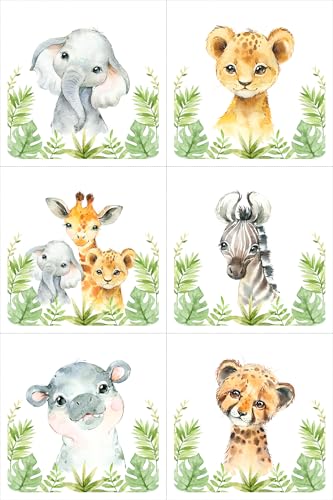
These six panels feature distinct watercolor-style safari animals, including elephant, lion, giraffe, zebra, hippo, and cheetah. The designs come with extra fabric around each motif for seam allowances, making them well-suited for single-panel quilts or mixed blocks. Best for: parents seeking a cohesive safari-themed baby quilt that remains vibrant after multiple washes. Limitation: individual squares are 12×12 inches, so plan layout accordingly for larger quilts.
UNIQUE Lion Fabric Panel 29×39 in

This 29×39 inch lion panel in 100% cotton sateen offers a premium feel with a soft drape. It’s ideal as a bold centerpiece for crib quilts or as a wall hanging in a nursery. Best for: quilters who want a statement panel with a smooth hand and colorfast print. Limitation: sizes may vary by up to 0.5 inches, so check final quilt dimensions carefully.
Susybee Denim Barnyard Blues Quilt Panel

From the Susybee line, this 36×44 inch denim-blue quilt panel is lightweight, easy to sew, and versatile for quilts and crafts. Best for: crafters who prefer a soft hand with a neutral pediatric color palette that pairs well with coordinating fabrics. Caution: Not pre-quilted, so you’ll need to add batting and backing separately when creating a quilt.
UNIQUE Teddy Bear Fabric Panel 19×25

This 19×25 inch panel features a sleeping teddy bear on a moon with pastel balloons and flowers. Best for: creating a nursery focal point or a small crib quilt. Limitation: smaller panel size may require multiple panels or borders to reach larger quilt dimensions.
UNIQUE Woodland Animals Fabric Panel

This 19×25 inch panel showcases a cheerful woodland animal scene, including deer, fox, bunny, squirrel, and more, surrounded by flowers and forest greenery. Best for: a storybook-inspired nursery quilt. Limitation: standard 19×25 inch panel size may require additional blocks for larger finished quilts.
Buying Guide: Key Considerations For Choosing Baby Quilt Panels
What panel size fits your project?
Panel size determines how many blocks you’ll need to add for a full quilt. Smaller panels (like 12×12 inches blocks) are versatile for mix-and-match layouts, while larger panels (29×39 inches) create instant focal points with fewer pieces.
What fabric type matters?
Cotton quilting weight and cotton sateen fabrics are common. Cotton offers easy handling and durability, while sateen provides a smoother drape and a softer hand. Consider care requirements and wash durability when selecting fabric type.
Are the panels pre-quilted or need backing?
Some panels come as ready-to-sew quilt blocks, while others are not pre-quilted. Not pre-quilted panels require you to add batting and backing, which influences project time and complexity.
How important are color and theme alignment?
Choose designs that align with the nursery theme or color palette. Neutral grays, blues, or pastels pair well with many decorating schemes and can be accented with solid fabrics or coordinating prints.
What is the best way to join multiple panels?
Plan a layout that accounts for seam allowances. Some panels provide extra fabric around motifs for easy seaming. Consider borders, sashing, and corner motifs to unify the finished quilt.
Care and durability considerations
Look for colorfast, reactive dye prints that resist fading after multiple washes. Durable fabrics help ensure the quilt remains vibrant and reduces pilling over time.
FAQ: Quick Answers For Buyers
- What is a good panel size for a baby quilt? You can start with 29×39 inch panels for a single-panel centerpiece or combine smaller blocks (like 12×12 inch panels) for a larger, multi-block quilt.
- Are these panels suitable for beginners? Yes. Panels with clear seam allowances and simple motifs are beginner-friendly, especially when you add borders or simple sashing.
- Should I choose cotton sateen or regular cotton? Cotton sateen has a smoother drape and a luxe feel, while regular quilting cotton is more forgiving and traditionally sturdy for quilts.
- Do these panels require backing or batting? Most panels should be backed and quilted. Not all are pre-quilted, so check the product notes for each item.
- How many quilts can I make from a set of panels? With a set like the six safari panels, you can create multiple small quilts or a larger shared-theme project by mixing panels with coordinating fabrics.
Add a Comment