Choosing the right brush for polyurethane can dramatically affect the final look of wood projects. This guide highlights five top-performing brushes known for delivering even coats, minimal brush marks, and reliable polyurethane compatibility. Each pick below is compatible with water- and oil-based polyurethanes and offers features designed to achieve a professional, streak-free finish on furniture, cabinetry, and trim.
| Product | Brand | Key Benefit |
|---|---|---|
| Wooster 3103-2 Foam King | Wooster | Smooth no-brush marks with polyurethane foam |
| Magimate 3-Inch Double Thick Chip Brush | Magimate | Wide coverage and versatile for polyurethane and varnish |
| Wooster Q3211-2 Shortcut Angle Sash | Wooster | Maneuverable in tight spaces for precise polyurethane work |
| Wooster 5222-2 Silver Tip | Wooster | Soft feather stroke for delicate finishes |
| Wooster Q3108-2 Softip | Wooster | Soft tips for smooth, even coats with all paints and stains |
Wooster Brush 3103-2 Foam King Paintbrush
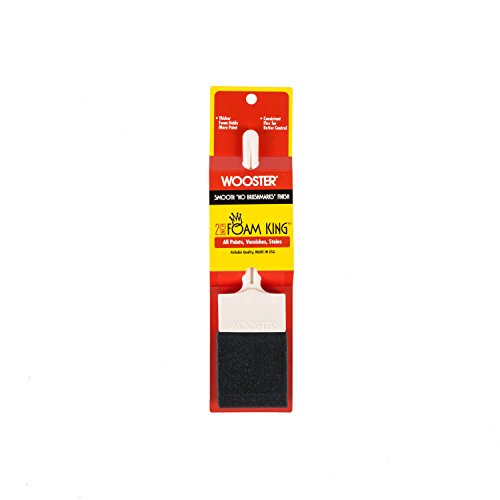
The Wooster 3103-2 Foam King uses thick polyurethane foam to minimize brush marks while applying polyurethanes, varnishes, and stains. Its white plastic handle includes a built-in stiffener blade that helps maintain consistent brush flex, resulting in neater, more uniform coats. Suitable for projects requiring a smooth, glass-like finish on wood surfaces.
Magimate 3-Inch Double Thick Chip Brush
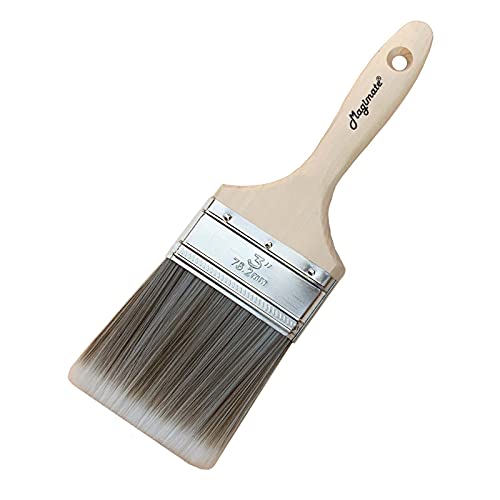
This wide 3-inch brush head delivers broad coverage, reducing application time on larger surfaces. Its double-thick chip brush design uses soft yet firm synthetic bristles, making it suitable for applying glosses, varnishes, stains, and polyurethane. Epoxy-secured bristles resist solvents, ensuring durability for frequent deck, furniture, or wall projects.
Wooster Q3211-2 Shortcut Angle Sash

Designed for tight spaces, this 2-inch angle sash brush features a flexible purple Shergrip handle and a white nylon/gold polyester blend. The short profile enhances control when applying polyurethane in corners, around trim, and along edges, while the brass-plated ferrule adds durability during extended use.
Wooster Brush 5222-2 Silver Tip

The Silver Tip line provides a very soft formulation and a feather-stroke finish, ideal for delicate polyurethanes and varnishes. The white and silver CT polyester bristles pair with a stainless steel ferrule to deliver smooth, even coats with minimal drag on fine wood surfaces.
Wooster Q3108-2 Softip Paintbrush

Softip brushes feature tips designed to produce a smooth and even finish with both latex and oil-based paints. The combination of white nylon and gold polyester bristles with a chisel trim shape and brass-plated ferrule offers reliable control and consistent results when applying polyurethane coatings on furniture and trim work.
Buying Guide: Key Purchase Considerations
- Brush material and bristle type: For polyurethane, synthetic bristles often provide better release and uniform application with both water- and oil-based products. Softer bristles reduce brush marks, while stiffer bristles help with thicker coatings or coarse surfaces.
- Brush width and coverage: Larger surfaces benefit from wider brushes (2–3 inches), reducing the number of strokes. Narrow profiles excel in edges and tight corners.
- Edge control and trim work: Angle sash and shortcut brushes improve maneuverability in corners, around trim, and along edges where straight brushes struggle.
- Durability and ferrules: Brass-plated ferrules resist corrosion, and epoxy-secured bristles prevent shedding under solvent exposure. A sturdy handle and grip reduce fatigue on longer jobs.
- Finish quality: For a smooth, no-brush-mark finish, look for brushes marketed as foam or soft-tip for polyurethane, especially on furniture and cabinetry where visibility of strokes matters.
- Maintenance: Clean brushes promptly after use with the appropriate solvent. Proper cleaning extends brush life and maintains bristle performance for future projects.
- Project type: Consider whether you’ll be finishing small furniture pieces, large panels, decks, or indoor trim. Wider brushes suit larger areas, while angled brushes are preferable for detailed areas.
When selecting a polyurethane brush, align the choice with your project scale, finish quality expectations, and working environment. The five brushes above cover a range of surfaces—from broad furniture panels to tight corners—while emphasizing smooth application, minimal brushing, and durable construction for varied polyurethane formulas.
Add a Comment