Given the variety of materials involved in foam-to-wood projects, selecting the right adhesive matters for durability and clean results. The following products are assessed for adhesion strength, setting time, versatility, and suitability for both interior and light exterior use. This guide presents five top options with objective specs to help you choose the best fit for your project.
| Product | |||
|---|---|---|---|
| 3M Super 77 | 3M | Multipurpose Spray Adhesive | Fast tack and broad material compatibility |
| Loctite Power Grab Express | Loctite | Construction Adhesive | Instant grab with high initial tack |
| Beacon 3-in-1 Advanced Craft Glue | Beacon | Craft Glue | Crystal-clear, fast-drying, versatile |
| 3M Hi-Strength 94 ET | 3M | Spray Adhesive | Low VOC, longer open time, strong bond |
| WEICON Adhesive Spray | WEICON | Multipurpose Adhesive Spray | Strong bonding on foam, wood, and fabric |
Choosing the right adhesive depends on whether you need a fast-tacking bond, a strong structural hold, or a clear, paint-ready finish. The following sections highlight five products most relevant for foam-to-wood projects, examining how their features translate to real-world results. Each product is described with respect to bond types, open time, and suitability for foam and wood substrates.
3M Super 77 Multipurpose Adhesive
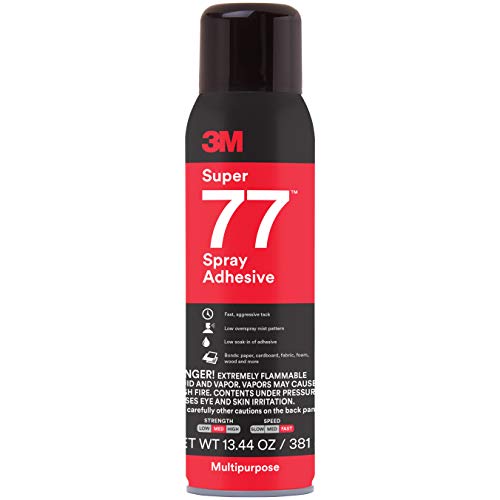
3M Super 77 is a versatile spray adhesive designed for a broad range of lightweight materials including foam, paper, fabric, and wood. It provides industrial-grade performance with a strong initial tack that speeds up set time, making it suitable for foam-to-wood assemblies where quick bonding is beneficial. The spray format allows even application across large surfaces, although care is needed to avoid overspray on exposed foam. This product excels in quick, temporary to semi-permanent bonds and is widely used for crafts, mounting, and quick fixtures. It is compatible with many interior projects, and it’s particularly effective for foam board to wood laminations where a clean appearance matters.
Features to note: versatile material compatibility; aggressive tack; strong bond for lightweight substrates; spray-on convenience. For foam, test a small area first to gauge any potential texture changes. The adhesive dries clear on many substrates and can be repositioned briefly before curing. It is not ideal for heavy structural loads or high-temperature environments, but it performs well for craft and display applications where foam and wood join.
Loctite Power Grab Express Heavy Duty
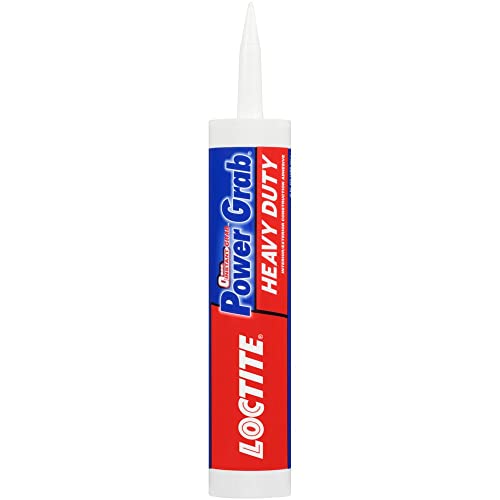
Loctite Power Grab Express Heavy Duty Construction Adhesive offers a high initial tack that provides near-zero-second grabbing, reducing the need for nails or screws in foam-to-wood assemblies where exposure to movement is limited. This interior/exterior-friendly adhesive dries white and can be painted for a professional finish, which helps when aligning edges between foam and wood. It bonds a wide range of construction materials, including wood, drywall, ceramic, concrete, and foamboard. The heavy-duty formula is designed for applications that require a robust bond and some resistance to vibrations or lightweight structural loads, making it a solid choice for mounting foam sheets to wooden frames or paneling in workshops and display projects.
Considerations: not ideal for high-heat environments; cure times are longer than instant-grab variants, but the paintable finish improves finishing options. It’s well-suited for projects where a strong, durable bond is needed without mechanical fasteners and where both interior and sheltered exterior exposure is expected.
Beacon 3-in-1 Advanced Craft Glue

Beacon 3-in-1 Advanced Craft Glue is designed for crafting versatility, delivering crystal clarity, instant grabbing, and fast drying. Its multi-application formula makes it suitable for wood, ceramics, fabrics, and other craft materials, which includes foam components used in decorative wood projects. The glue dries clear, is water-resistant, and is designed not to wrinkle paper, making it ideal for foam-to-wood displays, photo boards, and lightweight decorative assemblies. It dries quickly and provides a clean finish, which is helpful when foam edges need to be concealed beneath wood trim or veneer.
Notes: while excellent for craft projects, check the adhesion strength when subjected to heavier loads or bending stresses. The product’s adhesive properties support quick prototyping and finished pieces where a tidy, clear bond matters more than maximum strength.
3M Hi-Strength 94 ET

3M Hi-Strength 94 ET is a high-strength spray adhesive with low VOC and GREENGUARD certification, designed for woodworking and large surface laminations. It offers a longer open time and stronger tack than many comparable adhesives, making it suitable for foam-to-wood laminations, as well as bonding foam to wood panels in cabinetry or display fixtures. The spray format enables even coverage on wide surfaces, which helps minimize uneven edges on foam pieces that need to lay flush against wood backing. The product is appropriate for projects requiring a robust, durable bond while meeting indoor air quality considerations.
Limitations: while strong, it may require proper storage and ventilation during use. It is not a substitute for structural fasteners in load-bearing applications, but it provides a solid bond for foam and wood in craft, cabinetry, and durable displays.
WEICON Adhesive Spray

WEICON Adhesive Spray is a heavy-duty multipurpose spray suitable for bonding foam, fabric, wood, metal, and many other materials. It provides a balance of open time and strong final bonds, featuring a flexible spray pattern and a coating that can address uneven or rough surfaces. The product is positioned for industrial, model-making, upholstery, and household projects where reliable, semi-permanent bonding is required. Its versatility across foam and wood makes it a practical option for foam-to-wood assemblies that demand both strength and alignable styling.
Practical notes: test on a small area to assess surface reaction, and ensure adequate ventilation due to spray usability. For foam, avoid soaking overly saturated applications that could deform the foam substrate, and tailor spray distance to maintain edge integrity.
Buying Guide: Key Purchase Considerations
- Bond strength vs. set time: For lightweight foam-to-wood assemblies, prioritize products offering quick tack with reliable adhesion (e.g., spray adhesives with strong initial grab) while ensuring the bond remains durable over time.
- Foam compatibility: Verify that the adhesive does not warp or dissolve foam substrates. Some foams are sensitive to solvents, so consider water-based or low-solvent formulas when foam integrity matters.
- Finish and appearance: If edges will be visible, choose clear-drying or paintable adhesives. Crystal-clear glues minimize visible residue on foam and wood joints.
- Open time and repositioning: For alignment-heavy projects, an adhesive with a longer open time helps you adjust pieces before final setting.
- Durability and environment: Consider whether indoor-only use suffices or if exterior exposure or temperature variation is expected. Some adhesives are paintable and water-resistant, broadening application contexts.
- Application method: Sprays are great for large surfaces or quick setups; glues with squeeze bottles provide controlled application for precise joints.
- Safety and ventilation: Follow product labels for ventilation requirements, particularly with solvent-based sprays. Use protective gear if recommended.
- Longevity vs. removability: If a temporary bond is desired, select adhesives marketed for easy removal. For long-lasting fixtures, ensure the bond is designed for the substrate combination.
- Compatibility with wood types: Some woods (soft vs. hard) may affect adhesion strength. Consider a product that handles a variety of woods without media swelling or edge bleeding.
In sum, the five highlighted products provide balanced options for foam-to-wood projects, ranging from fast-tack spray adhesives ideal for quick assemblies to craft glues offering clear finishes and wide applicability. When selecting, align your choice with substrate sensitivity, desired finish, and the project’s exposure conditions to achieve the best results.
Add a Comment