Whether you’re a hobbyist, student, or professional sculptor, choosing the right clay is crucial for achieving lifelike figures. This guide highlights five highly regarded options, balancing workability, durability, and accessibility. Each product section includes practical details drawn from listed features and typical use cases, helping you compare textures, curing methods, and tool compatibility for figure sculpture. The goal is to provide objective, buyer-friendly information to support confident decisions for American viewers who create at home or in classrooms.
Product Summary
- Crayola Air Dry Clay (5lbs) — Natural White; ideal for classrooms and beginners; air dries to a light, workable finish.
- Amrules Clay Tools Kit — 27 pieces; versatile sculpting tools for precise detailing, carving, and shaping.
- ReArt Natural Air-Dry Modeling Clay — 10 lbs; kaolin-based clay with an all-purpose tool set for modeling and carving.
- Epoxy Clay, Magic Epoxy Sculpt Clay — 1 lb; two-part epoxy with strong adhesion and durability for professional repairs and detailed work.
- Luney Clay Tools Kit — 25 pieces; comprehensive set for various sculpting tasks on multiple clays, including air-dry and polymer varieties.
Crayola Air Dry Clay: 5 Lbs For Classroom Projects

Crayola’s air-dry clay is a staple for classrooms and beginners, offering a large 5-pound quantity in a resealable bucket. The material accepts traditional sculpture techniques—coil, slab, pinch, and score-and-weld—making it approachable for students and hobbyists alike. When water is added, the clay becomes softer and easier to shape, which helps sculptors achieve smooth curves and precise forms. The natural white color provides a clean base for painting and finishing after drying. This option is particularly attractive for educators seeking bulk, low-cost supplies for group projects and self-guided art activities.
From a practical standpoint, working with Crayola air-dry clay enables quick iterations: you can model, dry, and refine in short sessions without kilns or ovens. The material’s air-dry nature reduces complexity for learners who want immediate results. However, finishing might require sanding or light sealing to reduce dust and improve paint adhesion. Its bulk packaging supports larger projects and classroom demonstrations, while its familiar brand and safety profile appeal to parents and teachers prioritizing child-friendly materials.
In terms of limitations, the finish can be less durable than polymer clays or epoxy clays when subjected to heavy handling. For display models or durable figures, you may consider sealing or combining with stronger mediums after initial sculpting. The 5-pound size is ideal for repeated project sessions but may pose storage considerations for smaller spaces. Overall, Crayola air-dry clay offers a reliable blend of ease, accessibility, and versatility for figure sculpting in educational settings and home studios.
Amrules 27-Piece Clay Tools Kit

The Amrules Clay Tools Kit provides a well-rounded selection of implements essential for detailed sculpting. The set comprises 27 tools crafted from a mix of wood, stainless steel, and plastic, with sturdy construction designed to resist damage during carving, texturing, and shaping. Each tool features a distinct design—engraving, shaping, poking, and texture creation—so creators can produce varied surface effects on clay figures. The ergonomic handles offer comfortable grip, enabling longer sessions without fatigue. This kit is particularly valuable for artists working with polymer and air-dry clays who need reliable instruments for fine lines, patterns, and intricate anatomy.
Versatility is a strong point: tools support a spectrum of tasks—from precise dotting and edges to relief carving and smoothing. The materials balance durability with affordability, making them suitable for students and hobbyists who want a professional-feeling toolset without a hefty price tag. However, individual tool quality can vary, and some users may prefer to upgrade specific pieces after getting a sense of their preferred textures and techniques. Overall, the Amrules kit is a practical backbone for detailed figure sculpting projects and classroom demonstrations where multiple students share tools.
Tip: pair this kit with a base clay like air-dry options or epoxy clay for repairs and updates to sculpted figures. Clean tools after use to preserve edge sharpness and prevent rust on metal components. The kit’s broad range of tools supports a wide variety of finishes, from smooth surfaces to rugged textures that mimic natural materials in figures.
ReArt Natural Air-Dry Modeling Clay (10 Lbs)

ReArt’s natural air-dry clay comes in a substantial 10-pound quantity, offering porcelain-kaolin-based material that yields fine texture and smooth healing surfaces. The included 40-piece pottery tools set addresses carving, modeling, cutting, scraping, and smoothing tasks, ensuring sculptors have a broad toolkit for figure creation. The non-toxic and odorless composition enhances suitability for home studios and classrooms, especially when safety is a priority for younger artists or sensitive environments. The gray color introduces a mid-tone base that can simplify shading and initial sculpting before finishing paints or glazes.
Performance-wise, kaolin-based clays typically hold details well and air-dry with minimal distortion when adequately supported during drying. The tool set supports a comprehensive range of operations required to craft nuanced figure anatomy—from facial features to clothing folds. Potential downsides include longer drying times and the need for sealing or finishing to improve paint adhesion or durability for display pieces. Overall, ReArt’s package provides a robust all-in-one option for learners and creators seeking a durable, finish-ready base after air-drying an entire figure.
For best results, work in a well-ventilated space, use a moisture-consistent environment to minimize cracking, and plan for multiple sessions to build complex figures with recurring drying periods between layers. The included tools can help you refine tiny details like eyes, fingers, and fabric creases to achieve more lifelike sculptures.
I Cant Believe I’m Sculpting Clay Figures (Leisure Arts)

This title from Leisure Arts offers a practical guide aimed at improving figure sculpting through accessible techniques and projects. While not a clay product on its own, it serves as a supplementary resource for learners who want structured instruction, step-by-step projects, and inspiration. The book’s packaging notes basic dimensions, which may help readers gauge its suitability for classroom use or personal study. Readers can leverage the guidance to plan projects, sequence steps, and refine the anatomical aspects of clay figures using methods that align with common sculpting practices.
For teachers and hobbyists, pairing this book with appropriate clays—such as air-dry options or epoxy clays—can create a cohesive learning path from concept to display. It’s especially useful for newcomers seeking to understand proportions, posing, and surface detailing before committing to more advanced materials. As a learning aid, the book complements practical tool kits and clay selections, enabling a more holistic approach to figure sculpture.
Creating Lifelike Figures in Polymer Clay

This book offers techniques and insights for sculpting realistic figures using polymer clay. The listing notes the book is in good condition, indicating it’s a used copy, which can be a practical option for budget-conscious buyers who want a credible, technique-focused resource. Polymer clay is known for its durability and detail retention when baked, making it a strong choice for display sculptures and collectible figures. Readers can expect guidance on sculpting anatomy, proportion, posing, and finishing, along with technique-specific tips for achieving lifelike skin tones and textures.
When selecting polymer clay, consider bake temperature, curing time, and compatibility with sealants and paints. Some figures benefit from a clear gloss or matte finish to protect surface details over time. This book complements hands-on practice with a physical toolkit, helping users translate theory into tangible results. It’s particularly useful for artists seeking to advance from basic shapes to convincing, museum-quality figurines in polymer clay given its ease of curing and broad color range.
Epoxy Clay: Magic Epoxy Sculpt Clay

Epoxy clay, such as Magic Epoxy Sculpt Clay, is a two-part modeling compound that cures to a durable, rigid material. The product promises strong adhesion, making it suitable for repairs as well as sculpting, modeling, and intricate detailing. Once cured, epoxy clay tolerates sanding, drilling, and painting, which broadens its application beyond simple figure sculpture to include repairs and mixed-media pieces. The material’s resistance to heat and moisture further reinforces its suitability for long-lasting display models and functional prototypes.
Key advantages include exceptional durability, the ability to bond with a variety of substrates (plastic, ceramic, wood, glass, etc.), and the opportunity to achieve high-detail finishes. Potential drawbacks include the need for proper mixing ratios, longer curing times, and some users’ preference for solvent-based or oil-based finishes depending on their paint systems. Epoxy clay is a strong choice when you need the figure to endure handling, display, or functional use. It pairs well with air-dry clays for initial form-building before final detailing with epoxy material.
Luney 25-Piece Clay Tools Kit
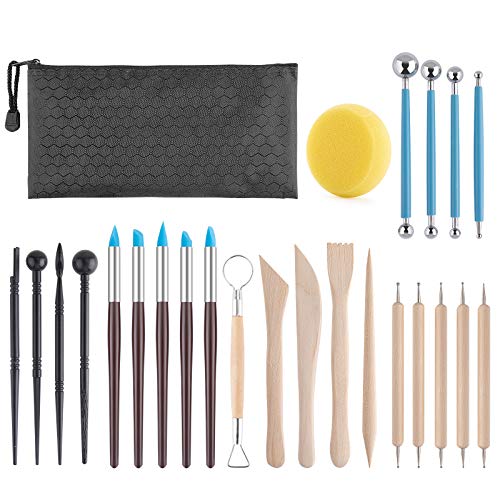
The Luney Clay Tools Kit provides 25 essential tools designed to support a wide range of sculpting tasks, including air-dry and polymer clays. The set emphasizes a balance of metal heads, wooden handles, and plastic components, focusing on durability and versatility for beginners and experienced artists alike. Tools include options suitable for dotting, carving, shaping, and smoothing, enabling users to achieve detailed textures and precise anatomical features. This kit is a practical companion to a comprehensive clay setup, helping artists experiment with different surface finishes and patterns across multiple projects.
Possible considerations include ensuring tool compatibility with your chosen clay (some tools are better suited for soft clays, while others excel in harder epoxies). As with all tool kits, care and cleaning after sessions will preserve sharp edges and long-term performance. The Luney set is a strong overall choice for artists who want a complete toolkit that can accompany various clay types across diverse figure-making projects.
Buying Guide: Key Considerations For Clay Sculpting Figures
- Clay Type and Finish: Air-dry clays are beginner-friendly and convenient for quick projects; polymer clays cure with heat for durable figures; epoxy clays offer superior strength and detail but require precise mixing and longer working times.
- Detailing And Tooling: A diverse tool kit with digging, texture-creating, and shaping tools helps reproduce lifelike anatomy, skin textures, and fabric folds. Ergonomics and tool material impact comfort and longevity.
- Drying And Curing Behavior: Consider drying times, cracking risks, and whether you need a sealant or paint to achieve final finishes. Environmental conditions affect drying quality and stability of the sculpture.
- Durability And Placement: For display pieces, materials with higher adhesion and resistance to impact, heat, and moisture may be preferred. Epoxy clays offer strong durability for repairs and functional models.
- Safety and Usage: Non-toxic formulations are important for classroom use and home studios with children or sensitive individuals. Proper ventilation and following product guidelines are essential during curing and painting.
- Cost And Bulk Availability: Classroom use benefits from bulk quantities and bulk pricing, while hobbyists may prioritize individual-quality tools and readily accessible clays for quick projects.
- Care And Maintenance: Cleaning tools after sessions, storing clays properly to prevent drying out, and sealing finished figures to protect surfaces can extend the life of your sculptures.
In summary, the best clay for sculpting figures depends on your goals: beginners benefitting from ease and quick results may favor air-dry clays, while artists seeking lasting, highly detailed pieces might lean toward polymer or epoxy clays. A balanced kit—comprising a reliable clay option plus a versatile set of sculpting tools—offers the most flexibility for producing realistic figures across a range of styles and settings.
Add a Comment