Color wheels help quilters plan cohesive palettes, harmonize fabrics, and audition combinations before stitching. This guide highlights five top color wheels that align with quilting needs, offering clear color relationships, practical layouts, and beginner-friendly features. Explore options ranging from traditional wheel templates to dual-sided guides that support both theory and real-world fabric choices.
| Product | Brand | Key Features |
|---|---|---|
| Dritz 3169 Rainbow Color Wheel Selector | Dritz | Color coordination, arrows for matching, simple instructions |
| Cox Color Wheel | Winsor & Newton | Compact 9.25″ wheel, color selectors/evaluators, lightweight |
| C&T Publishing Color Wheel Companion | C&T Publishing | 24 color wedges, numbered, slotted for easy auditions, tints & shades |
| Cox 3389 Creative Color Wheel | Color Wheel | 9.25″ wheel, craft and arts focus, United States manufactured |
| Outus Color Wheel Duo | Outus | Two wheels, front/back designs, color relationships with grayscale and triads |
Dritz 3169 Rainbow Color Wheel Selector

The Dritz Rainbow Color Wheel Selector provides a beginner-friendly approach for quilters seeking a straightforward color match system. It emphasizes coordinating colors for bold or subtle projects, with arrows that guide you to reliable pairings. Its easy-to-follow instructions help users quickly audition hues and build balanced palettes for quilts featuring high-contrast or tonal fabrics. This wheel is a practical addition for sewists who want quick, repeatable color decisions during fabric selection and layout planning.
Cox Color Wheel-9.25-inch

Posing as a compact color evaluation tool, the Cox Color Wheel combines portability with useful color selection features. With a 9.25-inch diameter, it keeps quilting projects within reach while offering a simple, intuitive layout that helps quilters identify compatible color families. The wheel’s core utility lies in providing quick reference points for matching fabrics, whether you’re planning a scrappy sampler or a coordinated bed quilt. It is light enough for on-the-go use in guild meetings or craft fairs.
C&T Publishing Color Wheel Companion

The C&T Publishing Color Wheel Companion stands out for quilters who want a structured approach to color planning. With 24 color wedges, each numbered and color-coded for tints and shades on one side, it supports precise color auditions and range exploration. The wheel’s slotting feature makes it easy to test combinations against fabric swatches, while its durable construction ensures it remains a repeatable reference across multiple projects. This is especially useful for quilters focused on narrative or themed color stories.
Cox 3389 Creative Color Wheel

The Cox 3389 Creative Color Wheel emphasizes a crafts-focused approach with a 9.25-inch format suitable for quilting studios. Its design prioritizes easy color auditions and quick reference points for choosing harmonious color families, including complementary and analogous schemes. Made in the United States, it supports domestic craft workflows and provides a reliable, no-nonsense tool for quilters aiming to streamline color decisions during layout and pattern assembly.
Outus Color Wheel Duo
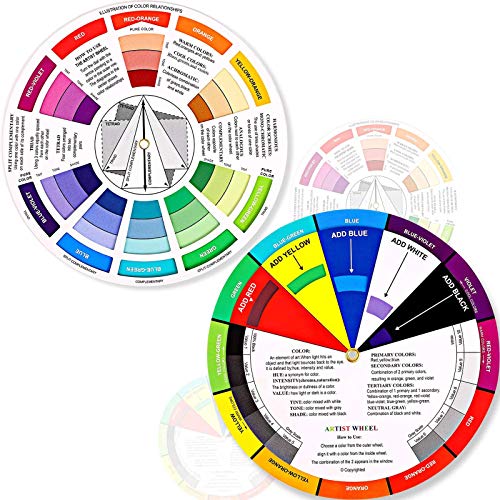
Outus offers a versatile color wheel duo designed to show relationships between colors with a practical, hands-on approach. The pair provides two wheels with different front/back designs to illustrate color theory principles, including grayscale references, triads, and color terms. This dual-wheel setup is ideal for visual learners who benefit from comparing multiple color strategies side by side, a common need when planning complex quilt palettes or exploring color narratives.
Buying Guide
- Wheel size and portability: Choose 9–9.25 inches for easy handling on a sewing table, with lighter wheels for transport to workshops.
- Number of color wedges and options: More wedges support nuanced palettes (tints, shades, and tones) but can be bulkier; consider your project scale.
- Front vs. back designs: Dual-sided wheels or back shows can help compare complementary schemes and grayscale relationships at a glance.
- Material quality and durability: Look for sturdy plastic or combined components to withstand repeated use with fabric and ink markers.
- Instruction clarity: Some wheels include arrow guides or audition slots—these features save time when testing color pairings.
- Integration with quilting workflows: Consider how the wheel fits into cutting, ironing, and fabric selection steps without disrupting needlework.
- Educational value: If you’re teaching color theory to beginners, choose a wheel with clearly labeled relationships and examples.
- Budget considerations: Basic wheels are economical and sufficient for simple palettes, while advanced wheels support broader explorations.
Add a Comment