Choosing the right exposure unit is essential for precise screen printing results. This guide highlights five solid options, balancing power, adjustability, and value. Each pick is designed to shorten cure times, provide even illumination, and fit common screen sizes. Use the buying guide below to compare features like wavelength, exposure time, stand design, and customization options to match your workflow.
| Product | Brand | Wavelength | Key Benefit |
|---|---|---|---|
| Dorhui 50W LED Exposure Unit | Dorhui | 395 nm | Uniform lighting, fast 3-5 min exposure |
| Caydo 2PCS 50W LED UV Light | Caydo | 395 nm | Two lights for larger frames and flexibility |
| ANGOO LED Exposure Unit | ANGOO | 395 nm | Foldable design, 1-999s timing |
| UrekaGo UV LED Exposure Unit | UrekaGo | 395 nm | Heavy-duty base, versatile stand |
| SAHUANIYE 60W Exposure Unit | SAHUANIYE | LED, 60W system | Tabletop, integrated press-support features |
The following sections offer concise, fact-based overviews of each option. Each product includes its official features and how they translate to daily screen printing tasks, from small-run emulsion work to larger frames and cyanotype projects.
Dorhui 50W LED Exposure Unit for Screen Printing

The Dorhui exposure unit provides 50W of UV illumination with a 395 nm wavelength, delivering uniform lighting that reduces emulsion curing time to approximately 3-5 minutes depending on coating thickness. An adjustable light stand supports height and angle, allowing distances from 1″ to 20″ to optimize exposure for various screen sizes. The unit features a 360° rotatable light, ensuring even curing with no dead corners. Its large light area is enhanced by a high-transparency glass cover and a wide 120-degree projection, maximizing efficiency on larger items. These attributes support reliable, repeatable results for typical 10″ to 20″ screens.
Caydo 2PCS 50W LED UV Exposure Light

This kit includes two 50W UV exposure lights designed for both small and large screens. The 395 nm wavelength provides uniform illumination to shorten curing times for photosensitive emulsions, typically 3-5 minutes depending on emulsion thickness. The set includes two lightstands, PVC supports, cable ties, hooks, and instructions, enabling flexible configurations for 10″×14″ or 20″×24″ frames. The 2-in-1 design allows independent use or combined operation to suit different workspace needs, reducing downtime between runs while preserving exposure accuracy.
ANGOO LED Exposure Unit

ANGOO offers a foldable 50W LED exposure unit with a 395 nm diazo light, designed for rapid curing. The timing device supports exposure times from 1 to 999 seconds, enabling precise control for different emulsions. The unit requires no assembly—unfold, adjust height and angle, and begin exposing. Typical curing times range from 5 to 15 minutes, depending on emulsion thickness, making it a versatile choice for hobbyists and small shops that need quick setup and reliable repeatability across multiple runs.
UrekaGo UV LED Exposure Unit
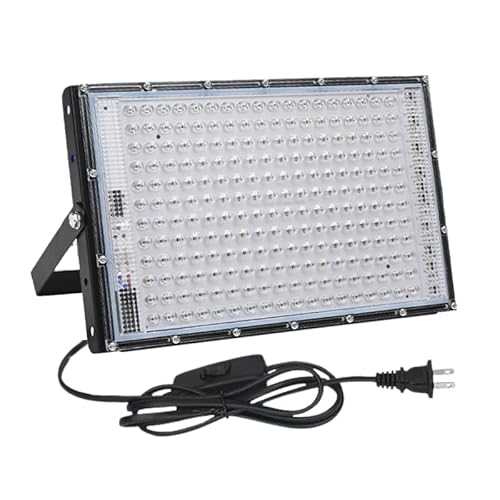
UrekaGo combines a high-intensity 50W, 395 nm UV light with a foldable, heavy-duty stand. The stand features a stable base and easy angle/height adjustments for precise exposure control. This model is positioned as a multi-purpose tool, capable of supporting cyanotype projects and screen-printing stencils. Its solid base minimizes wobble during exposure, helping maintain consistent results across repeated uses. The included foldable design aids storage in compact spaces, which is beneficial for makers with limited workspace.
SAHUANIYE 60W LED Exposure Unit

SAHUANIYE’s 60W exposure unit provides a robust, tabletop option for frame sizes around 18″×13″ or similar. The unit emphasizes durability with an iron plate construction and electrostatic spraying for rust resistance and long-term use. A dedicated countdown timer adds automation, turning the light off automatically when exposure ends, while a memory function preserves settings across sessions. A high-density sponge helps press the film for tighter contact with the emulsion, contributing to crisper image transfer and improved consistency across exposures.
Buying Guide
Key considerations when selecting an exposure unit include wavelength consistency, power output, and the size of the exposure area. A 395 nm LED setup is common and aligns well with standard photo emulsion formulations, delivering fast cure times without excessive heat. Power (40–60W range) influences exposure speed and uniformity; higher wattage can shorten times for larger screens but may require careful heat management. Adjustable stands and flexible mounting options help match frame sizes from 8″×10″ up to 20″×24″ or larger. A foldable or compact base benefits small workplaces, while a heavier base improves stability for tall or extended arms. Timers and memory features reduce hand-timing errors and promote repeatability. In cyanotype workflows, multi-purpose stands add value by serving as general photography or crafts supports. For accurate results, consider kits that include accessories like extra stands, hooks, and cable ties for versatile setup. When comparing, assess exposure time ranges for your typical emulsions and screens, and weigh upfront cost against long-term savings in time and quality.
Add a Comment