Choosing the right fabric is essential for durable, lifelike doll skin. This guide compares popular options—cotton interlock, knit, plush polyester, and jersey— highlighting durability, stretch, and ease of use for makers from beginners to advanced. The selections below are tailored for American crafters seeking reliable materials for cloth bodied and plush dolls alike.
| Product | Fabric Type | Why It Stands Out |
|---|---|---|
| iNee 100% Cotton Interlock Knit Waldorf Doll Skin | Cotton Interlock | Soft, durable, moderate stretch; pill-resistant finish |
| VALENGO Premium Skin Tone Cotton Interlock | Cotton Interlock | Stable, double-sided knit; extra soft with natural stretch |
| Weir Crafts 100% Cotton Knit Waldorf Doll Skin | Cotton Knit Interlock | Wide, American-made; substantial yardage |
| PH PandaHall 59×59 Inch Soft Doll Skin Plush Fabric | Polyester Plush | Realistic skin-like plush surface; durable and washable |
| De Witte Engel Doll Jersey Skin Color Fabric | Doll Jersey | Thick, soft and smooth; wide color range |
iNee 100% Cotton Interlock Waldorf Doll Skin Fabric
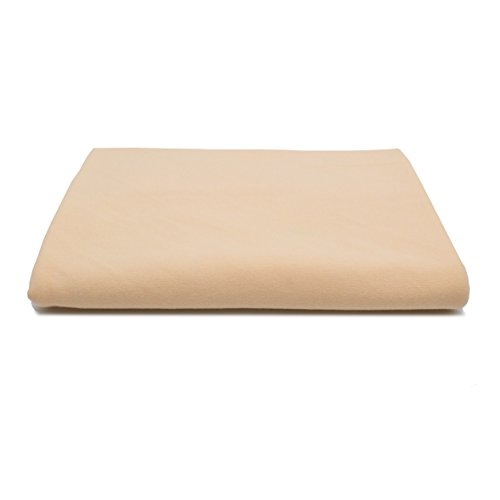
The iNee doll skin fabric uses 100% cotton interlock knit, offering a balanced combination of softness and stability. It has a pill-resistant finish and moderate stretch, making it suitable for clothed body construction and detailed shaping. Color is Flesh, aiding natural doll complexion while remaining easy to cut and sew for Waldorf-style figures.
Ideal uses include cloth bodied dolls and Waldorf-inspired designs where gentle shaping and resilience are key. The fabric’s double-sided interlock knit helps reduce edge curling, supporting smoother seams and consistent stuffing. This material is commonly chosen by makers seeking a natural fiber feel with reliable performance in everyday crafting projects.
VALENGO Premium Skin Tone Cotton Interlock Fabric

VALENGO’s skin-tone fabric is a 100% cotton interlock, designed for Waldorf and other cloth dolls. The fabric arrives at a generous 30 x 40 inches per piece, providing ample material for entire doll bodies. Interlock knit is double-sided, reducing edge curl and delivering stable seams. Its moderate stretch makes stuffing more forgiving and finish work easier, while remaining naturally soft and breathable for child-safe toys.
The absence of synthetic blends means this option keeps natural fiber benefits—lightweight warmth, easy sewing, and a comfortable hand. The color range and skin-tone fidelity support a variety of doll aesthetics, from traditional Waldorf silhouettes to modern play dolls.
Weir Crafts 100% Cotton Knit Waldorf Doll Skin

Weir Crafts offers a 100% cotton interlock knit for skin-toned doll making. Widths and yardage are industry-standard, with a weight suitable for reliable stuffing and a natural drape that helps dolls hold their form. Available in brown tones, this option is popular for creators focusing on realism and classic Waldorf proportions. Made in the U.S.A., it supports domestic production workflows and shorter supply chains for hobbyists and small studios.
Key advantages include strong color stability after washing and a straightforward sewing experience, especially for hand-sewn or machine-sewn jointed dolls. The fabric’s texture accommodates facial features and subtle shaping without excessive bulk.
FINGERINSPIRE 2.18 Yards Skin Tone Plush Doll Fabric

This option uses polyester plush for a skin-like surface with a soft, tactile feel. The large 2.18-yard length helps with larger projects or multi-doll runs. The fabric has a dense plush texture that mimics human skin tone with a peach-puff color, delivering a realistic look while maintaining durability, washability, and flexibility for sewing, apparel accents, or puppet designs.
Best suited for plush or soft-bodied dolls where a cushioned, warm finish is preferred. The material’s resilience supports repeated handling and gentle play, making it a solid choice for both beginners and experienced crafters.
Whaline Skin Tone Cotton Fabric Bundles

Whaline offers a 12-piece bundle of skin-tone cotton fabrics in varying colors, suitable for dolls with diverse skin tones. These fat quarters are crafted from premium cotton, offering a soft hand feel and colorfast performance after washing. The bundle is ideal for small projects, quilting accents, or making multi-doll ensembles where different skin tones are desired. The variety supports quick prototyping and swatch testing.
Consider this option when planning dolls with multiple characters or when you want an economical way to explore color choices without committing to a single hide.
PH PandaHall Doll Making Fabric 59×59 Inch Plush

This PH PandaHall option provides a large 59×59 inch stretch of skin-toned polyester plush fabric. The plush surface creates warmth and a tactile finish while ensuring durability for dolls that are dressed or accessorized. The fabric is soft to touch, washable, and maintains its form after multiple cleanings. The skin tone matches a natural complexion, helping to achieve a realistic doll appearance for various crafting styles.
Durability, ease of cutting, and long-lasting color make this a solid choice for hobbyists and small studios focusing on plush or mixed-media dolls.
PH PandaHall Doll Making Fabric 59×35 Inch Skin Color
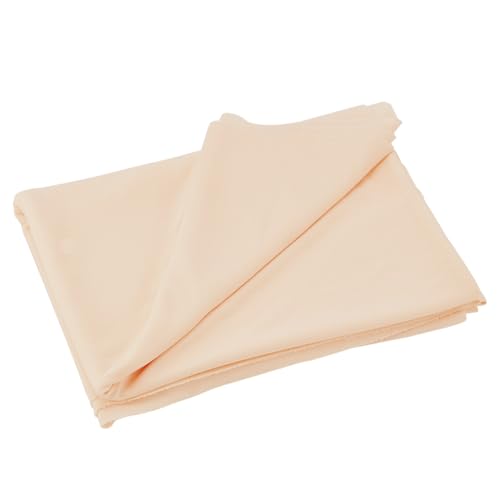
Another PH PandaHall option provides a 59×35 inch piece of single-sided skin-tone fabric, optimized for doll or animal skin making. It is soft, shiny, and washable, designed to maintain its shape with repeated cleaning. The color matches common doll skin tones, enabling realistic facial features and body contours. It is suitable for dolls, puppets, and small apparel projects where a lightweight yet convincing skin layer is desired.
The fabric’s flexibility allows creative control over seam placement and shaping, supporting diverse doll-building techniques without sacrificing comfort or play value.
De Witte Engel Doll Jersey Skin

De Witte Engel’s in-house doll jersey is renowned for its thick, high-quality feel and wide color range. Doll jersey is a specialty fabric designed for professional doll-making, offering extra softness and smoothness that helps achieve lifelike contours. The fabric’s weight and stretch characteristics enable precise shaping of both faces and bodies, supporting durable seams and realistic finishes for a variety of doll styles.
Ideal for makers seeking a premium jersey option with dependable consistency across dye lots and color options. This fabric is well-suited for beginners expanding into doll jersey projects or professionals refining detailed doll features.
Buying Guide: Key Purchase Considerations for Doll-Making Fabrics
- Fiber content and safety: Natural fibers like cotton offer breathability and a comfortable feel, while polyester blends provide durability and washability. Consider any allergies or safety concerns for children’s toys.
- Fiber structure: Interlock knit, jersey, and plush fabrics behave differently in seams, edge curling, and stuffing. Interlock tends to be stable, while plush adds texture and warmth, and jersey offers stretch for form-fitting designs.
- Weight and thickness: Heavier fabrics support structured dolls, while lighter fabrics suit flexible bodies and delicate detailing. Choose weight to balance shaping ease with finishing quality.
- Stretch and recovery: Moderate stretch is desirable for doll skins to handle shaping without distorting facial features. Test stretch around joints and seams before committing to a full doll.
- Color fidelity and skin tone range: Natural, flesh-toned hues help achieve realistic appearances. Consider dye lot consistency if making multiple dolls to ensure uniform color.
- Washability and durability: Fabric should withstand washing or spot cleaning without color bleed or distortion. Plush surfaces should retain texture after repeated cleanings.
- Availability and yardage: Larger yardage helps reduce project interruptions. Domestic options may simplify ordering and returns for American crafter timelines.
- Ease of sewing: Some fabrics curl or shift; interlock knits and jersey with stable edges are generally easier for beginners to sew accurately.
- Intended doll type: Waldorf-style dolls may favor natural fiber interlocks, while plush puppets benefit from durable polyester surfaces. Match fabric to your doll’s character and intended play patterns.
Add a Comment