Choosing the right lining fabric can dramatically improve comfort, drape, and finish in dresses and skirts. This guide highlights top fabrics suited for lining, from breathable cotton lawn to smooth poly blends and satin trims. Each option balances light weight, softness, and ease of care, helping you decide what works best for your project.
| Product | Fabric Type | Width | Key Benefit |
|---|---|---|---|
| Barcelonetta Cotton Lawn Fabric | 100% Cotton Lawn | 58″ | Breathable, ultra-soft, ideal for delicate linings |
| Barcelonetta Poly Cotton Broadcloth | Poly-Cotton Blend | 60″ | Lightweight, wrinkle resistant, versatile for lining |
| FabricLA White Cotton Lawn | 100% Cotton Lawn | 60″ | Soft, breathable, smooth finish for dresses |
| Ben Textiles Polyester Lining | 100% Polyester | By the Yard | Easy care, stable under sewing, durable lining |
| EOVEA Cotton Polyester Broadcloth | Cotton-Polyester Blend | 60″ | Breathable with good drape and structure |
In the sections that follow, you’ll find concise details for each product, including how its fabrics behave in dressmaking, care considerations, and typical uses for lining and lightweight apparel.
Barcelonetta Cotton Lawn Fabric for Lining

The Barcelonetta 100% cotton lawn is a lightweight, breathable option ideal for dress linings, blouses, and delicate garments. Its ultra-soft texture and smooth hand feel provide a luxurious finish, particularly when lining summer dresses or skirts. As a lining fabric, it offers comfort against the skin and helps garments drape smoothly without adding bulk. The weave contributes to a refined silhouette while remaining easy to sew and work with for both beginners and experienced sewers.
Key considerations: 100% cotton lawn offers excellent breathability and softness, though it may wrinkle more than blends. It’s best for lighter-weight dresses and garments where a cool feel against the skin is desired. For outer fabrics that require a delicate lining, this fabric performs exceptionally well.
Barcelonetta Poly Cotton Broadcloth
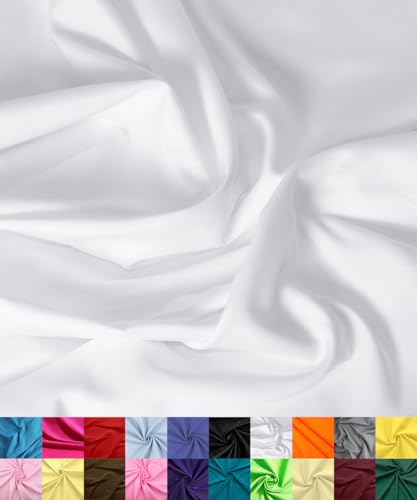
This poly-cotton blend combines the comfort of cotton with the durability and wrinkle resistance of polyester. The fabric is lightweight and breathable, making it well-suited for lining dresses, skirts, and lightweight jackets. It also suits home textiles and crafts that require a sturdy yet pliable lining. The blend reduces shrinkage and creasing, helping linings stay neat through wear and laundering.
Key considerations: blends can be more forgiving in sewing and care, but some may show wear over time if subjected to heavy use. Ideal for multi-use projects where a reliable lining is needed without excessive bulk.
FabricLA White Cotton Lawn By The Yard

FabricLA’s white cotton lawn by the yard offers a crisp, smooth surface with a gentle drape, making it a strong candidate for linings and airy summer garments. Being 100% cotton, it provides breathability and comfort, with a fine hand that layers neatly against the skin. This fabric is suitable for dresses requiring a clean inner finish, blouses with a soft lining, and other lightweight apparel projects where a breathable base layer is desired.
Key considerations: expect natural cotton characteristics such as slight wrinkling and a need for gentle laundering. Ideal when you want a breathable, skin-friendly lining that keeps the garment feeling light.
Ben Textiles Polyester Lining White

Ben Textiles offers a 100% polyester lining, designed for easy care with machine wash cold and tumble dry low. Polyester linings are durable, resist wrinkles, and sew smoothly, making them a practical choice for a wide range of garments. This option is particularly well-suited for experimental patterns, structured dresses, and skirts where a steady, low-maintenance lining is favorable.
Key considerations: polyester linings typically resist moisture absorption and can feel less breathable than natural fibers. They excel in durability and ease of care, but pairing with natural outer fabrics may influence comfort in hot climates.
EOVEA Cotton Polyester Broadcloth

The EOVEA broadcloth blends 35% cotton with 65% polyester to deliver a breathable yet structured lining fabric. It offers a balanced drape, making it suitable for skirts, light jackets, and other garments where a smooth inner layer is important. The fabric is designed for apparel and home projects, providing a versatile option for liners that require both comfort and durability.
Key considerations: the blend enhances wrinkle resistance and ease of care but may feel less soft than pure cotton. It’s a reliable choice when a practical, springy lining is needed without compromising form.
Buying Guide: Key Purchase Considerations
- Breathability vs. structure: Pure cotton lawn is highly breathable and soft, ideal for lining delicate fabrics. Blends like poly-cotton broadcloth provide more structure and wrinkle resistance for everyday wear.
- Drape and weight: Light, airy linings (cotton lawn, thinner broadcloth) aid in flow, while slightly heavier blends improve garment shaping and durability.
- Care and maintenance: Polyester linings offer low-maintenance care, machine washing and drying convenience. Cotton-based linings require gentler care to minimize shrinkage and wrinkles.
- Color and opacity: White or light-colored linings reduce visible show-through and help the garment look cohesive. For darker outer fabrics, consider neutrals or matching tones.
- Width and yardage: Wider fabrics reduce seam lines and speed up construction for full skirts and dresses. Check width compatibility with your pattern’s lining requirements.
- Durability vs. comfort: If the project involves frequent wear or heavy movement, prioritize blends that resist pilling and abrasion while remaining comfortable against the skin.
- Care labeling and washing: Review fabric care instructions to ensure your lining maintains its appearance after laundering and keeps colorfastness intact.
These options cover a spectrum from pure cotton lawns to polyester blends and satin finishes, enabling different styling and practical outcomes for dress linings. When selecting a lining, align fabric behavior with the outer fabric’s weight, drape, and intended use to achieve a polished, comfortable garment.
Add a Comment