When working with acrylic sheets, choosing the right adhesive is essential for clear, durable joins. This guide highlights five top options that balance fast setting, strong bonding, and a crystal-clear finish. Each product is evaluated for ease of use, suitability for Plexiglass and similar plastics, and long-term performance. Read on to compare features and find the best acrylic glue for your next project.
| Product | Brand | Key Benefit | Image |
|---|---|---|---|
| [4 oz] Acrylic Bonding Cement with Applicator Bottle | Berkland | Water-thin, fast-setting, crystal-clear finish |  |
| FixtureDisplays 1 Ounce Acrylic Glue | FixtureDisplays | Solvent-based chemical bonding; compact, precise dosing | 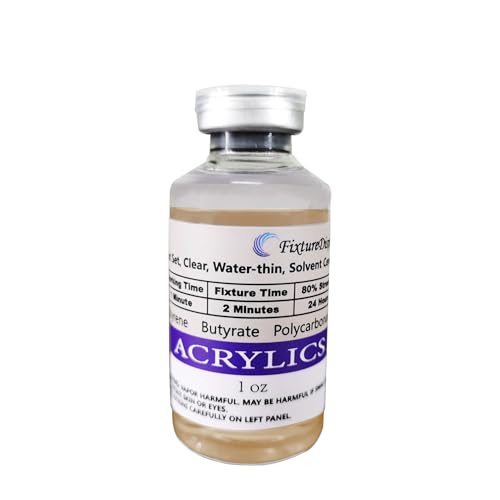 |
| ALECPEA 30g Plastic Glue | ALECPEA | Fast set in seconds, three applicator nozzles, strong plastic bonds |  |
| Realth Plastic Acrylic Glue 30g | Realth | Precision application with three droppers, quick-drying |  |
| Erigathe Super Glue For Plastic | Erigathe | Anti-clog cap, fast bonding for plastics including acrylic |  |
Berkland [4 oz] Acrylic Bonding Cement
Berkland’s Acrylic Bonding Cement is a water-thin adhesive designed to penetrate tight joints and deliver clean, strong bonds on acrylic sheets and similar plastics. The cement sets rapidly, providing an initial hold within minutes and full strength after curing. The formulation dries crystal clear, ensuring a professional, seamless appearance on Plexiglass and other clear plastics. This makes it suitable for fabrication and repair tasks that require minimal visible adhesive lines.
Key considerations: The solvent-based, precision-bonding formula is ideal for users who need precise joints with minimal gap fill. While fast-setting can be advantageous, handling requires gloves and careful alignment to prevent smearing. The product is particularly effective for edge-to-edge bonds and small- to medium-scale projects where the bond line should be unobtrusive.
Application tips: Work in a well-ventilated area, apply a thin layer along the bonding surface, align parts quickly, and avoid forcing parts together after initial contact to maintain alignment. Allow curing time per product instructions for maximum strength. For best results, test on a scrap piece before committing to a critical joint.
Ideal uses
- Fabrication of acrylic displays and enclosures
- Repairs of Plexiglass panels and light fixtures
- Edge bonding on clear acrylic sheets
FixtureDisplays Acrylic Glue, 1 Ounce
FixtureDisplays offers a compact acrylic cement designed for DIY art and craft applications. The 1-ounce vial emphasizes portability and controlled usage. This solvent-based cement bonds acrylic and Plexiglass effectively, dissolving surfaces to create a strong, chemically fused joint. It’s important to wear gloves and eye protection, as the chemical bonding agent can be harsh on skin and eyes. The bottle is designed with a tight seal to help preserve the adhesive between uses and minimize exposure to air and moisture.
Performance notes: Users typically experience a clear bond with minimal margin. The cement’s viscosity is low, enabling it to penetrate micro-gaps for a robust bond. However, because it is solvent-based, it may require longer cure times in humid conditions or on larger, thicker acrylic sheets. Always follow safety instructions and work in a ventilated area.
Best practices: Apply sparingly to avoid drips or runs along surfaces, align pieces promptly, and allow adequate curing time before subjecting the joint to stress. For intricate applications, consider practicing on scrap acrylic to master flow control and joint depth.
ALECPEA 30g Plastic Glue
ALECPEA’s 30g Plastic Glue is engineered to tackle difficult plastic bonds, including acrylic and PET-based materials. It features a quick set in about 15 seconds and full strength within 24 hours. The kit includes three applicator nozzles, enabling flexible application for small parts, model work, or electronics enclosures. It is designed to resist bending and torsion, making it suitable for a range of acrylic bonding tasks from display cases to hobby projects.
Considerations: While the fast initial grab is advantageous, ensure proper alignment within the brief tack window. The multiple nozzles support precise placement on tight joints but require careful storage to prevent nozzle clogging. Use appropriate safety gear during application and ventilate the workspace.
Nexkayee Glass Glue (Alternative Option)

Nexkayee’s glass glue provides rapid drying for glass and acrylic applications, with waterproof performance and high-temperature resistance. While marketed for glass, the formula supports bonding acrylic and other materials, offering a multipurpose option for projects requiring quick, clear bonds. The 30-gram packaging is convenient for small-to-medium tasks, and the adhesive’s low-viscosity helps to fill fine joints without visible glue lines.
Usage guidance: Use on clean, dry surfaces for best results. Apply a small amount, align the pieces, and allow curing time to reach full strength. Consider testing on scrap pieces to determine the bond’s resilience under expected environmental conditions.
Erigathe Plastic Glue With Anti-Clog Cap
Erigathe’s plastic glue offers a cyanoacrylate-based formulation designed for quick bonding on a variety of plastics including acrylic. The anti-clog cap and built-in tip help maintain usability across multiple applications, reducing waste and rework. This adhesive is suited for repair work, hobby projects, and small to medium assemblies where a fast, clear bond is essential.
Important notes: CA-based glues can generate heat during curing, so avoid excess application and give joints time to cool as needed. For vertical or uneven surfaces, apply in small increments and clamp or hold until initial set occurs. Compatibility with acrylic is strong, but always test with your specific sheet thickness and surface finish.
Buying Guide: Acrylic Glue Purchase Considerations
Selecting the best acrylic glue depends on bond type, project size, and handling preferences. Consider these factors to optimize results across clear acrylic sheets:
- Bond Type: Choose solvent-based cements for clear, chemical bonding that melts acrylic edges, versus cyanoacrylate options for quick “instant fix” bonds on flat surfaces.
- Clarity: For visible joints, prioritize formulations that dry crystal clear to maintain a seamless look on Plexiglass and similar sheets.
- Working Time: Fast-setting adhesives are ideal for small parts; slower sets can be beneficial when aligning larger assemblies.
- Application Control: Look for anti-clog caps, precision droppers, and multiple nozzles to handle tight joints without mess.
- Safety: Use gloves and eye protection, ensure ventilation, and follow manufacturer safety guidelines due to solvent-based chemistries.
- Surface Prep: Clean surfaces, remove debris, and ensure dry, dust-free bonding areas to maximize adhesion strength.
- Environmental Resistance: Consider moisture, humidity, and temperature exposure if the completed item will be outdoors or in humid spaces.
- Thickness and Joint Size: Heavier-duty bonds on thicker panels may require longer curing times or slower-setting formulas, while thin sheets benefit from quick, low-viscosity adhesives.
In summary, for acrylic sheet projects, the right adhesive balances clarity, bond strength, and user control. The Berkland acrylic cement offers quick, clear bonds for edge and joint areas. FixtureDisplays provides a compact option with precise dosing for craft work. ALECPEA and Realth deliver strong bonds with user-friendly application for models and small parts, while Erigathe adds an anti-clog design for reliable reuse. For broader versatility, Nexkayee’s glass glue can complement applications that require bonding across glass, acrylic, and ceramics, though always test on sample pieces before final use.
Add a Comment