Choosing the right adhesive for foam rubber ensures strong bonds without dissolving or deforming the material. This guide compares five trusted options, highlighting how they perform on foam, foam-like crafts, and related materials. You’ll find details on open time, flexibility, and suitability for projects ranging from costumes to props. Each product is selected for reliability, ease of use, and compatibility with foam rubber in American households and workshops.
| Product | Brand | Key Benefit | Best Use |
|---|---|---|---|
| Aleene’s Felt And Foam Glue | Aleene’s | Instant grab, thick formula | Foam crafts, felt, fabric |
| Beacon Foam Tac Adhesive | Beacon | Dries fully flexible | RC foams, Depron, EPS |
| Gorilla Rubber Cement | GORILLA | Non-wrinkling, non-yellowing | Foam crafts, general bonding |
| 3M Hi-Strength 94 | 3M | Low VOC, longer open time | Foam, wood, fabric |
| Mosconly Rubber Glue | Mosconly | Waterproof, quick-drying | Rubber surfaces and foam |
Aleene’s Felt and Foam Glue Review

Aleene’s Felt and Foam Glue is designed for crafts that combine foam with fabric or felt. The adhesive is described as an instant grab formula with a thick, non-runny consistency that helps parts stay in place during assembly. The 4 fl oz bottle provides a durable option for frequent foam projects, such as costume pieces or dioramas. This glue is particularly suitable for projects where a quick tack is beneficial, and it minimizes warping and bubbling when applied carefully to foam surfaces.
Beacon Foam Tac Adhesive Foam Glue

Beacon Foam Tac Adhesive is a dedicated foam adhesive known for its flexible dry. It bonds foam to various substrates and remains pliable after curing, reducing the risk of cracking or cracking at joints. The product is suitable for assembling RC foam models, Depron, and other foam materials used in crafts and hobbies. It is designed to dry clear and enable clean edges on foam assemblies, making it a solid option for foam-centric projects where flexibility matters.
Gorilla Rubber Cement (2-Pack)
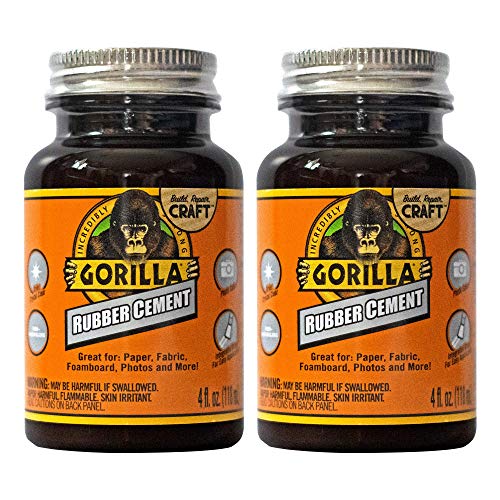
Gorilla Rubber Cement is a versatile, non-wrinkling, and non-yellowing adhesive with a brush included for easy application. It’s designed to bond a range of materials, including foam, with smooth adhesion and cleanup. The presence of a brush helps control application, which can be advantageous for foam pieces that require precision. This option suits general foam crafts and layered projects where a quick, user-friendly solvent-free bond is preferred.
3M Hi-Strength 94 ET Spray Adhesive

3M Hi-Strength 94 ET is a spray adhesive with low volatile organic compounds (VOC) and strong bonding for a variety of surfaces, including foam. It offers longer open time and robust tack, which can be helpful for assembling foam-based props or large foam panels. The spray format provides even coverage and allows bonding of larger foam sections without heavy squeezing. This option is suitable for projects that benefit from uniform adhesive distribution and stronger overall bonding.
Mosconly Rubber Glue for Foam and Rubber

Mosconly Rubber Glue is formulated for rubber and foam bonding, emphasizing high adhesion, quick drying, and water resistance. The product claims rapid initial grip and full cure to deliver strong bonds on rubber-related components, which can extend to foam rubber assemblies or projects that include rubberized foam parts. The formula is designed to tolerate humidity and temperature changes while maintaining elasticity in the joint.
Buying Guide
- Foam compatibility: Look for adhesives specifically labeled for foam, or those that state flexible, non-wrinkling, or non-yellowing properties to protect foam surfaces.
- Open time and clamping needs: Some glues grab instantly, while spray adhesives or contact cements offer longer open times for positioning before final bonding.
- Elasticity after cure: Foams benefit from flexible bonds that can absorb movement. Avoid rigid bonds unless the project requires stiffness.
- Drying time and cleanup: Quick-drying formulas help with rapid assembly, but consider cleanup ease and whether you need a brush or spray applicator for precision.
- Surface versatility: If your project involves multiple materials (foam to fabric, foam to wood, etc.), choose an adhesive with good multi-material performance and waterproof or weather resistance if relevant.
- Environmental and safety considerations: Low VOC options and non-toxic formulations are beneficial for indoor use and hobby environments.
- Application form: Glue pens, brushes, and spray cans offer different control levels. For delicate foam pieces, a controlled brush or pen application often yields cleaner edges.
When selecting a foam rubber adhesive, weigh the project needs: are you bonding lightweight costume foam, sealing edges on molded props, or repairing foam components exposed to humidity? Each product in this guide offers distinct advantages, from instant-grab formulas to flexible spray adhesives, enabling users to choose based on materials, bonding strength, and application method.
Add a Comment