Finding the right adhesive for mixed media collage can be challenging. The ideal glue should bond paper, fabric, surfaces, and found objects without warping, yellowing, or drying too quickly. Below is a curated, practical guide to five well-regarded options that work across a range of substrates and techniques. Each entry includes key features, so you can compare at a glance and choose the best fit for your project.
| Product | Brand | Type | Notes |
|---|---|---|---|
| Stamperia Mixed Media Glue 150ml | Stamperia | Water-based, universal glue | Clear, safe for papers and 3D elements |
| Beacon Adhesives Mixed Media Glue 4 oz | Beacon | Multi-surface, fast-grab | Crystal clear, acid-free |
| PH Neutral PVA Glue 8.5 Oz | Vereclue | PH-neutral PVA | Archival, dries clear, flexible |
| Strathmore 462-111 400 Series Mixed Media Pad | Strathmore | Glue-bound pad (paper) | Great for sketching and light collage |
| Strathmore 500 Series Heavyweight Mixed Media Pad | Strathmore | Heavyweight paper pad | Ultra-durable surface for mixed media |
Stamperia Mixed Media Glue 150ml
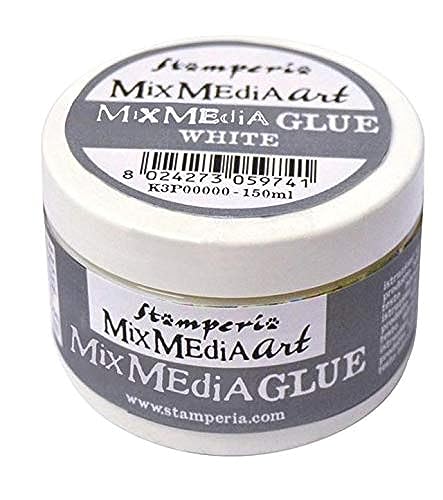
Stamperia’s Mixed Media Glue 150ml is a versatile, water-based adhesive designed for a wide range of surfaces, making it a popular choice for collage artists. The glue dries clear, helping preserve the appearance of delicate papers and translucent elements. It bonds well to most papers and supports 3D effects, which is essential when you layer textures, fabric, or light found objects. Users should note that, like many water-based glues, it is not recommended for very small children due to choking hazards and safety guidelines. The transparency and quick grab can help when arranging intricate collages, but you may want to adjust drying time for larger, heavier pieces to avoid warping.
Beacon Adhesives Mixed Media Glue 4 oz.
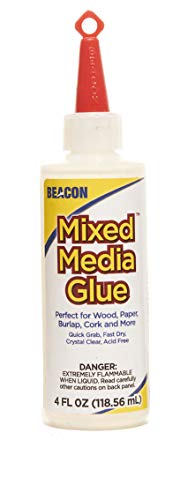
Beacon Adhesives’ Mixed Media Glue is designed for multi-surface projects, delivering a fast grab and quick dry time. Its crystal-clear finish ensures that glue lines don’t distract from artwork, and its acid-free formula helps prevent deterioration of paper and fabric over time. This makes it suitable for collage pieces that combine textured papers, fabric scraps, and lightweight embellishments. The product’s strong initial tack helps keep pieces in place during assembly, though for thicker layers, clamping or weight may help ensure a flat final surface.
PH Neutral PVA Glue 8.5 Oz

This Vereclue PVA glue is an archival-grade, pH-neutral option designed for long-term paper cohesion. It dries clear, remains flexible, and offers strong adhesion to a variety of porous surfaces—ideal for book pages, printouts, tissue, and collage elements that require a stable bond without discoloration. The formula is water-soluble prior to drying, allowing for repositioning during application. Once set, the glue provides a durable, lay-flat finish that is favored by crafters who value preservation and longevity in their work.
Strathmore 500 Series Heavyweight Mixed Media Pad

The Strathmore 500 Series Heavyweight Mixed Media Pad offers a substantial surface for collage and mixed media exploration. With 350 lb (570 g/m2), 100% cotton, and acid-free composition, this pad provides a robust base that resists warping when wet media is used alongside glue and embellishments. The heavy weight supports multiple layers, wet media, and fine detail work, making it a practical choice for artists who combine watercolor, gouache, graphite, ink, and collage on a single sheet.
Strathmore 400 Series Toned Tan Mixed Media Pad
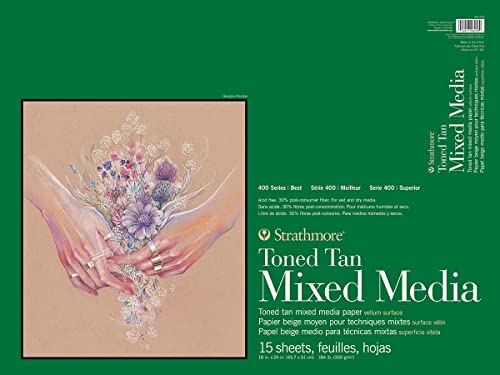
The Strathmore 400 Series Toned Tan pad combines the characteristics of watercolor and drawing paper, offering a tan-toned surface that enhances both light and dark media. Weighing in at 184 lb/300 gsm, the paper is thick enough to handle layering and glue without excessive buckling. This makes it particularly suitable for collage work where contrast and texture play a central role. The tan tone adds a unique background that can reduce the need for heavy background washes in some pieces.
Creative Mark Universal Mixed Media Pads

The Creative Mark pads offer a versatile 90 lb (200 gsm) paper stock, glue-bound top binding, and white paper that stands up to various media, including acrylics, collage, markers, pencil, and ink. The 11×14 size is a convenient option for sketch-like collage work or portable projects. Glue-bound designs aid in keeping sheets intact during transport and storage, while the medium weight supports everyday mixed media experiments without added cost or bulk.
Buying Guide: Key Purchase Considerations For Mixed Media Collage
Choosing the right glue for mixed media collage depends on several factors. Below are considerations to help you compare options and select the best match for your projects.
- Substrate compatibility: Consider whether you are working with paper, fabric, wood, or canvas. Some glues are more versatile across surfaces, while others excel with specific materials.
- Drying time and tack: Fast-drying formulas speed up workflows but can limit repositioning. If you layer many elements, a slower, repositionable glue may help.
- Clarity and finish: A glue that dries clear is essential for preserving the look of translucent papers and light-toned media. Gloss or matte finishes can affect the final appearance depending on light and texture.
- Archival quality: For long-term projects or archival displays, choose acid-free, pH-neutral formulas to prevent yellowing or acid migration over time.
- Flexibility after drying: Some projects benefit from a flexible bond that resists cracking or warping, especially with paper fibers that expand and contract with humidity changes.
- Ease of use: Consider whether the glue is water-soluble before drying, if it has a strong initial tack, and whether it can be thinned or adjusted with water for tweaking consistency.
- Safety and age considerations: Ensure adhesives are appropriate for your project’s age group and that warnings are followed for handling and storage.
In practice, many mixed media artists pair a general-purpose PVA or acrylic-based glue with a lighter, repositionable adhesive for initial layout. Heavier elements or fabrics may require a stronger bond or a two-step approach: a temporary tack, followed by a final, longer-lasting adhesive for durability. For archival pieces or pieces intended to last, prioritize acid-free, pH-neutral formulas and consider testing on a small sample to evaluate finish, clarity, and flexibility before applying to the full artwork.
Add a Comment