Choosing the right adhesive is essential for model car builders who want clean joints, minimal mess, and durable holds. This guide highlights top glues ideal for plastic and mixed-media model cars, focusing on fast bonding, precision application, and clear-set results. Whether you’re assembling chassis, body panels, or detail parts, the options below cover cyanoacrylate (CA) glues, ultra-thin formulations, and cement-based solutions designed for detailed model work. Compare features, application tips, and how each product suits common modeling tasks.
| Product | Best For | Type | Estimated Set Time |
|---|---|---|---|
| Starbond Medium CA Glue Pro Kit | Precision work, tight joints | CA Glue | 10–15 sec |
| ALECPEA 20g Thin CA Glue | Delicate detail, micro-tasks | CA Glue | 2–5 sec |
| Testors Cement Plastic Model Glue (2-Pack) | Polystyrene/ABS assemblies | Plastic Cement | 2–60 min depending on joint |
| Clear Parts Cement-1oz | Windows, clear parts, glazing | Cement | Slow to moderate, dries clear |
| Protado Plastic Glue | Major repairs, heavy-duty joins | Plastic Glue | 10–30 sec |
Starbond Medium CA Glue Pro Kit

Starbond’s premium CA glue line emphasizes reliability and shelf stability. The kit includes multiple microtips and a clog-preventive cap, which helps maintain precision on small joints common in model cars. With a set time of roughly 10-15 seconds, builders gain enough working time for fine positioning before the bond takes hold. The kit is designed to support frequent rework without sacrificing strength, making it suitable for chassis fittings, interior detailing, and small-scale repairs where tiny gaps are involved.
ALECPEA 20g Thin CA Glue

This ultra-thin CA glue (2-3 CPS) is designed for precision work in tight spaces. Its water-like viscosity enables deep penetration into small joints and micro-cracks—ideal for tricky areas like detailed wheel hubs, wing joints, or interior components. A rapid 2–5 second cure time helps keep projects on schedule, while full cure occurs within 24 hours for long-term durability. It’s well-suited for multi-material use when modeling cars that combine plastic, metal, or resin details.
Testors Cement Plastic Model Glue (2-Pack)

Testors cement is a classic choice for polystyrene and ABS model car assemblies. The 2-pack offers flexibility for multiple images or additional parts while maintaining a strong, lasting hold. It’s particularly effective for whole-body construction and larger panels where solvent welding provides a seamless result. Drying time varies, allowing for careful alignment during assembly and rework before the bond fully cures. Use in conjunction with fine-tipped brushes or applicators for precision during panel fitting.
Clear Parts Cement-1oz
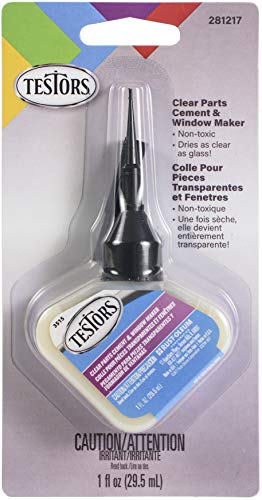
This cement is formulated to join polystyrene plastics with a clear, glass-like finish. Its clear drying behavior is especially valuable for model car windows, windshields, and lightweight trim where visibility of seams must be minimized. Applications include glazing small cockpit windows or creating transparent detailing. The solvent-based approach helps fuse surfaces for a strong bond while maintaining a nearly invisible joint once cured. Use with care to prevent fogging on very thin components.
Meuvcol Plastic Glue

Meuvcol offers a heavy-duty plastic adhesive designed for a broad range of plastics, including PLA, ABS, PET, and 3D-printed parts. The glue claims rapid bonding and strong durability, making it a suitable option for model car builds that involve mixed materials or reinforced joints. The product emphasizes fast setting (seconds) with a final cure within 24 hours, enabling efficient assembly of larger sections like chassis or body panels. The nozzle design supports controlled, precision application to minimize mess.
Protado Plastic Glue

Protado Plastic Glue focuses on repairing and bonding a wide range of plastics used in model kits and figures. Its formula prioritizes strong, invisible bonds between ABS, PVC, PLA, and other plastics, plus resistance to moisture and heat. The precision nozzle is designed for controlled application on hard-to-reach areas, supporting detail work like interior fittings, bumper joints, and underbody components. Typical handling times range from 10–30 seconds for a quick set, with full cure over 24 hours.
Buying Guide: Key Purchase Considerations
- Material compatibility: Plastic model cars often use polystyrene and ABS; choose glues tailored to these substrates or multi-material options if you work with resin or metal components.
- Bonding speed vs. repositioning: Ultra-thin CA glues cure quickly but offer limited repositioning time. Medium viscosity or plastic cement may provide a longer window for alignment.
- Clear vs. visible joints: For body panels or windows, opt for clear-drying formulations or cement designed to dry transparent or nearly invisible.
- Application control: Nozzle design, microtips, and clog-prevention features reduce mess and increase precision on small details.
- Durability and curing: Consider the intended use—lightweight scale models benefit from fast curing, while larger builds may require stronger bonds and longer initial setup.
- Rework and safety: Some solvents and adhesives can soften plastics; test on scrap parts to avoid warping. Use in well-ventilated areas and follow safety guidelines.
When selecting adhesives for model cars, balance speed, control, and bond strength with the specific parts you’re joining. For delicate interiors or tight detail work, ultra-thin CA glues paired with precision nozzles can deliver exact placement. For larger sections or where solvent welding is appropriate, plastic cements provide strong, gap-filling joints with cleaner finishes. A mix of CA glues, cement, and specialty adhesives often yields the best results across a range of modeling tasks.
Add a Comment