Choosing the right paint and shielding materials for a guitar affects appearance, durability, and electrical noise performance. This guide highlights five highly relevant products that cover classic lacquer finishes and practical shielding solutions for instrument cavities. Each option is described with core features and typical use cases to help players, luthiers, and hobbyists compare finishes and shields that are compatible with guitar construction and repair workflows.
| Product | Brand | Key Strength | Best For |
|---|---|---|---|
| ColorTone Aerosol Guitar Lacquer, Black Gloss | ColorTone | Professional-grade nitrocellulose lacquer; deep black gloss | Solid black guitar finishes |
| ColorTone Aerosol Guitar Lacquer, Sunburst Black | ColorTone | Semi-transparent edge shading; versatile look | Sunburst style guitars |
| StewMac Conductive Shielding Paint | StewMac | Water-based shielding; reduces hum and noise | Guitar cavities and electronics shielding |
| MG Chemicals 841WB-55ML EMF Shielding Paint | MG Chemicals | EMF shielding in a water-based coating | Wood and drywall, guitar cavities |
| Rust-Oleum Lacquer Spray Paint, Gloss Black | Rust-Oleum | Fast-drying lacquer with high durability | General guitar body refinishing |
ColorTone Black Gloss Guitar Lacquer

ColorTone’s aerosol lacquer is formulated for musical instruments, providing a professional-grade finish for guitars and basses. The Black Gloss option delivers deep, solid coverage, while also offering two black finish choices overall. The nitrocellulose formulation is designed for aerosol application, removing the need for spray guns and enabling a high-quality professional look with straightforward spray technique. This product is ideal for new finishes or touch-ups that require a durable, glassy black surface on solid body guitars.
ColorTone Sunburst Black Aerosol Lacquer

This Sunburst Black finish from ColorTone provides a warm semi-transparent edge shading that is characteristic of sunburst guitars. As a nitrocellulose lacquer designed for musical instruments, it supports a smooth, film-forming layer that accommodates traditional instrument aesthetics and aging. The easy spray application is well-suited for refinishing projects and classic sunburst looks, offering solid control over color depth and gradient transitions without specialized equipment.
StewMac Conductive Shielding Paint
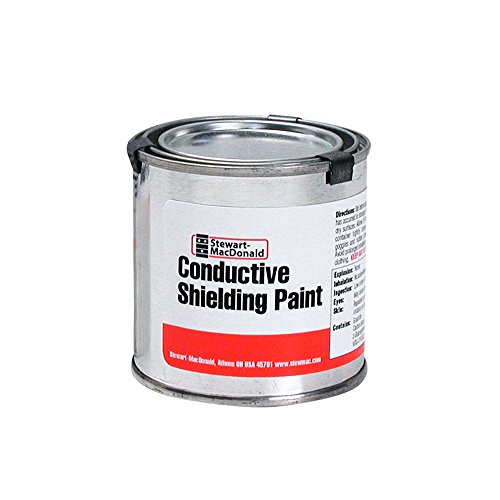
StewMac shielding paint provides a water-based, conductive coating designed to reduce hum, noise, and radio interference. It is applied with a brush, allowing two or more coats to form an effective shield around pickup and control cavities. This product is particularly suitable for tight spaces where shielding tape may not reach, helping to maintain signal integrity in guitars with active electronics or sensitive pickups.
MG Chemicals EMF Shielding Paint

MG Chemicals 841WB-55ML is a water-based conductive coating designed for effective EMF shielding. It is suitable for wooden guitar cavities, providing a way to reduce electromagnetic interference in electronic systems. The water-based formula emphasizes ease of cleanup and safer handling, making it a practical option for hobbyist builds and renovations where shielding is a priority alongside aesthetics and weight considerations.
Rust-Oleum Gloss Black Lacquer Spray

Rust-Oleum’s Gloss Black Lacquer Spray offers an ultra-hard, high-luster finish with a fast cure and hardening time. The formula adheres to diverse surfaces, including metal, wood, and ceramic, which makes it suitable for body refinishing or touch-ups on guitars. It dries to the touch quickly and provides broad coverage per can, appealing to projects requiring a durable, glossy black appearance with straightforward application.
Buying Guide: Key Considerations For Guitar Finishes And Shielding
- Finish type and compatibility: Nitrocellulose lacquers (like ColorTone) are traditional for vintage-style guitars, offering architectural aesthetics and a thin, resonant layer. Polyurethane-based options may add durability but can alter tone and aging characteristics. Always check compatibility with wood types and existing finishes before application.
- Aesthetic goals: Solid black vs. sunburst or translucent finishes affect color depth, edge shading, and how the instrument ages. Consider whether you want a classic, vintage, or modern look and how the finish will wear with time and playing style.
- Ease of application: Aerosol lacquers enable spray-on finishes without equipment, while traditional spray guns provide greater control for large bodies. Brushes or coatings for shielding are best chosen based on cavity access and space constraints.
- Shielding effectiveness: EMF and grounding shields reduce hum and interference. Brush-on options (StewMac) suit tight cavities, whereas water-based formulations (MG Chemicals) offer easier cleanup and safer handling for home projects.
- Durability vs. weight: Some high-build lacquers yield rugged finishes but can add weight. For players prioritizing resonance and sustain, consider thin coats and careful curing. Shielding layers add minimal weight but can improve reliability in live environments.
- Safety and solvents: Nitrocellulose lacquers contain volatile organic compounds and require proper ventilation and curing time. Water-based shielding paints offer safer handling, especially in indoor workshops, but ensure compatibility with wood finishes and primers.
- Maintenance and repair: If refinishing, choose finishes that are repairable and layer-compatible. Nitrocellulose can be layered and buffed to a smooth sheen, while some modern coatings may require different sanding and recoating approaches.
- Budget and availability: Aerosol finishes and shielding paints vary in price and accessibility. When selecting, balance cost with performance goals and required curing times for project deadlines.
Add a Comment