For writers, illustrators, and stationery enthusiasts, Japanese-style pens blend precision with smooth, quick-drying ink. This guide highlights five standout options that deliver clean lines, minimal smudge, and reliable performance across office, school, and creative projects. Each pick brings a distinct balance of tip size, ink technology, and ergonomic design suitable for drafting, journaling, or fine art in everyday American usage.
| Product | Brand | Ink Type / Point | Best For |
|---|---|---|---|
| BEMLP Gel Ink Pen 0.35mm | BEMLP | Gel, 0.35 mm ultra-fine | Precise writing, fine detail |
| Frienda 0.5 mm Rollerball | Frienda | Liquid ink, 0.5 mm | Smooth, quick-drying notes |
| SAKURA Pigma Micron Fineliner | SAKURA | Pigma Micron archival ink | Archival drawing, bullet journaling |
| uni-ball Zento Gel Rollerball | uni-ball | Liquid gel, 0.7 mm | Vivid color, reliable everyday use |
| BEIWO 0.5 mm Gel Pens | BEIWO | Gel, 0.5 mm | Sharp notes, doodling |
BEMLP Gel Ink Pen 0.35mm Ultra Fine Point

The BEMLP 0.35 mm gel pen is designed for crisp line work and precise control, making it suitable for Japanese cursive scripts, fine sketches, and detailed notes. The ink dries quickly, minimizing smudges when taking notes or crossing out mistakes. A transparent ink tube allows you to monitor ink supply and anticipate refills, reducing interruptions during long writing sessions. The set typically includes twelve pieces, offering consistency across daily tasks and creative projects.
Frienda 0.5 mm Rolling Ball Pens
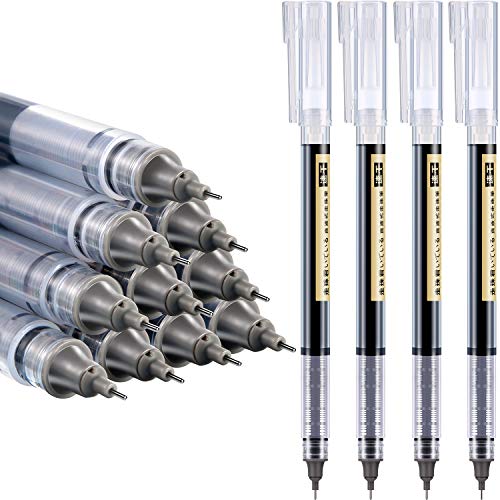
Frienda’s 0.5 mm rollerball pens deliver smooth, quick-drying black ink ideal for fast note-taking, outlines, and daily journaling. The transparent tube design helps track ink levels, while the 0.5 mm tip provides a balance between precision and speed—well-suited for Japanese handwriting styles that favor neat, legible strokes. The pens are described as non-leaking with a durable build, supporting extended use in classrooms, offices, and home studios.
SAKURA Pigma Micron Fineliner Pack
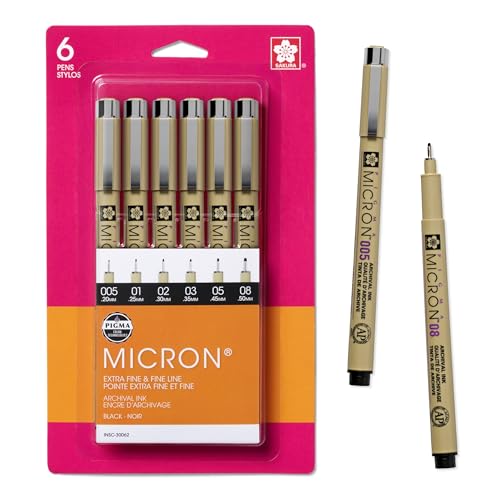
SAKURA Pigma Micron fineliners are an archival standard for precise lines in drawings, inking, and bullet journaling. The set includes multiple point sizes from 0.20 mm to 0.50 mm, offering flexibility for細い線 work, hatching, and bold outlines. Pigma ink is quick-drying, pH-neutral, and non-smearing, with an AP certification for safety. These pens are favored by illustrators and planners who require durable, water-resistant lines that won’t fade over time.
uni-ball Zento Gel Ink Rollerball

uni-ball Zento blends a retractable 0.7 mm gel tip with a vivid ink flow that reduces smearing and smudging. The sleek barrel features a soft grip and uses recycled materials for a comfortable writing experience. While the nib is slightly broader than ultra-fine Japanese styles, it excels for rapid note-taking, calligraphy practice, and producing bold, legible lines on print and digital captions alike.
BEIWO 0.5 mm Gel Pens

BEIWO’s 0.5 mm gel pens emphasize a smear-free writing experience with a long-lasting ink supply. The Japanese-style design aims for comfortable, controlled writing that suits notes, journaling, and detailed doodling. The ergonomic grip supports extended sessions, and the 0.5 mm point yields clean, medium-thick lines that pair well with both upright handwriting and more decorative script work.
Buying Guide: Key Considerations For Choosing Pens For Japanese Writing
- Tip size and line quality: For Japanese writing, finer tips (0.20–0.5 mm) support delicate kana and kanji strokes, while slightly broader tips (0.7 mm) suit headers or quick notes. Choose based on your preferred script style and tolerance for line weight.
- Ink type and drying time: Gel and liquid inks offer smooth transitions, but drying speed matters to prevent smudges on gloss paper or during long handwriting sessions. Quick-dry formulas are beneficial for left-handed writers, or when drafting cards and invitations.
- Dryness and bleed-through: Archival or pigment inks (like Pigma Micron) resist fading and bleed-through, ideal for art and journaling. Gel inks tend to dry quickly but may show some bleed on very thin paper; test on your typical paper stock.
- Ergonomics and grip: An easy-to-hold pen reduces hand fatigue during long sessions of Japanese handwriting. Look for pens with soft grips or well-balanced barrels for comfortable use in school or office settings.
- Ink supply visibility: Transparent ink tubes help monitor remaining ink, avoiding unexpected runs dry. This is especially important for educators, students, and professionals who rely on consistent performance.
- Durability and leakage resistance: A well-sealed barrel design minimizes leaks and drying out between uses. This is crucial for travel, school kits, and art studios where pens may be stored for periods.
- Suitability for art and lettering: For illustration or calligraphy, consider pens with stable flow, consistent ink supply, and the ability to create both fine lines and bolder strokes with pressure changes.
The selections above reflect a range of Japanese-style writing tools—from ultra-fine gel options for crisp text and precise sketches to archival fineliners for durable artwork. When choosing, align the pen’s point size, ink behavior, and grip with your typical writing tasks and preferred paper stock. All five options provide reliable performance across office note-taking, classroom tasks, and creative journaling in American contexts.
Add a Comment