Clay work, whether polymer clay or air-dry varieties, benefits from a rolling tool that delivers even thickness and a smooth surface. The right rolling pin can help you achieve consistent textures, clean edges, and professional-looking jewelry, embellishments, and decorative pieces. This guide examines top rolling pins that balance durability, ease of use, and precise thickness control for clay projects, along with practical buying considerations suited for American makers and hobbyists.
Product Overview — Here is a quick summary of five strong options selected for clay-related rolling tasks. The list focuses on rollers that provide even pressure, adjustable thickness, and materials that resist sticking or warping. Consider how you plan to use them, whether you need adjustable rings, acrylic surfaces, or wood for a classic feel. The table below highlights key highlights to compare at a glance.
| Product | Brand | Material | Key Feature |
|---|---|---|---|
| 14 Polymer Clay Tools Acrylic Roller | DIYOOHOMY | Acrylic (Plastic) | Multiple tools, thickness rings, protective storage |
| Adjustable Rolling Pin With Thickness Rings | BIDFUL | Stainless Steel | 4 removable rings for precise dough thickness |
| AUGSUN Acrylic Clay Roller | AUGSUN | Acrylic | Solid cylindrical design, smooth surface |
| Aisoso French Rolling Pin | Aisoso | Wood | Long length, natural wood, versatile for doughs |
| 2Pcs Polymer Clay Roller Tools | Foyods | Acrylic | Adjustable thickness rings, complete kit |
Choosing the right tool depends on your project scope—whether you’re crafting tiny clay beads, flat sheets for jewelry, or fondant edges for cake decoration. The following sections review five products with attention to how their designs support clay-focused tasks, including thickness control, surface finish, and ergonomic handling for long sessions.
14 Polymer Clay Tools Rolling Ensemble

This kit combines two acrylic rollers with four thickness rings and a complete set of sculpting blades and tools. The solid and hollow acrylic rollers help achieve uniform sheet thickness, while the protective storage box reduces risk during handling. The included dotting tools, textures, and detail needle enable fine surface work, making it suitable for jewelry components and small decorative pieces. The plastic materials are designed for repeated use and easy cleaning, which is ideal for hobby studios and classrooms.
Usage notes: Start with the thicker rings for initial sheet formation, then switch to thinner rings to dial in precise thickness. Keep blades and cutters stored in the protective case between sessions to minimize injuries and keep tools sharp. The combination of rollers and cutters supports both roll-and-cut workflows and sculptural detailing.
Adjustable Rolling Pin With Thickness Rings

This stainless steel rolling pin is designed for durable, long-term use with four removable rings in standard thickness steps: 1/16, 1/8, 1/4, and 3/8 inches. The stainless steel surface resists rust and is easier to clean than wooden pins, making it suitable for frequent dough work across crafts, including clay-based projects that require precise sheet thickness. The rings provide quick, repeatable results, reducing guesswork when rolling fondant, dough, or clay sheets to uniform thickness. This tool is particularly valuable for cookie decorating and cake crafting where consistent layers matter.
Practical guidance: When working with clay, you can use the rings to regulate moisture loss and sheet straightness. The linear geometry of stainless steel helps maintain flatness during rolling, and the long handle provides comfortable grip for extended sessions. It’s a versatile choice for both beginners and experienced hobbyists.
AUGSUN Acrylic Clay Roller

The AUGSUN acrylic clay roller emphasizes smooth, surface-safe operation for polymer clay projects. The solid cylindrical design adds robustness, and the transparent acrylic helps users monitor clay continuity as it passes through. With a length of about 20 cm (7.87 inches) and a diameter of 2 cm, this roller offers a comfortable grip and a substantial rolling surface. The smooth finish reduces sticking, making it easier to work with soft clays that can cling to rough surfaces. This tool suits beginners seeking a simple, reliable rolling experience for flat sheets and even thickness distribution.
Best practices: Maintain a clean surface before rolling; avoid excessive pressure that can cause fingerprints or texture marks. The acrylic surface can be cleaned with mild soap and water, preserving the roller’s clarity for long-term use. It’s a straightforward choice for quick clay prep and classroom demonstrations.
Aisoso French Rolling Pin
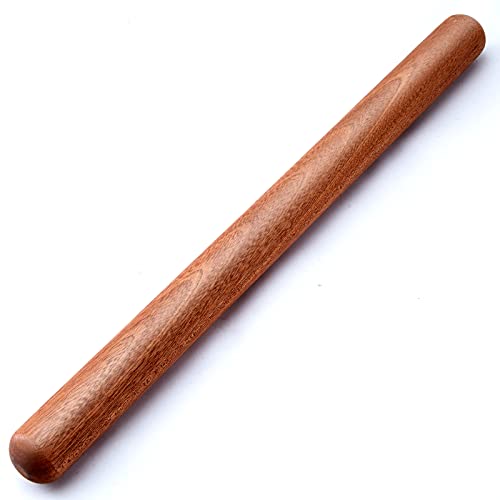
This long wooden rolling pin emphasizes natural wood texture and a classic design. The 17.7-inch length supports broader sheet formation, making it suitable for larger clay projects, fondant layers, or rolling dough-like clays across expansive surfaces. The beech wood construction is presented as demanding on wear but gentle on the hands due to the smooth burnished surface. With a 1.38-inch diameter, this pin provides stable rolling and helps maintain even thickness across wide sheets, which is helpful for creating consistent clay slabs for jewelry components or decorative panels.
Usage tips: Light, even pressure works best on wood to maintain a uniform bend and avoid gouges. For polymer clay, lightly flour the surface or use a light dusting of cornstarch to reduce sticking. Wooden pins pair well with traditional clay projects and pasta-like dough work alike, offering a familiar feel for hands-on crafting.
2Pcs Polymer Clay Roller Tools Kit
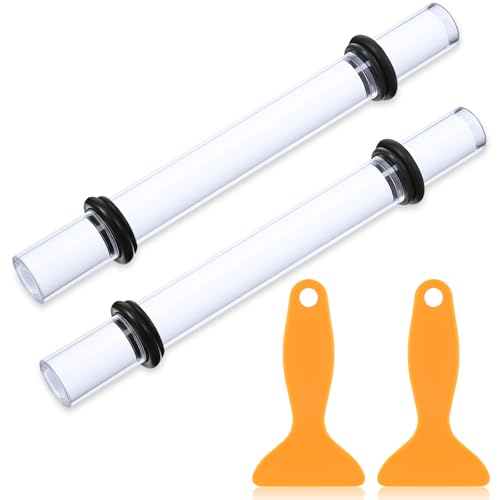
This all-in-one kit provides two rolling pins with adjustable thickness rings plus eight thin rings and additional tools like scrapers. The kit includes small and large circle guides suitable for creating varied clay embellishments, beads, and decorative elements. The adjustable rings enable precise control over sheet thickness, ensuring uniform results across multiple design elements. The included orange scrapers are multi-functional for shaping, cleaning, and detailing, turning this into a versatile option for craft studios and educational settings.
Consideration: This kit’s strength lies in its breadth—multiple rings and tools in one package reduce the need to purchase accessories separately. It’s a practical choice for students or hobbyists who want a compact, multi-tool solution that covers a wide range of clay projects without sacrificing control or precision.
Clabby Acrylic Clay Rollers Set

Clabby offers a quartet of acrylic clay rollers, each 6.49 inches long with a 0.51 inch diameter. The compact size makes them ideal for small projects, detailing, and delicate sheet work. The system emphasizes a smooth surface and easy cleaning, which helps maintain longevity with frequent clay sessions. The four-pack provides a convenient variety of rolling options, allowing artists to switch textures and thickness goals quickly without swapping components mid-work.
Practical notes: The acrylic surface is typically non-porous, minimizing clay absorption and sticking. For cleanup, soap and water are usually sufficient, and drying thoroughly helps prevent any surface tackiness before storage. The smaller size makes them especially handy for jewelry-making components and mini sculptures where precision matters.
Wooden Rolling Pin For Baking And Clay
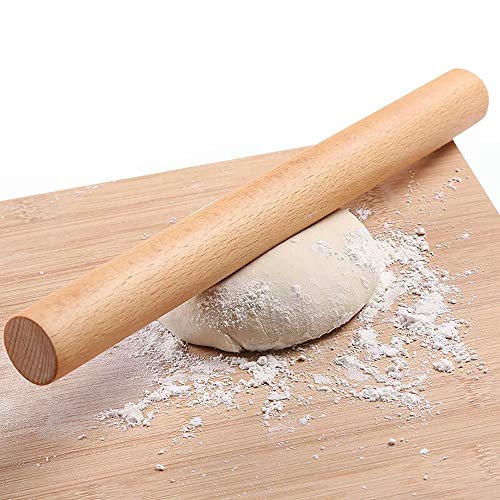
This beech wood rolling pin combines durability with comfortable handling. The wood’s burnished finish provides a smooth surface that minimizes dough or clay sticking, reducing effort during extended rolling sessions. The long 15-3/4 inch length and 1-1/4 inch diameter offer a steady rolling experience for larger clay sheets, fondant textures, or pizza-style dough if you are integrating clay and edible projects in a shared workspace. It’s positioned as a versatile tool for bakers who also dabble in clay, providing a familiar grip and reliable control.
Buying Guide: Key Purchase Considerations
- Material and surface finish: Acrylic and stainless steel offer smooth surfaces that resist sticking and are easy to clean, while wood provides a classic feel and natural grip. For polymer clay, smooth surfaces reduce marks and allow clean edges.
- Thickness control: Rolling pins with adjustable rings enable precise dough or clay thickness. Consider how many ring settings you need and whether you want ring-based adjustments or a fixed thickness with a separate gauge.
- Size and handling: Longer pins cover more surface area for large sheets; shorter pins are more maneuverable for small projects. Ergonomic handles and balanced weight reduce hand fatigue during long sessions.
- Durability and maintenance: Stainless steel and high-quality acrylic are durable and easy to sanitize, while wood requires occasional conditioning and careful cleaning to avoid cracks or warping.
- Included accessories: Some kits include blades, scrapers, dotting tools, and texture tools that complement rolling work. A complete set can be advantageous for beginners and classrooms.
- Intended use: For clay-only work, prioritize smooth surfaces, non-stick properties, and ring-assisted thickness. For mixed baking and clay use, consider a long wooden pin that performs well on both dough and clay textures.
- Storage and safety: Protective cases or boxes help keep blades and accessories secure. For acrylic tools, ensure they are free of sharp edges and stored safely to prevent injuries.
Add a Comment