Finding the right sewing machine for wig-making can streamline the process of attaching tracks, sewing lace closures, and assembling wigs with precision. This article surveys reliable machines and a specialized wig-cap accessory to help builders choose equipment that balances power, control, and ease of use. Below are five top picks that suit beginners through experienced hobbyists, followed by a practical buying guide to compare features and determine fit for your wig projects.
Summary Table of Chosen Products
- Brother XM2701 Sewing Machine — 27 stitches, automatic needle threader, 6 included feet
- XR3774 Brother Sewing and Quilting Machine — 37 built-in stitches, wide table, 8 feet
- CS7000X Brother Computerized Sewing and Quilting Machine — 70 stitches, LCD display, wide table
- Singer 4452 Heavy Duty Sewing Machine — strong motor, 110 stitch applications, metal frame
- SINGER Heavy Duty 4432 High Speed Sewing Machine — fast, 110 stitch applications, LED light
- Note: A dedicated wig-cap accessory (not a sewing machine) complements projects.
Brother XM2701: Lightweight, Versatile

The Brother XM2701 offers 27 built-in stitches, including decorative and stretch options, plus an auto-size buttonhole for quick closures. The automatic needle threader and jam-resistant drop-in top bobbin simplify setup, which is helpful when working with multiple wig layers or precision seams around lace fronts. Six included feet expand your capabilities for edge finishing, applique, and topstitching—useful for attaching wefts and securing linings in wig projects. The compact, lightweight design supports mobility between sewing stations.
SEDNEE Beginner Sewing Machine: Simple Yet Capable
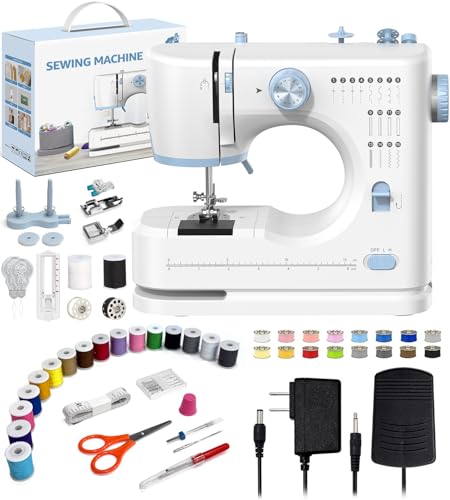
Designed for beginners, this SEDNEE model provides 16 built-in stitches and a clear threading guide. The two-speed operation and responsive foot pedal enable mindful control during wig-making tasks such as attaching closures or sewing lace caps. Its compact footprint makes it easy to store while offering enough versatility for straightforward repairs, small alterations, and basic wig construction steps.
SINGER 4452 Heavy Duty: Power For Thick Fabrics

This model emphasizes piercing power and endurance with a strong motor and metal frame, making it suitable for thicker wig materials or layered extensions. It features 110 stitch applications, including basic, stretch, decorative stitches, and a one-step buttonhole. A reliable option for projects requiring consistent performance on heavier fabrics or multiple layers often encountered in wig construction and customization.
Brother XR3774 Sewing and Quilting Machine

The XR3774 blends sewing and quilting features with 37 built-in stitches, including decorative and quilting options, plus a 1-step buttonhole. A automatic needle threader and drop-in top bobbin simplify setup, particularly when handling delicate lace or multiple layers in wig components. The wide table and multiple feet support precise seams and stable manipulation of larger wig panels and cap sections.
Brother CS7000X Computerized Sewing and Quilting

The CS7000X stands out with 70 built-in stitches and a color LCD display for quick reference—handy when following specific wig-making patterns or closures. It includes wide work surfaces, ten feet, and a quilt guide, enabling precise alignment for lace fronts and cap structures. The machine ships with a hard case for storage and transport, which helps keep accessories organized between wig projects.
Buying Guide: Wig-Making Specific Considerations
- Stitch variety and specialty stitches: Wig projects benefit from a range of stitches for finishing edges, attaching wefts, and securing lace caps. Look for machines with decorative, zigzag, and straight stitches, plus at least one-set auto-buttonhole for closures.
- Needle threader and bobbin system: Features that ease setup reduce handling time when working with delicate cap materials. A drop-in top bobbin and automatic needle threader minimize jams and mis-threading during long sewing sessions.
- Feed stability and table space: A wide table and stable base help control fabric and lace while stitching. This is important for aligning lace closures to wig caps and ensuring consistent seam allowances across panels.
- Motor power and fabric handling: Heavier wig components may require a machine with a tougher motor. A strong frame and reliable piercing power help you work with multiple layers or thicker fabrics without skipping stitches.
- Portability vs. permanence: If you move between workspaces, consider a lightweight model with a compact footprint. For a dedicated wig-making area, a larger table and included accessories may enhance comfort and precision.
- Accessories and expandability: Include a variety of feet (zipper, invisible blind hem, straight stitch) and a few bobbins. A machine that ships with an accessible set of feet reduces the need for immediate upgrades.
- Digital features vs. simplicity: Computers with LCD displays and stitch databases help with pattern replication and consistency. Beginners may prefer simpler, straightforward controls; advanced users may value programmable options.
- Reliability and support: Brand reputation and available spare parts matter for long-term use. Look for models with reputable customer support and a broad range of compatible presser feet.
When selecting a sewing machine for wig making, align features with your typical projects—whether attaching wefts, sewing lace fronts, or customizing closure guidelines. A model with strong stitching options, stable operation, and practical accessories helps ensure clean seams, precise closures, and durable wig components. Combine your machine choice with a compatible wig-cap or mesh foundation to optimize your workflow.
Add a Comment