Choosing the right sponge for staining wood can dramatically affect the smoothness, evenness, and overall appearance of a finished piece. This guide highlights five top choices designed to deliver consistent coverage, reduce lint or snagging, and accommodate various finishes—from gel stains to oil-based applications. Each product below is built to fit standard stain cans, reduce splatter, and help both beginners and DIY enthusiasts achieve professional-looking results.
Overview Table
| Product | Brand | Best For | Notable Benefit |
|---|---|---|---|
| Trimaco 10102 SuperTuff Sponge | Trimaco | Furniture, cabinets, hardwood floors | White terry cloth cover for smooth application |
| MaKRS Stain Sponge 3-Pack | MaKRS | General wood staining, multiple finishes | Divided reservoir to prevent oversaturation |
| MaKRS Stain Sponge 4-Pack | MaKRS | Larger projects, even coverage | Double-thick foam core for buttery-smooth results |
| IMPRESA Wood Stain Applicator Pads | IMPRESA | Flawless, lint-free staining | Lint-free microfiber for clean finishes |
| Ziliny Wood Staining Kit | Ziliny | Complete staining setup | Includes pads, rags, and gloves for a full workflow |
Trimaco 10102 SuperTuff Sponge: Smooth Stain Application
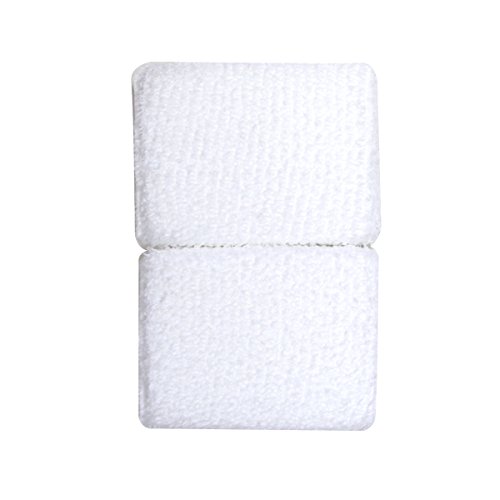
The Trimaco 10102 SuperTuff Sponge features a 4″ x 5″ foam core covered with white terry cloth, designed to deliver an even, controlled stain application across wooden surfaces. This pad is lightweight and easy to maneuver, making it suitable for furniture, cabinets, and hardwood floors. Its terry layer helps spread stain consistently while minimizing streaks, and the compact size allows for precise work on smaller panels or intricate moldings. Compatible with a wide range of finishes, this sponge aims to reduce blotching and leave a uniform tone across the project.
Key considerations: For best results, work in even, overlapping strokes and avoid overworking the same area. The white terry cloth cover can be laundered or replaced as needed. This pad pairs well with gel stains and oil-based finishes, and its design helps minimize surface picking or lint deposition on the stained surface.
MaKRS Stain Sponge 3-Pack: Consistent, Controlled Coverage

This three-pack of MaKRS stain sponges emphasizes a divided reservoir inside the sponge, designed to prevent over-saturation and reduce blotching on wood surfaces. The product is tailored to fit inside 1-quart cans, minimizing splatter during dipping and reloading. The double-thick foam core helps deliver even coverage across larger flat areas and curved edges alike, while the micro-brush over foam construction reduces lint transfer. Suitable for gel stains, water- or oil-based finishes, polyurethane, shellac, or varnish, these sponges promise a consistent, streak-free result and are easy to use for beginners and professionals alike.
Practical notes: Keep the sponge clean between applications to preserve a lint-free finish. Its design aims to prevent snagging on delicate wood textures, making it a reliable choice for furniture refinishing and cabinet work where control matters most.
MaKRS Stain Sponge 4-Pack: Large-Area, Smooth Finish
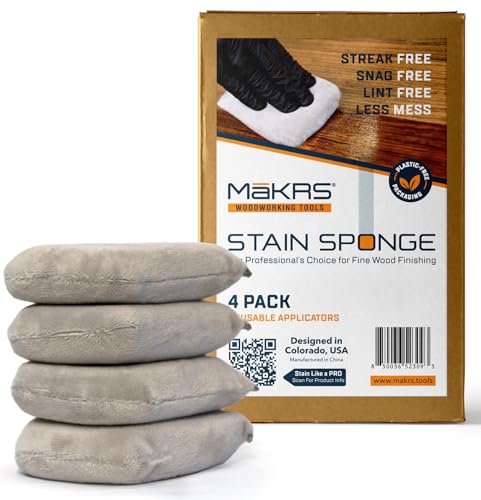
The MaKRS 4-pack builds on the success of the 3-pack with a double-thick foam core and a reservoir that minimizes over-saturation. The sponges are designed to fit a 1-quart can, helping reduce splattering during reloads. They maintain lint-free performance across gel stains, wax, and various finishes—from water-based to oil-based—supporting consistent application on larger surfaces and edges. The kit-like nature of this option makes it attractive for users tackling bigger staining jobs or multiple projects in sequence, all while maintaining an even tone and minimal streaking.
Guidance: Use multiple light passes rather than a single heavy stroke to maximize even distribution. The higher density core helps push stain into the wood fibers evenly, minimizing brush marks and lap lines on flat panels and doors.
Bates- Foam Paint Brushes: Versatile Applicators
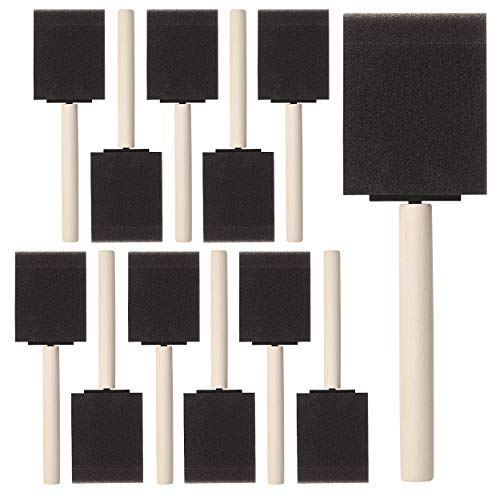
While primarily marketed as foam brushes for painting, this Bates 2-inch, 16-pack set offers values for staining projects where a light, even layer is desired, especially in tight spots and narrow frames. The foam bristles provide a gust-free, smooth application that reduces brush stroke visibility when used with urethane or varnish finishes. The wooden handles offer a traditional grip, and the dense foam ensures good coverage with fewer stroke passes. For projects requiring quick touch-ups or edge work along trim, these brushes can serve as a supplementary tool to a sponge-based approach.
Purchase planning: Pair these with a quality stain pad for larger surfaces, using the sponge for main coverage and the foam brushes for detail work and hard-to-reach areas.
IMPRESA Wood Stain Applicator Pads: Lint-Free Finish

The IMPRESA six-pack features lint-free microfiber sponge pads designed to deliver a flawless stain finish without leaving fuzz. The pads are described as highly absorbent, enabling even distribution across wood surfaces while minimizing streaks. Their reuse-friendly microfiber material makes them a sustainable choice for projects spanning multiple days or different finishes. The pads are sized for comfortable handling and are built to tolerate routine cleanings to maintain consistent results over time.
Usage tip: After staining, rinse or wash pads to remove pigment residue. Dry thoroughly before reuse to avoid introducing lint into subsequent coats.
Ziliny 60 Pcs Wood Staining Kit: Comprehensive Setup
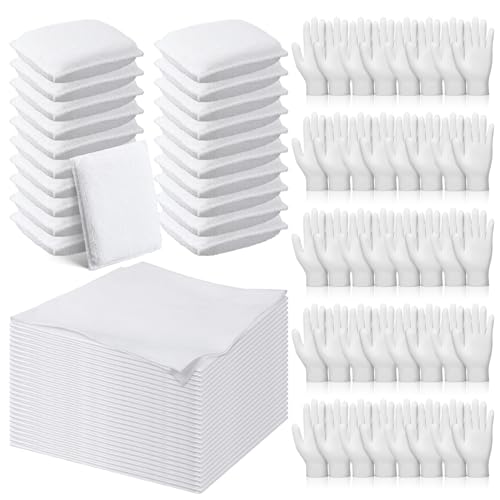
This extensive Ziliny kit offers a broad assortment: 20 wood stain applicators, 20 lint-free rags, and 20 nitrile gloves, all bundled to streamline a full staining workflow. The kit emphasizes ease of use with a complete set that covers primary steps—from application to cleanup and personal protection. The included microfiber sponge pads and rags help achieve smoother finishes across a variety of stains and oils, while the gloves protect hands during handling of chemicals. It’s a practical option for DIYers who want a single purchase to cover multiple staining tasks and projects.
Considerations: A kit like this suits both beginners and seasoned woodworkers who want a ready-to-go system. Check compatibility with the specific finishes you plan to use and ensure you have a workstation that accommodates disposable materials for cleanup.
Buying Guide: Key Considerations For Choosing Wood Stain Sponges
- Finish compatibility: Gel stains, water-based, and oil-based finishes behave differently. Look for sponges and pads designed to handle your preferred finish without lint transfer or fiber shedding.
- Application surface: For large flat surfaces like tabletops, larger or double-thick foams with a steady reservoir help maintain even coverage. For edges and intricate areas, smaller pads or foam brushes can improve control.
- Reservoir design: A divided reservoir or anti-saturation features reduce blotching and keep color even across the wood grain. This helps produce a uniform appearance with fewer passes.
- Lint-free performance: Lint-free or microfiber materials reduce fuzzy residues that can mar the finish. Reusability, cleaning ease, and durability should factor into your decision.
- Maintenance and reuse: Reusable pads save money and waste but require proper cleaning to prevent cross-contamination between finishes. Some pads are designed for repeated use with minimal shedding.
- Project scope: For small cabinets or trim work, a compact sponge may suffice; for larger furniture, consider multi-pack sponges or kits that include additional tools like rags and gloves.
- Protective gear: When using finishing products, including nitrile gloves helps protect skin. Kits that supply gloves alongside pads add convenience and safety.
- Cost vs. value: While price matters, prioritize long-term results, ease of use, and the likelihood of achieving a consistent finish over the life of the project.
In choosing among these options, consider your typical project size, the finishes you most often apply, and your tolerance for lint or streaks. A combination approach—using sponges for the bulk of coverage and detail-oriented pads or brushes for edges—often yields the best results on wood surfaces.
Add a Comment