Choosing the right tarot deck can shape a beginner’s learning curve and early confidence. This guide highlights five accessible Tarot card sets that align with the Rider-Waite tradition while offering helpful guides, clear imagery, and durable construction. Each option is suitable for learning basic meanings, upright and reversed interpretations, and beginner-friendly spreads. Explore features, visuals, and how each deck supports steady progression from novice to more confident readings.
Summary of Featured Products
| Product | Brand | Key Features |
|---|---|---|
| The Rider Tarot Deck | U.S. Games Systems, Inc. | 78 cards; classic Rider-Waite imagery; included instruction booklet |
| KLEDERY Tarot Cards for Beginners | KLEDERY | Waite-based imagery; meanings on cards; durable 350GSM cards; guidebook |
| KIINO 78 Gold Foil Tarot Cards | KIINO | Gold foil design; beginner-friendly guide booklet; durable PVC cards |
| Fofeadm Tarot Cards for Beginners | Fofeadm | Beginner-friendly guide with upright/reversed meanings; clear symbolism |
| The Original Tarot Cards Deck with Guide Book | Da Brigh | 350 gsm linen finish; 86-page guidebook; Pamela Colman Smith artwork |
The Rider Tarot Deck
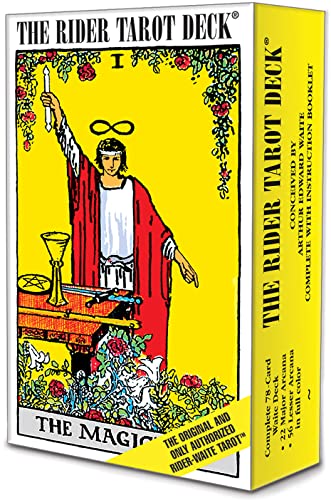
The Rider Tarot Deck from U.S. Games Systems, Inc. remains a benchmark in beginner-friendly readings. It uses the iconic Rider-Waite imagery, widely taught in introductory courses, and comes with an instructional booklet to guide new readers through upright and reversed meanings, spreads, and interpretation tips. The 78-card deck is known for its clear symbolism, enabling learners to connect archetypes with everyday situations. For beginners, this deck offers a reliable foundation that supports gradual expansion into more complex interpretations as confidence grows.
KLEDERY Tarot Cards for Beginners

KLEDERY’s beginner-friendly deck is inspired by the classic Waite system and includes meanings directly on the cards, helping new readers memorize interpretations quickly. The kit emphasizes symbolism with zodiac, elemental signs, numerology, and yes/no/maybe references to deepen understanding. The cards are 350GSM—durable for frequent use—and sized for easy shuffling, making it practical for learners who want a sturdy, self-contained learning tool with a built-in reference.
KIINO 78 Gold Foil Tarot Cards

KIINO offers an elegant deck featuring gold foil on each card, delivering a premium aesthetic while maintaining beginner-friendly usability. The included guide booklet provides straightforward explanations for both upright and reversed meanings. The cards are made from durable PVC material, waterproof and designed for long-term use, with a comfortable shuffle and reliable folding endurance. This deck combines a refined look with practical features for those starting their tarot journey and wanting a deck that ages well with continued practice.
Fofeadm Tarot Cards for Beginners

Fofeadm presents a beginner-focused deck with a guidebook that covers upright and reversed keywords, astrology, elements, and timing. The deck emphasizes clear symbolism and accessible interpretations, helping new readers quickly build confidence. The design balances traditional imagery with practical cues, and the kit includes a user-friendly layout for rapid learning. Durable production ensures the cards withstand regular practice sessions as readers move from basics to more nuanced readings.
The Original Tarot Cards Deck with Guide Book

This deck offers traditional Pamela Colman Smith artwork from 1909 on 350 gsm art paper with a linen finish, delivering a classic feel that many learners associate with traditional tarot. An 86-page guidebook explains upright and reversed meanings, plus a three-card spread and beginner-friendly tips. The combination of historical imagery, durable card stock, and a compact guide makes it a solid choice for learners who want a faithful representation of classic tarot while still having accessible learning support.
Buying Guide: Key Purchase Considerations
- Deck imagery and symbolism: Beginners benefit from clear, familiar Rider-Waite style imagery that maps easily to common meanings.
- Guidance and learning aids: Decks with built-in meanings, upright/reversed notes, or a companion booklet speed up initial learning.
- Card stock and durability: Look for sturdy paper (350–400 GSM) or PVC to withstand frequent handling and shuffling.
- Size and handling: Cards around 2.5 x 4.5 inches are easy to shuffle and comfortable to hold for most readers.
- Expansion potential: A deck that allows learning spreads and supports progressing to more advanced readings over time is advantageous.
- Aesthetics versus practicality: While elegant designs are appealing, ensure the deck remains readable and not overly ornate for beginners.
- Included extras: Instruction booklets, online resources, or guidance on spreads enhance beginner workflows.
- Budget and longevity: A mid-priced deck with durable materials often offers the best balance of value and durability for new readers.
Comparative Perspectives for Beginners
Rider-Waite-based decks are the most common entry point due to widespread teaching references. If you prefer a refined look with robust learning support, consider decks that include explicit meanings on the cards themselves or a comprehensive guidebook. For those who appreciate durability and a premium aesthetic, PVC-based or gold-foil designs offer a long-lasting option. Finally, classic linen-finish decks provide a traditional experience that aligns with historical artwork, which can be appealing to learners who want a timeless feel.
All five decks highlighted here are suitable for beginners and support a clear path from initial study to more confident practice. Your choice should align with how you learn best—whether you favor immediate in-card meanings, detailed guides, or a classic, approachable visual style.
Add a Comment