Finding an effective vinyl remover for fabric is essential for crafters, hobbyists, and small businesses that work with heat transfer vinyl (HTV) and fabric prints. The right remover dissolves adhesive while protecting fibers, colors, and textures. Below are five reliable options, highlighting how they work, best uses, and what to consider when choosing one for DIY projects, t-shirt repros, or canvas apparel.
| Product | Brand |
|---|---|
| JAOJAO Vinyl Remover for Heat Transfer Vinyl | JAOJAO Store |
| AlbaChem Heat Transfer Vinyl Letter Remover – No. 1020 | AlbaChem |
| Heat Transfer Vinyl Remover for Fabrics | Dream |
| Heat Transfer Vinyl Remover for Fabrics [2025 Updated] | Lazy Tree Store |
| Heat Transfer Vinyl Remover for Fabrics, Powerful Adhesive Removal | Unknown |
JAOJAO Vinyl Remover For HTV And Prints

JAOJAO’s vinyl remover is designed specifically for heat transfer vinyl and adhesive prints on fabrics. Its two-step process helps loosen and lift the print without excessive scrubbing. Apply the remover, wait about a minute, then gently scrape away the softened material. For complex or thicker designs, repeat as needed. The formula targets adhesives behind prints while preserving fabric integrity, making it suitable for cotton tees, canvas hats, and similar textiles. The product emphasizes a gentle approach to protect fibers, color, and texture while delivering clean results.
AlbaChem Heat Transfer Vinyl Letter Remover – No. 1020

AlbaChem No. 1020 is a dedicated vinyl letter remover that effectively eliminates vinyl letters and residual adhesives from most fabrics. The formula is designed for speed, drying quickly to minimize downtime between projects. A 20-ounce bottle with an easy-pour spout supports efficient workflow, especially for batch work on apparel towels or team gear. It targets residual adhesives without harsh scrubbing, helping users reclaim shirts and fabrics with minimal effort.
Heat Transfer Vinyl Remover For Fabrics, 125 ML
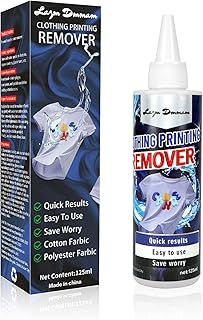
From the Dream line, this 125 ml remover is crafted to rapidly dissolve and lift adhesive residues left by heat transfer vinyl and decals. Its cautionary usage notes suggest avoiding excessive amounts on plastic sheets and considering metal sheets for longer soaks. The product markets quick results for removing stubborn residues while aiming to minimize damage to surrounding fibers, colors, and textures when used as directed. It is positioned for efficient cleanup in crafting spaces and garment restyling projects.
Heat Transfer Vinyl Remover For Fabrics [2025 Updated]

Lazy Tree Store offers an updated formula designed for rapid removal of vinyl prints and residues on fabrics. The product emphasizes quick results and strong removal power, with cautions about using appropriate amounts to prevent damage to plastic sheets or other surfaces during soaking. This option targets the same end goals as other removers: clean fabrics with minimal risk to texture or color, suitable for a variety of textiles used in everyday wear and crafts.
Heat Transfer Vinyl Remover For Fabrics, 120 ML

This product focuses on rapid action to dissolve HTV and decals without harsh scrubbing, with an emphasis on protecting textile surfaces from fading or fiber damage. It promises powerful stain and print removal while leaving little to no residue behind. The 120 ml size makes it suitable for hobby projects and small runs on shirts, hats, and other fabric items. It aims to balance efficiency with gentleness for common fabrics found in American wardrobes.
Buying Guide: Key Considerations When Choosing A Vinyl Remover For Fabric
- Fabric compatibility: Look for removers labeled as safe for cotton, polyester, blends, and delicate fabrics. Some formulas explicitly state they protect fiber structure and color.
- Type of print: HTV, plastisol, or screen-printed designs may respond differently. Choose a remover designed for the specific print type you encounter most often.
- Application method: Consider whether the product uses a two-step process, requires soaking, or relies on surface application and scraping. Simpler methods save time for small projects.
- Speed vs. safety: If you need quick results, prioritize removers that advertise rapid action. If you work with valuable garments, look for gentle formulas with clear safety notes.
- Application surface: Some removers are optimized for fabric only, while others can be used on surrounding areas or require protective barriers to avoid damage to plastics.
- Drying and residue: Check whether the remover leaves any residue or requires rinsing. A low-residue finish reduces post-cleanup work and fiber dulling.
- Volume and cost: Consider bottle size relative to your project volume. Larger bottles may offer better value for frequent use in studios or schools.
- Safety and handling: Ensure adequate ventilation and follow protective measures, as solvents can irritate skin and eyes. Look for products with clear safety instructions.
- Brand support and documentation: Some brands provide compatibility notes, application tips, and troubleshooting guides that help you achieve consistent results.
- Environmental and odor considerations: If you are sensitive to fumes, choose formulas advertised as low-odor or formulated for indoor use.
Add a Comment