Soldering wires with consistent flux content and precise diameter can improve joint reliability across electronics projects. This guide highlights five highly rated tin-lead rosin core solder wires suited for electrical soldering, with varied diameters to fit circuit boards, enclosures, and repair work. Each product features a Rosin Core flux and a Sn63 Pb37 or similar composition to ensure smooth flow and strong adhesion. Compare sizes, flux content, and melting behavior to select the best option for your project needs.
| Product | ||||
|---|---|---|---|---|
| MAIYUM 63-37 Rosin Core Solder Wire | 0.8 mm | 50 g | 1.8% | Sn63 Pb37 |
| TOWOT 63-37 Rosin Core Solder Wire | 1.0 mm | 50 g | 1.8% | Sn63 Pb37 |
| HGMZZQ 60/40 Rosin Core Solder Wire | 0.8 mm | 50 g | 2.2% | Sn60 Pb40 |
| twocorn 63/37 Rosin Core Solder Wire | 0.8 mm | 50 g | 1.8% | Sn63 Pb37 |
| AUSTOR 63-37 Rosin Core Solder Wire | 1.5 mm | 100 g | 2.0% | Sn63 Pb37 |
MAIYUM 63-37 Rosin Core Solder Wire
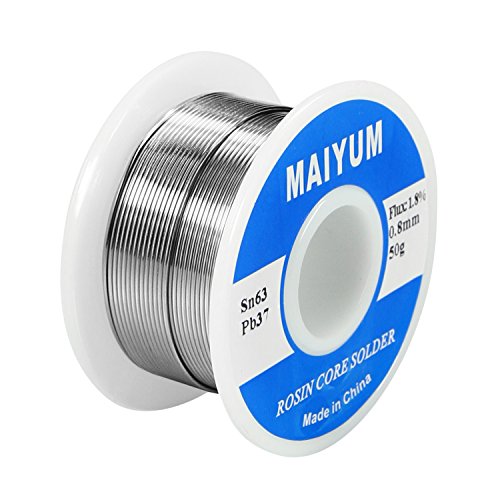
The MAIYUM solder wire uses a Tin Lead Sn63 Pb37 composition with a 1.8% rosin flux. Its diameter is 0.8 mm and it is packaged at 50 g, offering a compact, portable size ideal for pocket use and small repair jobs. The rosin flux helps improve wetting and reduces oxidation during the soldering process, assisting in consistent joint formation for electronics assembly and field fixes.
TOWOT 63-37 Rosin Core Solder Wire

From TOWOT, this 63/37 Sn-Pb solder wire is 1.0 mm in diameter with a 1.8% rosin flux content and a 50 g package. The alloy ratio provides dependable flow at moderate temperatures, yielding reliable joints with low sink-in risk. The product emphasizes smooth soldering performance and strong bond formation, making it well-suited for electronics assembly and rapid repairs where consistent results are essential.
2Pcs Solder Wire (Tiankohelan)

This offering from Tiankohelan includes two 1 mm diameter wires with rosin core flux, totaling 20 g. The lead-free composition and rosin flux produce a cleaner burn with minimal fumes, while the high purity and anti-oxidation properties support durable joints in electronics repair and assembly. Its low melting point aids rapid work, making it a practical choice for quick fixes and hobby projects.
twocorn 63/37 Rosin Core Solder Wire
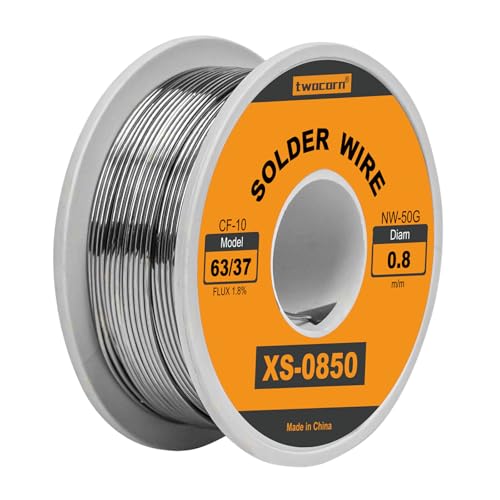
twocorn offers a 0.8 mm diameter solder wire with Sn63 Pb37 and 1.8% flux, packaged at 50 g. The composition and flux content deliver lower melting points and smooth flow, enabling faster soldering with strong, reliable joints. Its compact size is convenient for field work, repair kits, and hobby electronics that require precise, repeatable soldering performance.
AUSTOR 63-37 Rosin Core Solder Wire

The AUSTOR wire uses Sn63 Pb37 with a 2.0% flux, delivered in a 1.5 mm diameter and 100 g package. This larger diameter is appropriate for manual soldering on boards and power electronics where faster fill and quicker joint formation are beneficial. The flux assists in achieving smooth wetting and reliable mechanical and electrical connections, even in larger joints or connectors.
Buying Guide: Key Purchase Considerations
- Alloy composition: Sn63 Pb37 is a classic choice offering good flow and strong mechanical bonds for many consumer electronics. 60/40 and other ratios have different melting points and flow characteristics; select based on project temperature demands and soldering speed.
- Flux content: Rosin flux aids wetting and reduces oxidation. Typical rosin contents range from 1.8% to 2.2%. Higher flux can improve flow but may require cleaning in sensitive assemblies.
- Diameter: Smaller diameters (0.3–0.8 mm) are suitable for fine-pitch components and precision work, while larger wires (1.0–1.5 mm) can speed up larger joints but require more heat and control.
- Package weight and form factor: 50 g spools are ideal for hobbyists and field repairs; larger 100 g spools suit ongoing assembly work. Consider storage space and usage rate when choosing.
- Lead content considerations: Most traditional solders are lead-based for reliability, but lead-free options exist. Confirm compatibility with your project’s safety and regulatory requirements.
- Pad and wire compatibility: For delicate PCB work, ensure the flux and alloy promote clean joints without bridging or excessive heat. For metal-to-metal repairs, higher flux density and appropriate diameter help.
- Heat management and melting point: A typical melting point near 183°C (361°F) balances ease of use with adequate joint strength. Some 60/40 blends melt slightly earlier or later; match to your soldering iron temperature profile.
- Storage and shelf life: Rosin flux can degrade over time if exposed to moisture or air. Store in a cool, dry place and seal the package when not in use to preserve performance.
When selecting a solder wire, consider the typical projects you handle: PCB assembly, repair work, or metal-to-metal joins. For dense boards, a thinner diameter with reliable rosin flux supports finer joints. For quick fixes on power supplies or bigger connectors, a thicker diameter can speed the process while maintaining joint integrity. The five products highlighted offer varied diameters, flux levels, and alloy mixes to suit these needs while maintaining consistent solder flow and strong mechanical bonds.
Add a Comment