Answer: A 1/4″ rubber sheet is ideal for DIY gasket making, cushioning, leveling, and sealing projects. This guide highlights five top options that balance durability, flexibility, and ease of use for common home and workshop tasks. Best suited for beginners tackling simple repairs or hobby projects, and for pros needing reliable stock for ongoing jobs.
The following table compares the featured products to help you decide at a glance.
| Product | Material | Size | Best For |
|---|---|---|---|
| CYEAH 2 Rolls Rubber Sheet | Silicone Rubber | 4″ x 10′, 1/4″ thick | Gaskets, pads, sealing, outdoor use |
| MATNIKS Neoprene Rubber Sheet | Neoprene Rubber | 12″ x 12″, 1/4″ thick | DIY plumbing, cushioning, protective applications |
| Small Parts SBR Sheet | SBR | 12″ x 12″, 1/4″ thick | Abrasion resistance and general gaskets |
| WochiTV Neoprene Strips (1″ Wide) | Neoprene | 1″ x 48″, 1/4″ thick | DIY gaskets, seals, vibration dampening |
| NABOWAN Neoprene Sheets | Neoprene | 12″ x 12″, 1/4″ thick | DIY gaskets, liners, shields |
CYEAH 2 Rolls Rubber Sheet

Material and versatility: Made of durable silicone rubber, the CYEAH sheet is designed for gaskets, pads, seals, crafts, or flooring bumpers. It accepts custom cuts with scissors or a blade, helping you fit irregular spaces. Best for beginners or hobbyists who want a single sheet with broad applications.
Size and durability: 4″ wide by 10′ long, 1/4″ thick, offering a substantial working area without excessive bulk. The silicone composition supports cushioning and leveling across many surfaces.
Temperature tolerance: With a -100ºF to 400ºF range, this sheet handles both high heat and cold environments. UV resistance adds outdoor longevity, making it a solid choice for exterior experiments or DIY projects.
Who should choose this: Ideal for DIY enthusiasts who need a flexible, heat-tolerant sheet for gaskets, seals, or protective pads. It’s also useful for temporary spacers or levelers in workshop setups.
Caution: Cutting a 1/4″ thick sheet requires a sharp blade and steady hands to achieve clean edges; uneven cuts can affect gasket performance.
MATNIKS Neoprene Rubber Sheet

Material and durability: This heavy-duty neoprene sheet (12″ x 12″, 1/4″ thick) offers strong durability with high-quality rubber characteristics. The 60A hardness provides structural integrity for DIY projects that require stiffness and resilience.
Best use cases: Suitable for plumbing gaskets, seals, and protective liners. Its wear resistance helps in abrasion-prone areas and applications where a stable, long-lasting rubber layer is needed.
Who should choose this: Contractors or serious DIYers who need a stable neoprene sheet for gasket material, surface protection, or vibration dampening in machinery or plumbing setups.
Limitation: The sheet is sized at 12″ x 12″, which may require joining or trimming for larger projects; plan layout to minimize seams.
Small Parts SBR Sheet

Material and properties: SBR (Styrene Butadiene Rubber) sheet in 0.25″ thickness provides good abrasion resistance and wear protection. The black color is typical for industrial uses and can blend with most setups.
Best for: General-purpose gaskets, seals, and protective pads where moderate hardness and durability are desired. Its 70 Shore A hardness helps resist surface penetration while maintaining flexibility.
Who should choose this: Shop owners or hobbyists needing a cost-effective, availability-friendly rubber sheet for everyday sealing and lining tasks.
Limitation: No backing on this sheet; users may require adhesive or mechanical fastening to secure it in place.
WochiTV 1″ Neoprene Strips

Material and versatility: Solid neoprene rubber strips with both smooth sides, offering oil, weather, tear, and aging resistance. They also provide flame retardant properties and broad temperature tolerance, making them robust for many DIY uses.
Best use cases: Lining, sealing joints, plumbing, and wear-resistant strips. Good cushioning helps absorb impacts in machines or furniture setups, reducing vibration and noise.
Who should choose this: Ideal for projects requiring a narrow but long strip, such as gasket edges, cabinet seals, or vibration dampening around small appliances.
Caution: Neoprene strips of 1″ width may require precise cutting to ensure a tight seal; ensure compatibility with mating surfaces before installation.
NABOWAN Solid Rubber Sheets
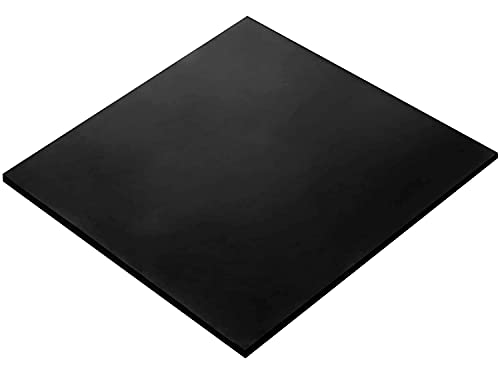
Material and design: Neoprene sheets with smooth sides, 1/4″ thick, sized 12″ x 12″. The composition balances durability and flexibility for a broad range of DIY demands.
Best use: Gasket material, liners, shields, padding, and protective mats. The neoprene form supports oil resistance and noise reduction in practical applications.
Who should choose this: Individuals replacing damaged rubber in equipment or looking for a reliable all-purpose neoprene sheet for sealing and protection tasks.
Limitation: The 12″ x 12″ size may require multiple sheets for larger projects; plan layout and seam management accordingly.
Buying Guide: Choosing The Right 1/4″ Rubber Sheet
- Material type: Silicone, neoprene, or SBR each bring different temperature tolerance, oil resistance, and flexibility. Silicone excels in temperature extremes and outdoor use; neoprene is versatile for oil resistance and dampening; SBR offers abrasion resistance at a lower cost.
- Thickness and size: 1/4″ thickness is standard for cushioning and sealing. Choose width and length to minimize seams in larger projects; consider pre-cut shapes if available.
- Application considerations: For gaskets and seals, look for steady compression and low compression set. For dampening, prioritize rigidity and resilience. For outdoor use, UV and weather resistance matter.
- Ease of fabrication: Sheets that cut cleanly with scissors or knives save time; smoother edges improve gasket performance and reduce edge fray.
- Durability vs. cost: Neoprene and silicone offer longer lifespans in challenging environments but at higher cost. SBR provides good wear resistance at lower price points.
FAQs
- What is the main difference between neoprene and silicone sheets?
– Neoprene is versatile for oil resistance and impact damping, while silicone handles extreme temperatures and UV exposure better. - Can I cut these sheets with household scissors?
– Yes, most 1/4″ thick sheets can be cut with sharp scissors or a utility knife, but a precision blade helps with clean edges. - Which sheet is best for outdoor gaskets?
– Silicone-based sheets are typically best for outdoor use due to UV and temperature resistance. - Are these sheets suitable for plumbing seals?
– Neoprene and SBR sheets are commonly used for seals and gaskets in plumbing; check chemical compatibility for specific liquids. - Do these sheets require adhesive to stay in place?
– Some installations use adhesive or mechanical fasteners; others rely on tight compression or pre-fomed gaskets. Plan accordingly. - What should I consider for DIY wheel or furniture protection?
– Use a thicker, wear-resistant sheet like neoprene for impact absorption and surface protection.
Add a Comment