Find the right resin molds to produce precise, high-quality parts and prototypes. This guide highlights five Amazon options that excel in heat resistance, detail, and mold durability. It’s ideal for makers working with vulcanized rubber processes, silicone mold making, or detailed resin casts. Each option targets a distinct buyer: professional mold makers, hobbyists seeking reliable results, and those aiming for high-temperature applications. The summary table below helps you compare at a glance.
| Product | Brand | Best For | Key Benefit |
|---|---|---|---|
| Siraya Tech Sculpt High-Temp Resistant 3D Printer Resin | Siraya Tech | Durable injection molds & high-temp parts | 180°C resistance for vulcanized rubber casting |
| AmeraLabs SiOmaster High Precision 3D Printer Resin | AmeraLabs | Precise silicone mold masters | Withstands high temperature and maintains detail |
| RESINWORLD Skull Resin Molds (Set) | ResinWorld | Flexible, clear silicone molds | Crystal-clear silicone for easy demolding |
| Siraya Tech Defiant 10 Platinum Silicone Mold Kit | Siraya Tech | Flexible silicone molds | Ultra-flexible, low curing inhibition |
| BBDINO Platinum Silicone Mold Kit 10A | BBDINO | Beginner-friendly silicone molding | Anti-cure inhibition silicone for 3D prints |
Siraya Tech Sculpt High-Temp Resin for Molds

Best for high-temperature injection mold prototypes and vulcanized rubber processes. Sculpt Grey resin provides 180°C resistance, helping maintain part shape during molding. It’s ideal for durable masters and mold-ready components when heat is a critical factor.
Who this is for: professional mold makers and tall-tolerance testers needing heat-stable master parts. Why selected: strong temperature resistance combined with good surface finish reduces post-processing time.
Caution: performance depends on printer calibration and post-processing; overheating beyond recommended limits may affect dimensional stability.
AmeraLabs SiOmaster High Precision Resin
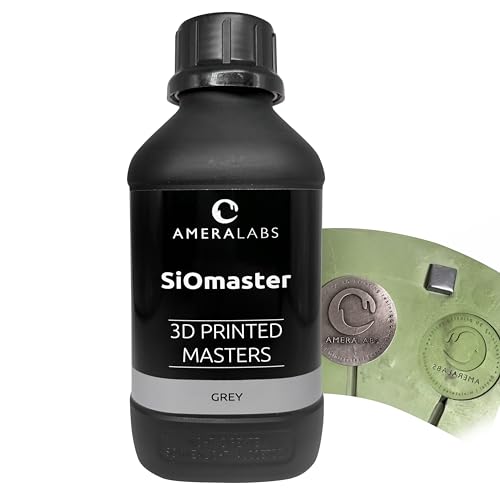
Best for precise silicone mold masters that endure high-temperature vulcanization. SiOmaster resin prints hard-surfaced, highly detailed models that hold shape during processing, making it suitable for 4K/8K/12K printer setups that demand fidelity.
Who this is for: technicians and hobbyists focused on silicone mold production with strict dimensional accuracy. Why selected: its high-temperature tolerance preserves fine details through vulcanization cycles.
Caution: resin performance hinges on proper curing and handling to avoid warping during mold creation.
RESINWORLD Skull Silicone Molds Set

Best for decorative resin projects, Halloween crafts, and decorative home pieces. The set includes large, medium, and small silicone skull molds in transparent silicone, enabling easy demolding and visibility during casting.
Who this is for: crafters and small studios seeking flexible, clear molds for intricate skull designs. Why selected: multiple sizes provide versatility for different project scales.
Caution: translucent silicone requires careful cleaning to avoid residue affecting future casts.
Siraya Tech Defiant 10 Platinum Silicone Kit
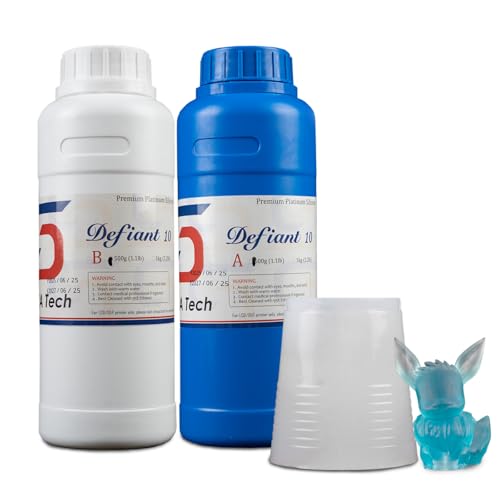
Best for ultra-flexible silicone molds with minimal post-processing. Defiant 10 offers a Shore hardness of 10A, curing reliably with resistance to UV resin curing inhibition, making it suitable for tiny, detailed molds like miniatures and fine casting.
Who this is for: mold makers needing very soft, detailed molds that cure cleanly with resin. Why selected: low curing inhibition and high flexibility extend mold life for repeated uses.
Caution: working with platinum silicone requires proper mixing and timing to maximize cure quality; follow the kit’s instructions for best results.
BBDINO Platinum Silicone Kit 10A

Best for beginners and versatile 3D printing projects. The 10A silicone kit is anti-cure-inhibition, blends easily, and cures in 3–5 hours at room temperature, with a 30–40 minute working time for efficient sessions and quick production cycles.
Who this is for: new mold makers seeking straightforward, forgiving silicone kits. Why selected: anti-cure inhibition helps reduce print-resin issues during molding.
Caution: while easy to use, maintaining consistent mixing ratios is important for optimal results; improper ratios can affect cure quality.
Buying Guide: Key Considerations for 3D Print Resin Molds
What matters most when choosing resin molds for 3D printing? Consider material compatibility with your resin and curing method, temperature tolerance, flexibility, and demolding ease. Also assess the intended use—high-temperature vulcanization, detailed miniatures, or decorative pieces—to select a resin or silicone kit that aligns with your workflow.
What temperature range do I need?
Choose resins labeled for high-temperature resistance (typically up to 180–200°C) if your process includes vulcanization or heat exposure during molding. Silicone kits with higher durometers or flexible blends are better for repeated use in hot environments.
Should I prefer resin or silicone molds?
Resin molds suit rigid, high-detail parts and master pieces, while silicone molds offer flexibility, easier demolding, and longer lifespan for repeated casts in resin or silicone casting.
How important is cure inhibition resistance?
For resin molds that sit against silicone or other resins, cure inhibition can be a major issue. Kits designed to resist inhibition reduce defects and improve mold reliability, especially with UV-curing resins.
What about demolding and finish?
Transparent or clear silicone molds enable visibility during casting, which aids demolding without damage. Surface finish matters for post-casting aesthetics and reduces polishing time.
What is the best workflow for beginners?
Start with a beginner-friendly silicone kit that provides clear mixing guidelines and room-temperature cure times. Practice with small test casts before scaling up to larger or more complex molds.
How do I compare long-term value?
Evaluate mold life, ease of de-molding, and the cost per cast. Kits rated for multiple uses with higher tear resistance generally offer better long-term value for repetitive production.
FAQs
- Q: What resin is best for high-temp mold masters? A: Resins marketed for high-temperature resistance (around 180°C) are preferred for heat-exposed molds.
- Q: Can I reuse silicone molds for metal casting? A: Some silicone molds can handle certain metals, but check the kit’s limits and cure compatibility.
- Q: Do I need special equipment for curing? A: Most silicone kits cure at room temperature; some resins benefit from controlled curing environments to minimize bubbles.
- Q: How do I prevent bubbles in silicone molds? A: Degassing and slow pouring help; some kits are formulated to reduce curing inhibition and bubble formation.
- Q: How long do molds last? A: Lifespan depends on usage, material, and care. Flexible silicone molds typically endure more pulls, while resin masters can wear with repeated use.
Add a Comment