When you need reliable 4×6 paper, choose products designed for crisp printing, sturdy card stock, and versatile uses. This guide highlights five top options suited for invitations, cards, quick notes, and small prints. Each choice targets different buyer needs—from bulk classroom use to premium weight for formal cards. The table below compares the key points to help you pick quickly.
| Product | Best For | Weight / Size | Notes |
|---|---|---|---|
| TEETOOKEA 100 Pack 4×6 White Cardstock | Everyday crafting and printing | 92lb / 250GSM | Sturdy for postcards and invitations |
| SUMERX White Cardstock 4×6, 100 Sheets | Gift cards and photos | 200 GSM | Matte finish, low bleed-through |
| Smanzu White Cardstock Paper, 50 Pack 4×6 | Bulk daily use | 92lb / 250GSM | Bulk pack for offices |
| Amazon Basics Blank Index Cards 4×6, 1000 Count | Study aids and notes | Blank, 4×6 | Plain white, two-sided |
| Desktop Publishing Supplies Premium 32lb Bond 4×6 Sheets | Memo sheets and light crafts | 32lb bond (120 gsm) | Bright, thicker than standard copy paper |
The following sections dive into each product’s strengths, best-use scenarios, and practical cautions, helping you choose with confidence.
TEETOOKEA 100 Pack 4×6 White Cardstock

Best for: Creative cards, invitations, and printing projects that demand durability. This product is made from 92lb/250GSM white cardstock, which resists bending and tearing. It’s suitable for a variety of applications, including postcards and thank-you cards, making it a strong all-around choice for home crafters and small businesses.
Why selected: High weight delivers professional-feeling results, robust fold integrity, and cleaner prints when using both laser and inkjet printers. The thickness helps prevent ink bleed-through with standard inks used on 4×6 formats.
Limitation: Heavier stock may be less compatible with very light-weight printer feeders or requiring specific print settings, so check your printer’s media capacity before printing a large batch.
SUMERX White Cardstock 4×6, 100 Sheets

Best for: Invitations, greeting cards, and announcements where a matte, slightly heavier stock is desired. The 200 GSM weight provides a sturdy feel without being overly rigid, reducing warping on simple card designs.
Why selected: Its heavier weight and matte surface resist show-through, which is ideal for double-sided printing and photo-like images on a 4×6 canvas. This makes it a reliable option for office-to-home transition projects.
Caution: Although versatile, this stock is still a solid sheet; avoid using it in printers that curl stock easily if feed is not properly aligned.
Smanzu White Cardstock Paper, 50 Pack 4×6

Best for: Bulk daily-use needs in classrooms or offices, where 50 sheets per pack keeps costs down and supplies steady for ongoing projects.
Why selected: With 92lb/250GSM stock, this option balances durability and print quality, making it a practical choice for general-purpose labeling, notes, or simple card designs.
Limitation: Bulk buyers should confirm compatibility with their specific printer model to avoid feeding issues or skew when handling many sheets at once.
Amazon Basics Blank Index Cards 4×6 (1000 Count)

Best for: Studying, flash cards, and quick notes. The blank, two-sided surfaces on 4×6 cards offer maximum writing area for outlines, memory aids, and presentation notes.
Why selected: A beginner-friendly, cost-effective option for frequent need-based use in schools, offices, or homes. The crisp white surface supports various inks without feathering, depending on writing instruments.
Limitation: As these are plain cards, they lack any lines or grids; you’ll need to add your own layout or guidelines if you require structure for notes.
Desktop Publishing Supplies Premium 32lb Bond 4×6 Sheets
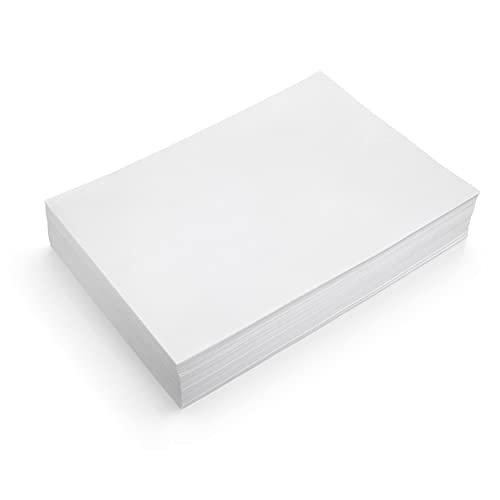
Best for: Memo sheets, scratch notes, or higher-contrast prints where a slightly thicker paper stock is preferred over standard copy paper.
Why selected: The 32lb bond stock (about 120 gsm) offers a noticeable thickness without bulk, giving a more substantial feel to 4×6 notes and memos. It also features a high brightness suitable for hiding underlying text on subsheets.
Limitation: For very colorful or photo-heavy designs, the bond stock may not render color as vividly as heavier cardstock; test a sample before mass printing.
Buying Guide: Key Considerations For 4×6 Paper
- What will you primarily use the 4×6 sheets for? If you need cards and invitations, prioritize higher GSM cardstock. For notes and memos, lighter bonds may suffice.
- Printer compatibility: Check printer feed guides and recommended media types. Heavier stock can jam some home printers if the tray isn’t set for thick stock.
- Finish and texture: Matte finishes reduce glare, which is ideal for scans and photos; glossy or bright white surfaces enhance color output but may require specific inks.
- Durability vs. flexibility: Heavier weights resist bending but can be less forgiving in fine print jobs; lighter weights fold easily but may show through when printed on both sides.
- Bulk needs: If you print often, a bulk option (like 1000-count cards) may reduce per-sheet costs and simplify replenishment.
Practical Tips For Using 4×6 Paper
- Test print on a single sheet before mass printing to confirm bleed, alignment, and color accuracy.
- Use the correct print settings: choose appropriate media type (cardstock, heavy paper) and adjust brightness and contrast if your printer offers it.
- Store unused sheets flat and away from moisture to prevent warping or curling.
- Match the paper weight to your project: heavier stock for keepsakes, lighter stock for drafts or large-scale notes.
Frequently Asked Questions
- What is the best weight for printable 4×6 cards?
The best weight depends on the project: 200 GSM or 92 lb is versatile for postcards and invitations; 120 gsm to 160 gsm can work for memos and light crafts. - Can these 4×6 papers work with inkjet printers?
Yes, several listed options are designed to be compatible with both laser and inkjet printers, but always verify your printer’s media compatibility. - Are these sheets suitable for photos?
Some options have heavier or matte stock ideal for photos, while others are plain card stock best for text and simple graphics. - Is bulk cardstock better than multiple smaller packs?
Bulk packs reduce per-sheet costs and ensure you won’t run out mid-project, especially for frequent use. - Should I choose deckle edge or smooth finish?
Deckle edge adds a vintage touch, while smooth finishes provide cleaner printing and easier writing surfaces.
Add a Comment