Answer: A curated list of top antique white wood stains and finishes suited for furniture, cabinets, and trim. This guide helps buyers choose finishes that deliver a vintage white look with durable color and even coverage. Best for DIYers seeking quick-dry options, spray stains for detail work, or versatile whitewash effects. The following picks are ideal for interior wood projects and provide clear guidance on application, limitations, and ideal use cases.
| Product | Best For | Notes |
|---|---|---|
| Varathane Premium Fast Dry Antique White Wood Stain | Furniture, cabinets, doors | One-coat coverage, oil-based |
| Varathane White Oak Wood Stain | General white-toned staining | Water-based, low odor |
| Varathane Premium Fast Dry Antique White Wood Stain Spray | Intricate pieces, edges, corners | Fast coverage, spray format |
| Varathane 355305 Whitewash Wood Enhancer | Whitewash effects, textures | Multi-surface, versatile looks |
| Minwax Color Wash Transparent Layering Color, White Wash | Layering color and aged look | Dries quickly, buildable color |
Varathane Premium Fast Dry Antique White Wood Stain
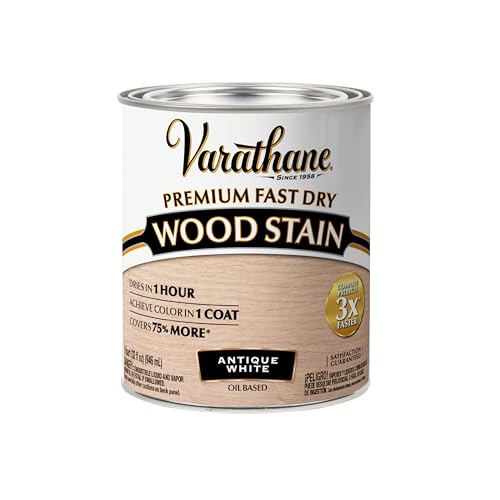
Best For: interior wood projects where a durable antique white finish is needed on furniture, cabinets, doors, trim, and paneling. This oil-based stain offers one-coat coverage and dries to the touch in about an hour, with coverage up to 275 square feet. Choose this if you want a traditional oil-based stain with fast drying for quick projects.
Why selected: It provides a robust antique white tone with convenient fast-drying characteristics. The one-coat coverage simplifies application on larger surfaces, reducing number of coats and labor.
Caution: Oil-based formulas may require adequate ventilation and mineral spirits for cleanup. Ensure surface is properly prepared for best adhesion and color consistency.
Varathane White Oak Wood Stain

Best For: users seeking a low-odor, low-VOC white stain with a rich color in one coat on most surfaces. This water-based stain is easy to apply and can be darkened with additional coats. Ideal for those who prefer a greener option and simpler cleanup.
Why selected: The water-based formulation reduces odor and cleanup time while delivering an even color that preserves wood grain. It supports customization through layering to achieve deeper tones.
Caution: Multiple coats may be needed for very dark results; avoid overworking in a single area to prevent blotching on soft woods.
Varathane Premium Fast Dry Antique White Wood Stain Spray

Best For: projects requiring rapid coverage on interior furniture, cabinets, doors, and hard-to-reach areas. The spray format is convenient for intricate details and tight corners. Suitable for quick updates or small refinishing tasks.
Why selected: The spray stain can complete projects up to three times faster than brush stains, with up to 40 square feet per can coverage. It excels where brush application is impractical.
Caution: Spray stains can be messier to control on large flat surfaces and may require masking and ventilation. Some users may need multiple light coats for even color on porous woods.
Varathane 355305 Whitewash Wood Enhancer
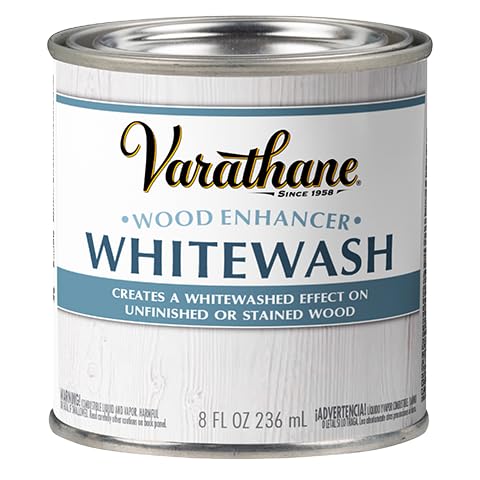
Best For: achieving modern farmhouse or shabby chic looks with whitewashed effects. This product is versatile enough to be applied over bare wood or a stain layer to adjust depth and texture. Great for walls and furniture alike.
Why selected: This product supports wide creative options, from subtle to bold whitewash, while delivering a rich, even color over large surfaces. It helps create durable, aesthetic whitewashed finishes.
Caution: Suitable for multiple surfaces; test on hidden areas to confirm the intended appearance on different woods and grains.
Varathane Less Mess Whitewash Wood Stain & Applicator

Best For: crafts and small projects where ease and cleanliness are priorities. The 2-in-1 formula combines stain and applicator for a mess-free workflow, with a water-based, low-odor option.
Why selected: The integrated applicator streamlines touch-ups and small-scale renovations, making it well-suited for beginners or quick refurbishments. It preserves natural grain while adding a whitewashed tint.
Caution: For larger projects, this option may be slower than larger-volume stains and may require multiple coats to achieve deeper color.
Minwax Color Wash Transparent Layering Color, White Wash Pickling Stain
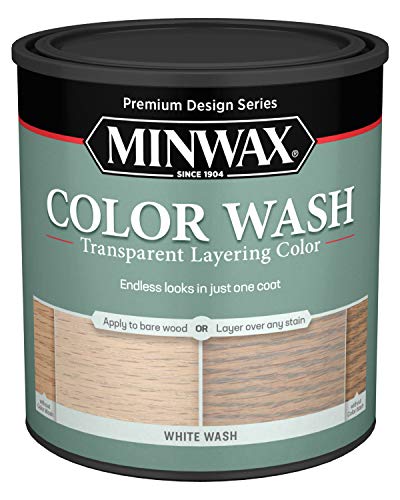
Best For: adding a light, aged character to bare or pre-stained wood with easy application over either oil or water-based stains. Dries in about an hour, with layering capabilities for deeper looks.
Why selected: Minwax Color Wash provides a transparent layering option that allows precise control over the final shade. It works well for projects aiming for a subtle antiqued effect without full opacity.
Caution: This product is a layering color, so results depend on the underlying stain; test on a scrap piece to gauge final color depth before committing to a large surface.
Buying Guide
What to consider when choosing antique white wood stain
- Finish type: Oil-based stains offer rich color and durability but require longer drying and stronger ventilation. Water-based stains are low odor, easy cleanup, and quicker to dry, though color depth may vary by wood type.
- Coverage and coats: Some products claim one-coat coverage, others require multiple coats for deep color. Decide based on desired depth and project size.
- Application method: Brushes, rollers, spray cans, and 2-in-1 applicators cater to different project scales. Sprays are faster for intricate details; brushes offer control on larger surfaces.
- Drying time: Quick-dry formulas reduce downtime but may require precise temp/humidity conditions for best results. Allow adequate cure before final use.
- Wood type and pore structure: Softer woods absorb stain differently; test color on a sample piece to confirm hue and evenness before full application.
- Color depth and layering: Whitewash and pickling stains allow layering for lighter or more distressed looks. Build color gradually for control.
- Cleanup and safety: Consider ventilation, masking for nearby areas, and the required solvents for cleanup based on stain type.
Frequently Asked Questions
- What is the difference between whitewash and pickling stains? Whitewash aims for a light, translucent look that lets the grain show, while pickling stains often provide a slightly deeper, aged effect.
- Can I use antique white stains on already finished furniture? Yes, but tests on inconspicuous areas are recommended to ensure adhesion and color results match expectations.
- Is a topcoat necessary after staining? For most interior projects, a protective clear coat (polyurethane, polycrylic) helps preserve color and durability.
- Which stain is best for oak or pine? Water-based options are generally easier to work with on porous woods; oil-based stains can yield richer color on oak with proper preparation.
- How many coats should I apply to achieve antique white? Start with one coat and assess; additional coats can deepen the color or achieve an opaque look, depending on the product.
- Are whitewash finishes suitable for outdoor use? Most whitewash products are designed for interior use; check product specifications for exterior compatibility and sealing requirements.
Add a Comment