Whether you’re dyeing clothing, crafts, or home décor, burnt orange fabric dye is a bold choice that adds warmth and depth. This guide highlights five top Amazon dyes that work well on synthetic and natural fibers, with practical notes on best uses, suitability, and limitations. Ideal buyers include DIY crafters, fashion upcyclers, and hobbyists seeking vibrant, long-lasting color or specialty effects.
| Product | Best For |
|---|---|
| Rit All-Purpose Liquid Dye, Canyon | General fabric coloring on cotton, linen, silk, wool, and blends; home décor and upcycling projects |
| Rit Dye – Liquid Fabric Dye for Crafting – Marigold | Bright, bold projects; beginners and crafters creating colorful apparel or décor |
| Rit Dye Liquid – Canyon (8 oz) | Wide range of fabrics and tones; easy to refresh faded colors |
| Jacquard Acid Dyes Burnt Orange | Silk, wool, and other protein fibers; vibrant, colorfast results |
| Qualia Synthetic Fabric Dye | Synthetic fabrics like polyester, nylon, spandex; long-lasting, ultra-concentrated color |
Note: Each product below includes a clear “best for” statement and a practical limitation to help you choose confidently. If you’re new to dyeing, start with an all-purpose dye like Rit Canyon to learn color control, then explore specialty dyes for synthetic fabrics or light-fast results.
Rit All-Purpose Liquid Dye, Canyon

This dye provides vibrant color on a wide range of fabrics, including cotton, linen, silk, wool, rayon, ramie, and even nylon. It is also noted for coloring non-fabric materials like wood, wicker, paper, and cork. Best for: general color refreshes and broad-ciber projects where polycotton or natural fibers are involved. Limitation: performance on 100% synthetic fabrics may vary, so test a swatch first if you’re dyeing nylon or other blends.
Rit Dye – Liquid Fabric Dye for Crafting – Marigold

Marigold offers a bold, warm orange ideal for bright accents and playful projects. Best for: beginners and crafters seeking an easy, forgiving dye with many color options for mixing. Limitation: the inclusion of gloves and detergent hints at a straightforward process, but achieving precise tones may require careful temperature control and timing.
Rit Dye Liquid – Canyon (8 Oz)

With a wide color range, this 8 oz bottle supports tie-dye, ombre, dip-dyed, marbled, and shibori styles. Best for: projects that call for layered color effects on clothing, shoes, or home décor. Limitation: as with many Rit products, performance varies by fabric type; polyester and some synthetics may require pre-treatment or different dyeing methods for best results.
Jacquard Acid Dyes Burnt Orange

Designed for protein fibers, this highly concentrated powder yields extremely brilliant, colorfast burnt orange on silk, wool, and similar materials. Best for: dyeing natural fibers where a vibrant, long-lasting hue is essential. Limitation: not suitable for plant-based fibers like cotton or linen without different dye systems; requires acid dye methods and appropriate safety measures.
Qualia Synthetic Fabric Dye

Qualia is tailored for synthetic fabrics, including polyester, spandex, lycra, viscose, and nylon. It offers ultra-concentrated colors for long-lasting results and efficient processing, with practical use up to 1200g of fabric in about 30 minutes. Best for: reviving color on synthetic garments and accessories where fade and wear are common. Limitation: not ideal for natural fibers or blended fabrics if you’re aiming for a fully natural dye result.
Jacquard SolarFast Dye – Burnt Orange
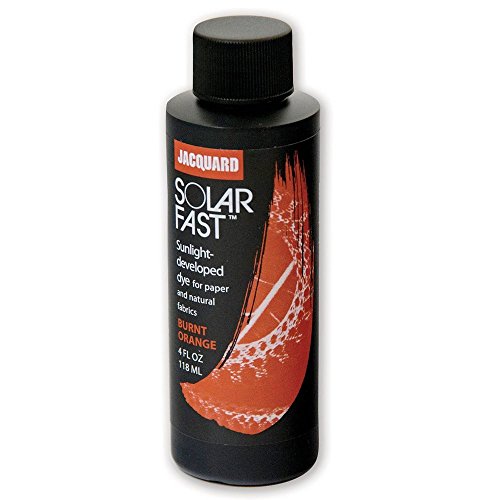
SolarFast dyes are designed for sun exposure to develop color, making them suitable for photograms and other sun-powered art. Best for: artists and crafters who want permanent color on fabric or paper without heat setting. Limitation: requires sunlight or a controlled UV source to develop color; timing and exposure can vary with weather and latitude.
Buying Guide: How to Choose the Right Burnt Orange Fabric Dye
What fiber are you dyeing? If you work mostly with natural fibers (cotton, linen, silk, wool), all-purpose Rit Canyon and Jacquard Acid Dyes provide reliable results. For synthetic fabrics (polyester, nylon, spandex), Qualia synthetic dyes or Rit’s broad line can offer deeper, longer-lasting tones. If your project involves delicate or unique materials, test a small swatch first to calibrate shade and colorfastness.
Color goals and dye method
Decide whether you want solid color, ombré, or patterning. Tie-dye and shibori techniques often perform best with liquid dyes that mix easily. For photograms and sun-activated art, Jacquard SolarFast offers a unique, UV-driven color development.
Fabric care and colorfastness
Consider how the dyed item will be used. Clothing may require washing fastness, while home décor may benefit from color stability under light exposure. Protein fibers typically hold bright colors well with acid dyes; cotton and other plant fibers respond best to all-purpose or fiber-reactive dyes.
Ease of use and safety
Read packaging instructions, including water temperature and detergent guidance. Some dyes come with gloves or safety notes; handle concentrated powders with care and follow dyeing safety best practices, especially when working with multiple products.
Maintenance and repeatability
For best results over time, document dye ratios and fabric types used for each project. If you plan multiple projects, choose a dye line that offers a broad color range and consistent results across batches.
Quick tips for better results
- Test dye on a fabric swatch before committing to the full project.
- Stir or agitate evenly to prevent streaks and uneven tones.
- Rinse thoroughly in cool water until the water runs clear to minimize color bleed.
Frequently asked questions
- What fabrics can I dye with burnt orange dyes? Most dyes work on cotton, linen, silk, wool, and synthetic blends; check the product’s fiber compatibility on the label.
- Do I need a pre-dye wash? Yes, pre-washing fabric helps remove finishes that can block dye absorption.
- Can I mix dyes to create a custom burnt orange shade? Yes, blending dyes from the same brand line is common for achieving specific hues.
- Will dyeing fade over time? Colorfastness varies by fiber and dye type; synthetic dyes generally offer longer-lasting color on synthetics, while natural fibers may fade with frequent washing.
- How long does dyeing take? Time varies by dye type and project; follow product-specific guidance, usually within 30–60 minutes for many liquid dyes.
Add a Comment