Answering the common question, these cone 5–6 glazes are ideal for mid to high-fire pottery when you want color, depth, and predictable layering. This guide highlights five reliable options and explains who each is best for. Whether you’re building a glaze palette for dinnerware, decorative pieces, or sculptural work, these choices offer distinct effects and easy-to-follow usage notes. The selections emphasize mid-fire compatibility, clear layering, and food-safe considerations where noted. Use the buying guide and FAQ to compare options quickly and choose confidently.
Quick product snapshot
| Product | Best For | Key Benefit |
|---|---|---|
| AMACO PC-17 Honey Flux | Layering over other glazes | Creamy, honey-toned with white shift at higher cone |
| AMACO PC-42 Seaweed | Deep green textures | Fluid glaze that layers and breaks with texture |
| AMACO PC-20 Blue Rutile | Blue, dynamic surfaces | Active flow with blue hues that break brown when thinner |
| Penguin Pottery Clear | Glossy surfaces over slips or underglazes | Zinc-free, food-safe, enhances texture |
| Penguin Celadon Tangerine | Bold color accents | Glossy orange with depth for mid-fire pieces |
AMACO Potter’s Choice Glaze PC-17 Honey Flux

Best for layering over other glazes to achieve a creamy, honey-like appearance with a possible white shift at Cone 6. Apply to Cone 04 bisque and fire to Cone 5–6. This glaze is suited for mid-to-high fire projects where a warm, soft glaze over textures or slips is desired. It is a mid-high fire option within the Potter’s Choice line, making it a reliable choice for consistent results.
Who this is for: potters seeking a subtle, warm glaze to layer over dark or textured bases. Limitations: may require careful thickness control to prevent running on thinner sections.
AMACO Potter’s Choice Glaze PC-42 Seaweed
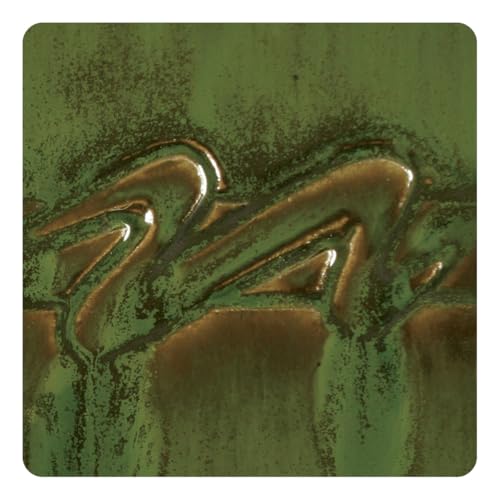
Best for deep green surfaces with a fluid texture and beautiful breaking effects as thickness varies. Apply to Cone 04 bisque and fire to Cone 5–6. Seaweed tends to darken and settle into organic greens when layered, offering a natural look for bowls, vases, and decorative pieces. It performs well in layered configurations and responds nicely to brush or dippins.
Who this is for: artists wanting rich green tones and texture. Limitations: glaze thickness must be monitored to avoid unintended runs on kiln shelves.
AMACO Potter’s Choice Glaze PC-20 Blue Rutile
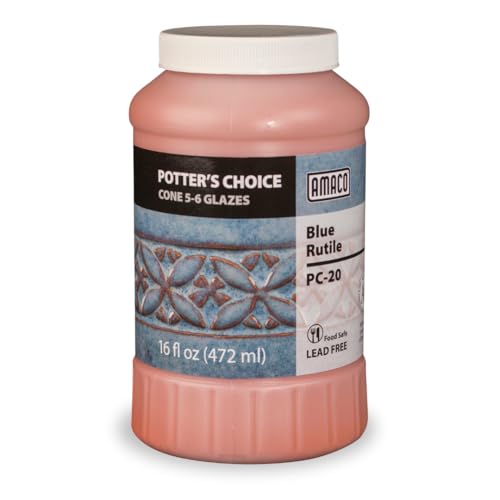
Best for flowing blue surfaces that break to brown when the glaze is thinner. It’s applied to Cone 04 bisque and fired to Cone 5–6, offering a strong blue presence with interesting tonal shifts. This glaze is ideal for layered work or as a single-coat glaze that still reveals depth at higher fire temperatures.
Who this is for: ceramicists seeking expressive blue surfaces with natural variation. Limitations: high variability in flow requires careful application to prevent excessive running on edges.
Penguin Pottery Clear Glaze (Mid Fire)
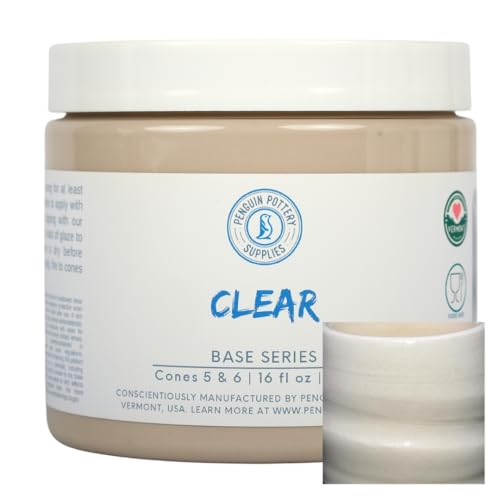
Best for creating a glossy, transparent layer that lets underlying textures and colors show through. It is zinc-free, lead-free, and food-safe for mid-fire applications. Apply over slips, stains, or underglazes to enhance texture and color without obscuring the clay body. Always fire in a calibrated kiln to the swatch cone to ensure consistent results.
Who this is for: potters wanting a versatile, glossy finish that preserves texture. Limitations: must avoid over-thick application to prevent pooling on shelves.
Penguin Celadon Series Tangerine

Best for vivid orange tones with depth, ideal for accent pieces that need bold color. The Tangerine Celadon glaze provides a glossy finish with warm undertones and subtle depth. It’s suited for mid-fire clay projects and offers a strong color statement on bowls, platters, and sculpture. Always follow kiln instructions to achieve the intended depth and gloss.
Who this is for: artists seeking vibrant color highlights. Limitations: color can be highly saturated; plan your piece’s glaze coverage accordingly.
Buying Guide: Key Considerations For Cone 5–6 Glazes
- Cone compatibility: Confirm that each glaze is specified for Cone 5–6 and test with your kiln setup.
- Layering and texture: If layering, choose glazes known for good adhesion and deliberate flow.
- Color behavior: Expect shifts by cone, glaze thickness, and firing atmosphere; plan swatches first.
- Application method: Dipping, brushing, or spraying can influence results; some glazes perform better with a specific method.
- Safety and compatibility: Prefer lead-free and food-safe glazes for dinnerware or functional ware when applicable.
- Shelf life and storage: Store glazes in a cool, dry place and avoid contamination that alters color.
Practical tips for choosing between options
- Best for layering over slips: AMACO PC-17 Honey Flux for warm, creamy overlays.
- Best for green textures: AMACO PC-42 Seaweed to achieve deep, natural greens.
- Best blue accent: AMACO PC-20 Blue Rutile for flowing blue surfaces with tonal breaks.
- Best clear glaze: Penguin Clear for preserving texture and color beneath.
- Best bold color accent: Penguin Celadon Tangerine for standout orange tones.
FAQ
- Q: Are these glazes food-safe at cone 5–6? A: Many listed glazes are designed for mid-fire use and can be food-safe when fired to the recommended cone, but always verify the label and follow manufacturer guidance for food-contact surfaces.
- Q: How should I test glaze compatibility? A: Create a small test tile with your clay body and bisque, then apply each glaze in your intended thickness and fire according to the swatch recommendations.
- Q: Can these glazes be mixed for custom colors? A: Yes, layering and blending is encouraged with many mid-fire glazes to achieve unique hues, but test combos to avoid unwanted reactions.
- Q: What application method works best for these glazes? A: Dipping or brushing are common; for color-rich layers, brush on thicker areas and dip lighter coats to balance coverage.
- Q: Do these glazes require kiln shelves protection? A: Some glazes flow more than others; use kiln wash or stilts as needed to protect shelves during firing.
- Q: How should I store glaze jars? A: Tighten lids, store upright, away from heat and sunlight to preserve color and consistency.
Add a Comment