Finding the right cotton-silk blend yarn means prioritizing softness, breathability, and durability for garments, accessories, and home projects. This selection highlights blends that balance cotton’s cool, clean feel with silk’s sheen and drape. Best for: crafters seeking comfortable summer garments, socks, baby clothes, and light accessories. The table below compares five top picks to help you choose quickly.
| Product | Brand | Weight | Yards | Best For |
|---|---|---|---|---|
| HiKoo CoBaSi Sock Yarn | HiKoo | Fingering | 220 | Socks, lightweight layers |
| HiKoo CoBaSi DK Sock Yarn | HiKoo | DK | 140 | Light sweaters, tees |
| Lerchiyar Cotton, Bamboo, Linen Blended Yarn | Lerchiyar | 50g skeins | 110m per skein | Summer tops, accessories |
| Katutude Silk Cotton Yarn | Katutude | 50g | ~250m | Delicate shawls, lace |
| Knitting for Olive Pure Silk Yarn | Knitting for Olive | 50g | ~275m | Fine socks, scarves |
HiKoo CoBaSi Sock Yarn, Natural
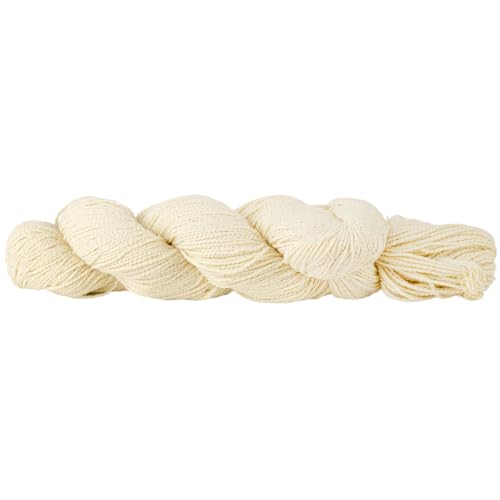
Features include a wool-free blend of cotton, bamboo viscose, silk, and elastic nylon. The fingering weight and smooth stretch make it suitable for socks, light tees, baby clothes, and delicate accessories. Best for crocheters and knitters who want breathable, soft fabric with good shape retention wash after wash.
Who it’s best for: crafters seeking a soft, breathable sock yarn or lightweight garments. Why selected: the blend provides comfort without wool while offering elasticity for durable wear. Caution: fingering weight requires finer hooks or needles, which may slow progress on larger projects.
HiKoo CoBaSi DK Sock Yarn, Natural
Features show a DK-weight wool-free blend that stays breathable and comfortable. Ideal for socks, tees, light sweaters, and baby garments, with elasticity to help garments maintain shape through wash cycles.
Who it’s best for: crafters building light, everyday wear with a touch of silk sheen. Why selected: DK weight balances speed and drape. Caution: DK gauge may differ from standard worsted patterns; check your pattern’s recommended gauge.
Lerchiyar Cotton, Bamboo, Linen Blended Yarn

This blend combines 53% cotton, 33% bamboo, and 14% linen for a breathable, drapey texture. Each skein weighs 50g with about 110m length, suitable for lightweight garments and accessories. Best for warm-weather projects and items that need a soft, structured finish.
Who it’s best for: knitters seeking a unique fiber mix with natural breathability. Why selected: the liner blend adds texture and strength. Caution: colorfastness and laundering behavior can vary with linen content, so test a swatch.
Silk Cotton Yarn Size 6 Lace Yarn by Katutude

Composition blends silk and cotton with a lace- to light-fingering weight, offering skin-friendly softness and a refined drape. Each purchase includes two 50g balls with many color options. Best for lace shawls, delicate garments, and home décor accents.
Who it’s best for: lace knitters and crocheters wanting a glossy finish with soft hand. Why selected: silk adds luster and drape, cotton provides structure. Caution: lace projects may require careful tension control due to the fine gauge.
Knitting for Olive Silk Cotton Yarn

Contains 100% silk for a luxurious touch with fine ply and a length of 250 m per 50 g skein. Skein weight, gauge, and needle recommendations align with fine sock and shawl projects. Best for high-end accessories and delicate garments requiring sheen and softness.
Who it’s best for: experienced crafters focusing on premium fabric with silky drape. Why selected: pure silk delivers maximal luster and feel. Caution: pure silk can be less forgiving in tension and may require careful washing.
Buying Guide
What should you consider when choosing cotton silk blend yarn?
- Weight and gauge: Fingering and DK are common for socks and lightweight garments; lace and fine weights suit shawls and accessories.
- Fiber balance: Cotton for breathability, silk for drape and sheen, bamboo viscose for softness and moisture management, linen for structure and texture. Your project will guide the ideal mix.
- Care and durability: Blends with nylon or elastic fibers hold shape; cotton blends are typically machine washable, but always verify care instructions for delicate fibers like silk.
- Color and dye behavior: Natural fibers can vary in colorfastness; swatching helps predict how color will wear with washing and use.
- Project type: For socks or baby garments, prioritize softness and elasticity. For shawls and scarves, drape and shine matter more.
FAQ
- What is a cotton silk blend yarn best used for? – It provides breathable comfort and a refined drape, ideal for lightweight garments, shawls, and baby items.
- Is silk cotton yarn harder to work with than 100% cotton? – It can be slightly more slippery due to silk content, so attentive tension and appropriate hook/needle sizes help.
- Can I machine wash silk cotton blends? – Many blends are machine washable, but follow the specific yarn’s care label to avoid damage.
- Which weight is best for socks? – Fingering or DK weights are common; match the pattern gauge to your chosen yarn.
- Should I choose pure silk or a cotton-silk blend? – For durability and easy care, blends often strike a balance between softness and structure; pure silk is luxurious but requires gentler care.
- How do I choose color options? – Consider colorfastness and your project’s end use; swatch for shrinkage and color bleeding, especially with darker shades.
Add a Comment