Answer: Heavy duty poster boards offer durable, large-surface media for signs, crafts, and presentations. The top picks below are suited for classrooms, offices, events, and home projects. They emphasize thick weight, double-sided finishes, and dependable ink resistance. The right choice depends on size needs, rigidity, and whether you prefer foam, corrugated plastic, or solid pulp-based boards.
| Product | Material Type | Size | Best For |
|---|---|---|---|
| Poster Board 22×28” 400gsm | Paper/Cardboard | 22″ x 28″ | Heavy-duty signs and displays |
| Pacon Super Value Poster Board 22″ x 28″ | Paper/Cardboard | 22″ x 28″ | Budget-friendly classroom projects |
| Corrugated Plastic Sheet 24×36” (Pack of 2) | Coroplast Plastic | 24″ x 36″ | Indoor/outdoor signs and durability |
| Hixdo Foam Board 24×36” 6mm Thick | Foam Board | 24″ x 36″ | Lightweight rigidity with edge protection |
| DBNBTUP 24×36” Heavyweight Poster Board 25 Sheets | Pulp-based Cardboard | 24″ x 36″ | Large, double-sided posters and backdrops |
Poster Board 22×28”, 400gsm Large Thick Heavyweight Cardstock

The DBBNTB Poster Board is a pure pulp-based, double-sided white poster board designed for heavy-duty use in classrooms, offices, and home studios. With 400 gsm thickness, it resists wrinkling and ink bleed, offering a substantial feel for signs, DIY crafts, and displays. Best for projects that require durability and long-lasting color retention. Limitations include limited color options beyond white and a heavier weight for very small craft spaces. Suitable for signs, scrapbooks, and event displays where reliability matters.
Pacon Super Value Poster Board, 22″ x 28″
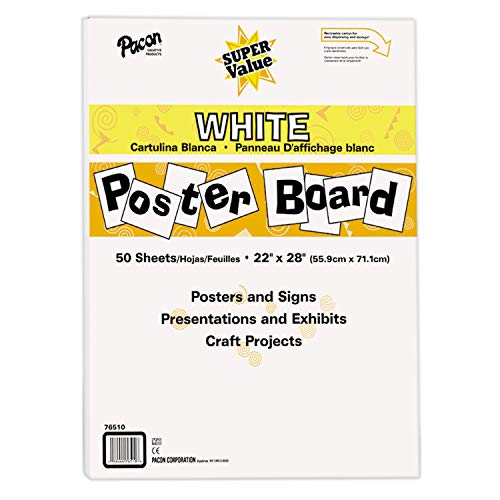
These boards offer economical value with bright white, uncoated surfaces ideal for posters, signs, and crafts. They’re best for budget-conscious classrooms or basic presentations where quick-turnaround projects are common. A limitation is that they may not be as rigid as heavier options, which can affect very large or multi-day displays.
Corrugated Plastic Sheet 24×36” (Pack of 2)

Durable plastic sheets suitable for indoor and outdoor use. They are waterproof and light, making them ideal for weather-resistant signage and long-lasting displays. Best for projects requiring weather resistance, though they may be less ideal for heavy ink applications and multi-layer mounting due to plastic surface properties.
Hixdo Foam Board 24×36” 6mm Thick

Hixdo foam boards offer lightweight rigidity with a 6mm core and plastic edge protection. They perform well for lightweight artwork, presentations, and portable displays. Choose this if you need easy cutting and portability; avoid if you require heavy ink absorption or archival storage due to foam materials.
DBNBTUP 24×36” Heavyweight Poster Board, 25 Sheets

This heavyweight poster board mirrors the 22×28 version with a larger 24×36″ footprint and double-sided white finish (glossy on one side, matte on the other). It’s best for large posters, signage, and displays that demand a sturdy, durable surface capable of handling multiple materials. The larger size may require more cutting and storage space, which is a consideration for smaller work areas.
Buying Guide
What material should you choose for heavy duty poster boards?
- Paper/cardboard boards (like 400 gsm) are sturdy and provide clean color reproduction. They are best for indoor signs, school projects, and long-lasting displays when ink bleed resistance is important.
- Foam boards are lighter and easy to cut, ideal for quick demonstrations and portable exhibits, but may not absorb heavy ink or paints as well as pulp-based boards.
- Corrugated plastic boards excel for outdoor or weather-exposed signage and very durable signs, but may have a slick surface that affects certain media adhesion.
Which size fits your needs?
- 22×28″ boards are common for classroom posters and mid-sized displays; they balance portability with surface area.
- 24×36″ boards offer a larger surface for banners, signage, and event backdrops but require more storage space and cutting precision.
What about double-sided surfaces?
- Double-sided white boards (glossy/matte) give flexibility for different media and effects. They reduce the need for back-to-back printing and can save time during classroom or event setups.
- Single-sided boards may suffice for simple signs or one-sided art, especially when cost is a priority.
Practical tips
- Cut with ordinary scissors or a craft knife for clean edges, especially on thicker boards.
- Test ink and markers on a small area to confirm bleed resistance and drying times.
- Consider a protective backing or storage solution to prevent warping when not in use.
FAQ
What is heavyweight poster board best for?
Signage, school projects, crafts, displays, and backdrops that require rigidity and durable color performance.
Are foam boards suitable for long-term displays?
They are lightweight and easy to transport, but may not hold up as long as solid pulp boards in humid or high-traffic environments.
Can I use markers on corrugated plastic boards?
Yes, markers and paints adhere to most plastic surfaces, but you may want a primer or sealing step for longevity.
Which board size should I buy for a big event banner?
24×36″ boards provide ample surface area for banners and large signage; ensure you have enough storage and cutting space.
Do these boards bleed ink?
Most heavy-duty poster boards are designed to minimize ink bleed, but always test first with your chosen media.
Are there eco-friendly options?
Yes. Some boards use natural pulp-based materials with minimal waste on both sides, offering safer, more sustainable choices.
Add a Comment