Looking for a lime green fabric dye that delivers vibrant, lasting color on natural fabrics? This guide highlights five top options that suit different crafters—from tie-dye beginners to seasoned dyers. The best choice depends on your project, whether you’re refreshing faded garments, creating bold lime accents, or coordinating home décor. Below you’ll find clear differences, ideal uses, and practical cautions to help you pick with confidence.
Summary table of selected products:
| Product | Brand | Best For | Notes |
|---|---|---|---|
| Rit Dye Liquid – Neon Green | Craft County | Tie-dye, bright accents on clothing | High-visibility lime; easy for beginners |
| Rit Dye Liquid – Apple Green | Craft County | Everyday green hues on fabrics | Versatile and reliable |
| Tulip One-Step Lime Green Dye Kit | TULIP | Group projects and quick dye jobs | Includes refill packs; easy cleanup |
| Qualia All Purpose Lime Green 3 Pack | QUALIA | Large-scale or multiple items | Ultra-concentrated colors; eco-conscious |
| Jacquard iDye for Natural Fabrics – Chartreuse | Jacquard | Natural fabrics; over-dyeing | Dissolvable packet; bright tones |
Rit Dye Liquid Neon Green – 8 Oz.

What it is: a neon lime liquid dye designed for a wide range of fabrics and surfaces. Features include a broad color family, with patterns such as tie-dye, ombre, dip-dyed, marbled, or shibori. Best for projects needing a vivid lime-green pop that stands out on garments or décor items.
Who it’s for: ideal for beginners and hobbyists seeking reliable, high-visibility color. Great for rejuvenating faded items or coordinating lime accents with other colors in a kit. The bright neon shade is especially appealing for summer apparel and bold home décor accents.
Limitations: intense neon tones can sometimes require careful dyeing to achieve even saturation on darker fabrics. Always pre-wash fabrics and use the recommended dyeing process for best results.
Rit Dye Liquid Apple Green – 8 Oz.

What it is: a dependable apple-green dye suited for clothing, crafts, and décor. Features emphasize easy application, a wide color range, and the ability to blend with other colors for custom shades.
Who it’s for: best for crafters who want a versatile green that pairs well with lighter or complementary hues. It’s a solid option for beginners looking to achieve even color on a variety of fabrics.
Limitations: like all liquid dyes, achieving uniform saturation may require thorough stirring and consistent immersion time, especially on dense fabrics.
Tulip One-Step Lime Green Dye Kit

What it is: a complete dye refills kit designed for easy, one-step color application. Each dissolvable packet yields dye for multiple projects, making it convenient for group activities or frequent dyers.
Who it’s for: best for group projects, classrooms, or families where quick, straightforward dyeing is preferred. It’s also suitable for travelers or hobbyists who want a mess-free option with refill capability.
Caution: may irritate skin and eyes; use gloves and safety glasses, and keep away from children. Follow safety instructions to minimize exposure.
Qualia All Purpose Lime Green 3 Pack

What it is: an ultra-concentrated lime-green powder dye designed for natural fabrics like cotton, wool, silk, and linen. It’s marketed as a versatile, faster dye option that can handle multiple items in one batch.
Who it’s for: best for larger projects or crafters who want strong, durable color with a single use producing multiple items. It’s also appealing for eco-conscious makers due to its high concentration and potential energy savings in dyeing sessions.
Limitations: powder-based dyes require careful handling and precise mixing. The product is formulated for natural fabrics, so performance on synthetic fibers may be unpredictable.
Jacquard iDye for Natural Fabrics – Chartreuse
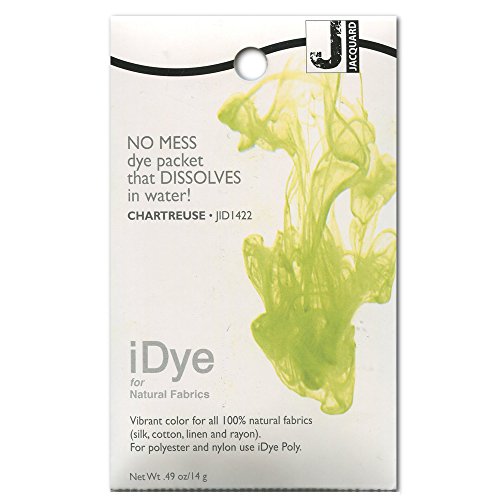
What it is: a dissolvable dye packet designed for natural fabrics. It dissolves in the dye bath or washer, enabling a straightforward hot-water dyeing process. It’s ideal for over-dyeing techniques and reviving faded garments.
Who it’s for: best for dyers who want an easy, no-muss approach to dyeing natural fabrics. It’s suitable for stovetop or washing-machine dyeing, offering flexibility with different fibers like cotton and linen.
Limitations: chartreuse can lean toward yellowish tones on some fabrics; test on a small swatch first to confirm the exact shade you’ll get on your chosen material.
Buying Guide: Lime Green Dye For Different Projects
What should guide your choice when shopping for lime green fabric dye?
- Fabric type: Natural fibers (cotton, linen, silk, wool) usually take dye more evenly and vibrantly with liquid or powder dyes. Synthetic fabrics may require specific formulations or fiber-reactive dyes.
- Color intensity: Neon and bright lime shades are high-visibility options, great for bold accents, while apple and chartreuse tones offer subtler, versatile greens for everyday wear and décor.
- Usage model: One-step kits and dissolvable packets simplify the process, making them good for group activities or beginners. Liquid dyes provide flexibility for custom shade mixing.
- Safety: Some lime greens can irritate skin or eyes. Wear gloves and follow safety guidelines, especially with powder dyes. Work in a well-ventilated area.
- Project scale: For multiple items, consider ultra-concentrated powders or multi-pack kits to reduce waste and ensure color consistency across pieces.
Frequently Asked Questions
- What is the easiest lime green dye for beginners?
- Can I dye synthetic fabrics with these lime greens?
- Do I need to use a soda ash solution?
- How do I ensure even color on a garment?
- Is lime green dye safe for kids’ projects?
- What’s the best option for reviving faded clothes?
Liquid dyes with straightforward instructions, like Apple Green or Neon Green Rit Dye, are usually simplest for beginners seeking reliable results.
Most lime-green options are best with natural fabrics. Check product notes for compatibility with synthetics, or consider fiber-reactive formulations designed for blends.
No soda ash is required for all pre-mixed sprays and One-Step kits. Some traditional dyeing methods may use soda ash; follow the specific product instructions.
Pre-wash the fabric, keep fabrics submerged evenly in hot water, stir during dyeing, and rinse thoroughly after dyeing to equalize saturation.
Many products are non-toxic and kid-friendly, but supervise children and use protective gear as required by the product instructions.
Liquid dyes designed for color rejuvenation, such as Rit Dye in lime tones, are well-suited to reviving faded fabrics and restoring vibrancy.
Add a Comment