Discover non-toxic fabric dyes that deliver vibrant color without harsh chemicals. This guide highlights five reliable options, suited for hobbyists, crafters, and parents dyeing with kids. Each pick caters to different fabrics and methods, from natural plant-based powders to all-purpose solutions. Use this to choose dyes that align with your project needs, whether you’re refreshing clothing, crafting home décor, or making botanically colored skincare products.
| Product | Best For | Key Benefit |
|---|---|---|
| Indigo Powder (Splendor Santa Barbara) | Natural blue dye for textiles and skincare | Plant-based, non-toxic indigo for deep blue hues |
| Black Fabric Dye (3-Pack, Generic) | Cotton, linen, denim, wide fabric range | Eco-friendly, high color payoff |
| Rit Dye – Liquid Fabric Dye (Craft County, Black) | Dense color on varied fabrics | Easy application with multiple colors |
| Jacquard iDye for Natural Fabrics | Natural fibers like cotton, linen, silk | No-mess dissolvable packet for clean use |
| Qualia All Purpose Powder Dye | Broad fabric mix; DIY crafts and tie-dye | Ultra-concentrated colors with eco benefits |
Top picks span plant-based, all-purpose, and natural-fiber dyes to fit different projects and safety preferences. For parents and hobbyists, the non-toxic and plant-derived options reduce exposure while still delivering strong color. For textile artists, the high-fixation formulas help achieve lasting results across multiple washes. This guide also notes practical limitations to help you plan your dyeing workflow with confidence.
Indigo Powder – Natural Indigo Dye

Indigo Powder is a 100% natural dye derived from Indigofera tinctoria. It yields a deep blue pigment suitable for soaps, creams, and cotton textiles. The powder is described as plant-based, non-toxic, and vegan, making it a preferred choice for botanical skincare and artistic fabric projects. Best for crafters seeking a traditional blue hue without synthetic additives. A limitation is that indigo shades can vary with fabric type and pre-treatment, so testing on swatches is advised.
Black Fabric Dye (3-Pack)
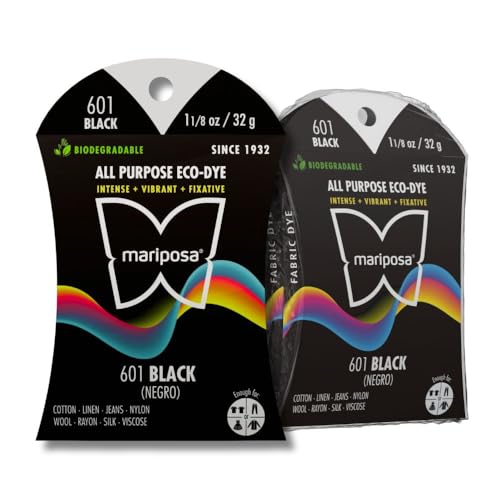
The Black (601) Fabric Dye comes in a 3-pack and is designed to color up to 3 pounds of fabric. It is described as an eco-friendly, non-toxic powder suitable for cotton, linen, jeans, wool, rayon, viscose, and more. This option suits projects requiring a solid, lasting black across a variety of fabrics. A potential limitation is that dark shades can be difficult to achieve on highly textured or synthetic fibers without proper pre-treatment.
Rit Dye – Liquid Fabric Dye, Black

Rit Dye offers a liquid option with a classic black shade, designed for easy use. Instructions call for dissolving in hot water with a small amount of detergent, then submerging fabric until the desired shade is reached. This dye is versatile for crafting clothing, decor, and upcycling projects. Best for quick projects and for users who want to mix colors easily. A caution is that some synthetic fabrics may require special attention to achieve even color uptake.
Jacquard iDye for Natural Fabrics

Jacquard iDye for Natural Fabrics uses a no-mess, dissolvable packet that you simply drop into water or a washing machine. It is formulated for cotton, linen, silk, rayon, viscose, and similar natural fibers. This dye is ideal for clothing restoration, over-dyeing faded garments, and DIY projects. Best for users who want a clean, convenient dyeing process. A limitation is that it is designed for natural fabrics and may not work as well on synthetic fibers without blending.
Qualia All Purpose Powder Dye

Qualia All Purpose Powder Dye offers ultra-concentrated colors suitable for cotton, wool, silk, wood, and linen. The kit claims to dye up to 600g of fabric in about 30 minutes, presenting an efficient option for larger projects. It also emphasizes eco-friendly aspects by reducing CO2 emissions in its production. This dye is best for crafters seeking bold hues and faster turnaround. A caveat is that powder formulations can be mess-prone if not handled carefully.
Buying Guide: Key Considerations for Non-Toxic Fabric Dyes
- Fabric compatibility: Are you dyeing natural fibers (cotton, linen, silk) or blends? Some dyes are optimized for natural fabrics, while others work across a broader range.
- Application method: Do you prefer liquid, powder, or pre-measured packets? No-mess options reduce clean-up but may limit color choices.
- Color longevity: Consider wash-fastness and how the dye holds up across multiple washes, especially for clothing and upholstery.
- Safety and toxins: Look for plant-based or non-toxic formulations for sensitive users or kids’ projects.
- Eco impact: Some dyes advertise lower CO2 emissions or biodegradable components, which may influence your choice.
- Testing and swatches: Always test on a fabric swatch to predict outcomes, especially with indigo and black shades where tone can vary by fabric and pre-treatment.
Frequently Asked Questions
- Is indigo dye safe for skin and cosmetics? Yes, plant-based indigo powders are generally used in skincare and soapmaking, but avoid applying to newborn or irritated skin without guidance.
- Can these dyes color synthetic fabrics? Some dyes work on synthetics; others perform best on natural fibers. Check product specs and run small tests.
- Do I need pre-wetting or mordants for natural fabrics? Natural fibers may require pre-wetting or mordants depending on the dye type and fabric colorfastness requirements.
- Are there non-toxic alternatives for kids’ projects? Yes, plant-based and eco-friendly formulas are widely available for safe classroom or home use.
- Can I dye multiple fibers at once? Yes, but color transfer may occur between fabrics; dyeing in separate containers minimizes cross-contamination.
- How should I fix color after dyeing? Follow product instructions for rinsing, washing, and drying to maximize color retention and reduce bleeding during future washes.
Add a Comment