Open-end poly bags offer versatile, easy-to-use packaging solutions for clothing, food prep, crafts, and general storage. This guide highlights five top options, showing who each bag is best for and why they stand out. Whether you’re prepping bulk clothing for resale, organizing small parts, or proofing bread dough, there’s an ideal open-end bag here. The buyer’s table below compares the essentials at a glance.
| Product | Size | Thickness | Best For |
|---|---|---|---|
| Wowfit 18×24 Open-End Flat Bags | 18 x 24 in | 1.1 Mil | Bread proofing, large items, square/rectangular shapes |
| Spartan 18×24 Open-End Flat Bags | 18 x 24 in | 1.1 Mil | Bulk clothing, retail packaging, bulk goods |
| Spartan 10×15 Open-End Flat Bags | 10 x 15 in | 1.1 Mil | Clothing accessories, medium items |
| Spartan 6×8 Open-End Flat Bags | 6 x 8 in | 2 Mil | Small parts, hardware, snacks |
| Spartan 10×13 Open-End Flat Bags | 10 x 13 in | 1.1 Mil | Clothes, grouped items, food-safe packaging |
Wowfit 100 Count 18×24 Open-End Flat Bags
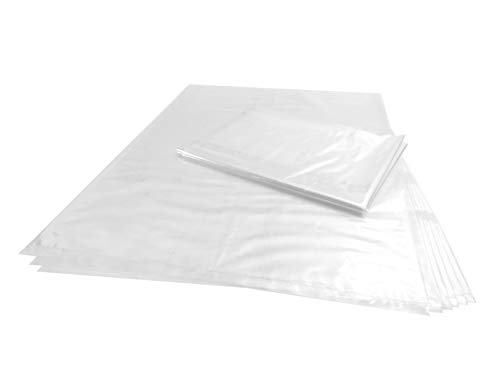
Best for large, square, or rectangular items that require a roomy opening. These bags are 18 x 24 inches with a 18-inch opening and a clear 1.1 mil thickness, suitable for bread dough proofing, bowls, pans, and trays. They are advised for careful edge protection before insertion and should be kept away from direct heat sources. The Listing Recommended Size Chart should be consulted to ensure the right fit for the item.
Who it’s best for: bakers, home crafters, and small businesses needing large, clear bags for proofing and food-prep workflows.
Why selected: The 18×24 size with a generous opening supports large items and easy handling, and the 1.1 mil material offers good clarity and rigidity for bulk packaging tasks.
Caution: Avoid direct heat exposure and ensure item dimensions stay within the recommended chart to prevent bag tearing or improper closure.
Spartan Industrial 18×24 Open-End Flat Bags (500 Count)

Better for bulk clothing packaging, retail displays, and bulk merchandise. These 18×24 bags are 1.1 mil thick, BPA-free, and food-grade material is noted in the listing, with no adhesive strip. They fit coats, jackets, plush toys, tote bags, and bundled apparel for resale or events.
Who it’s best for: retailers and organizers needing clear, sturdy bags for large clothing items or bulk merchandise.
Why selected: Open-end design and clear visibility are ideal for quick inventory checks and retail prep. The absence of an adhesive strip reduces resistance during packaging.
Caution: Not ideal for items that require heat sealing near the opening; ensure proper closure methods are used.
Spartan Industrial 10×15 Open-End Flat Bags

Best for smaller clothing items and medium-sized merchandise. These 10×15 bags have 1.1 mil thickness and no adhesive strip, offering clear visibility for easy item identification. They’re suitable for packaging folded shirts, hoodies, and bundled apparel in retail or e-commerce contexts.
Who it’s best for: small businesses needing neat, compact packaging for mid-sized items.
Why selected: A balance of size and thickness makes them versatile for retail prep, while the lack of adhesive strip simplifies use.
Caution: Not ideal for very large or bulky items that require more room in the bag opening.
Spartan Industrial 10×13 Open-End Flat Bags

Best for grouped items, clothing, and food-safe packaging. These 10×13 bags have a 1.1 mil thickness and are BPA-free, suitable for shirts packaging, apparel bundles, and direct food contact per listing notes. They serve well in both storage and retail contexts.
Who it’s best for: small retailers and home-based sellers packaging multiple items together for sale or storage.
Why selected: The 10×13 size covers many grouped item uses while remaining easy to handle and store.
Caution: Check the exact contents and food-safety expectations if direct contact with prepared foods is required, as packaging needs may vary by product.
Buying Guide: Key Purchase Considerations
- Size and opening width: Choose a size that accommodates the item with a comfortable opening for easy insertion and closure. For large items, prefer 18×24 or similar dimensions; for small parts, 6×8 or 10×13 may be ideal.
- Thickness and durability: 1.1 Mil is a common, versatile thickness for general packaging and food-safe tasks. Increase to 2 Mil if you need extra durability for sharp edges or heavier contents.
- Material and safety: Look for BPA-free, food-grade LDPE when you’ll be in contact with edible items or when food safety is a concern. Confirm heat exposure guidelines to avoid warping or tearing.
- Adhesive strips: Some bags include no adhesive strips. If you need resealability, consider bags with an adhesive seal or plan for alternative sealing methods (twist ties, labels, etc.).
- Intended use: Match the bag to the primary use—clothing packaging, bread dough proofing, bulk merchandise, or small hardware parts—to maximize efficiency and reduce waste.
- Quantity and cost efficiency: For bulk use, 500–1000 count bags reduce per-unit costs. Review the count relative to your weekly or monthly packaging needs.
FAQ
- Are these bags safe for food contact? — Many listed bags are described as food-grade and BPA-free; verify the product page to ensure food-contact suitability for your specific use case.
- What thickness should I choose for sharp-edged items? — For items with sharp edges or heavy contents, consider upgrading to 2 Mil bags for added puncture resistance.
- Can I reuse these bags after sealing? — Open-end bags are generally designed for one-time use; reuse depends on the contents and handling, but performance may degrade after opening.
- Do these bags come with adhesive strips? — Several listings note no adhesive strip; if you need sealing, plan for alternative methods or choose bags with a seal.
- What sizes are most versatile for clothing packaging? — Sizes around 10×13 to 12×15 are common for folded shirts and small bundles, while 18×24 fits larger items or bulk apparel.
- Is heat exposure safe for these bags? — Many bags warn against direct heat sources; keep bags away from ovens, burners, and other heat risks.
Add a Comment