Finding the right screen printing setup can boost productivity and results for home crafters and small businesses. This guide highlights five reliable machines and presses that handle T-shirt transfers, posters, and other substrates. Each entry covers core features, durability, and ease of use to help you compare options at a glance.
| Product | Brand | Key Benefit |
|---|---|---|
| VEVOR Screen Printer 4 Color 2 Station | VEVOR | Compact, durable, precise positioning |
| WHUBEFY 5-in-1 Heat Press | Whubefy | Versatile attachments for shirts, mugs, hats, plates |
| INTBUYING 24x20Inch Screen Printing Machine | INTBUYING | Large pallet, micro-registration, flexible substrates |
| ePhotoInc 16×24 Large Heat Press | ePhotoInc | High-temperature range and big work area |
| Tianiuseen 22×18 Inch Screen Printing Table Press | Tianiuseen | Stable, adjustable, table-mount design |
Whether you’re starting a small screen printing shop or upgrading a DIY workspace, the right machine can improve consistency, reduce setup time, and help you expand your printing capabilities. The following sections detail each option, including ease of use, material compatibility, and potential trade-offs.
VEVOR Screen Printer 4 Color 2 Station

VEVOR’s 4-color, 2-station screen printer emphasizes a table-type design that saves space and facilitates transport. Built with precision-machined mechanical parts and bearings, it supports stable operation and precise positioning. The frame’s electrostatic coating reduces rust and simplifies cleaning, while the compact footprint suits small studios and hobby workshops. Suitable for basic multi-color transfers on apparel and flat substrates, it offers a practical balance between versatility and cost for hobbyists and small shops.
WHUBEFY 5-in-1 Heat Press

This 5-in-1 heat press blends versatility with digital control. It includes attachments for hats, mugs, and plates, expanding printing options beyond T-shirts. A 360-degree rotation helps ensure even pressure, while the digital LCD makes temperature and time settings precise. The device supports a broad temperature range and is suitable for sublimation transfers and standard heat-press tasks. It’s a practical choice for creators who want to experiment with multiple substrates without buying separate machines.
INTBUYING 24x20Inch Screen Printing Machine

INTBUYING offers a larger pallet and a micro-registration system, enabling more complex layouts and better alignment for multi-color printing. While the frame clamp and gravity devices contribute to stable operation, note that screen frames are not included. This setup supports larger formats and higher substrate versatility, making it suitable for signage, boards, and apparel. It’s a flexible option for more ambitious projects where space and stability matter.
ePhotoInc 16×24 Large Heat Press
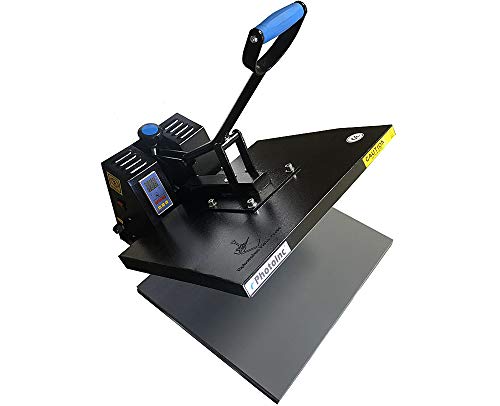
The ePhotoInc heat press offers a generous 16 by 24 inch work area and a broad temperature range up to 500°F. This model is well-suited for large transfers on T-shirts and various substrates. It emphasizes stable operation and a powerful heating system, making it a dependable choice for larger designs and batch transfers in home studios or small print rooms. It’s best for users prioritizing size, temperature reach, and consistent results on larger garments.
Single 1 Color Station T-Shirt Silk Screen Printing Machine

This single-color, 1-station press emphasizes a straightforward design that suits beginners and small-scale production. The table-type construction saves space, and the full metal, stainless steel build aids durability and ease of cleaning. It’s a practical entry point for customers focusing on simple, repeatable one-color transfers and educational projects, with a nod toward long-term maintenance and rust resistance due to electrostatic finishing.
Tianiuseen 22×18 Inch Screen Printing Table Press

The Tianiuseen table press combines adjustable pallet and frame clamps with a stable two-spring balance system. The 22×18 inch printing area supports mid-sized designs, and the device is designed to be fastened to a worktable for stability. Adjustable features accommodate varying screen thicknesses and substrate heights, making it a solid option for hobbyists and small shops focusing on consistent, repeatable results on T-shirts and similar items.
Buying Guide
When choosing a screen printing machine or heat press for T-shirts, consider the following factors to align a purchase with goals and workflow:
- Print size and substrate variety: Larger pallets support bigger designs and rigid substrates (boards, metal, glass), while smaller units are ideal for simple apparel transfers. If you plan multi-color designs, prioritize machines with reliable registration features or micro-adjustment capabilities.
- Color capability and cycling: Multi-color presses may require precise alignment and even pressure distribution. Look for independent rotation between screen and pallet layers and robust tension controls for consistent results.
- Material quality and durability: Aluminum frames, rust-resistant finishes, and sturdy guide bearings contribute to longevity and less downtime. Electrostatic coatings and corrosion-resistant finishes ease cleaning and maintenance.
- Ease of use: For beginners, single-color or 5-in-1 heat presses with intuitive digital displays can shorten the learning curve. For more advanced setups, consider micro-registration and stability features that reduce misprints.
- Attachments and versatility: Heat presses with interchangeable platens, hats, mugs, and plates expand capabilities. Verify attachment compatibility and whether replacements are readily available.
- Maintenance and parts availability: Choose brands with accessible spare parts and clear maintenance guidance. This reduces downtime and extends the machine’s life.
- Budget and space: Table-type designs save space but ensure the workstation is stable and secure. If space is limited, prioritize compact machines with efficient storage or easy transport.
These considerations help balance upfront cost with long-term productivity. For hobbyists, starting with a simple, reliable single-color unit can be a wise step, then expanding to multi-color presses or larger formats as demand grows. For small shops, stability, precise registration, and substrate versatility become increasingly critical to deliver consistent results at scale.
Add a Comment