Looking for spray varnish options to protect oil paintings without altering color or detail? This guide highlights five top aerosol varnishes that work well for oil, acrylic, and mixed-media pieces. Each pick is evaluated for best use cases such as archival protection, UV resistance, gloss or satin finishes, and ease of application. This overview helps painters choose a varnish that fits their style, studio setup, and preservation goals.
| Product | Finish | Best For | Why It Stands Out |
|---|---|---|---|
| Krylon Kamar Varnish, Satin | Satin | Oil and mixed media; frequent rework | Easy rework and palette-color retention |
| Krylon K01377000 Gallery Series UV Archival Varnish, Satin | Satin | UV protection and archival needs | Maximum UV protection; American-made |
| Krylon K01375000 Gallery Series UV Archival Varnish, Gloss | Gloss | Glossy finish with UV protection | Strong UV protection; caution about flammability |
| Liquitex Professional Spray Varnish, Gloss | Gloss | Archival, non-yellowing finish; non-toxic | Non-yellowing, water-resistant when dry; dries hard |
| Gamblin Gamvar Picture Varnish, Clear | Clear | Final varnish for archival oil paintings | Reliable protective layer for oil paintings |
Krylon Kamar Varnish, Satin, Clear, 11 oz

The Krylon Kamar Varnish Satin provides a protective layer for oil, acrylic, and watercolor paintings. It helps colors stay fresh from the palette and allows easy rework, making it suitable for artists who frequently refine or adjust strokes. Best for studio painters who need a forgiving, removable finish during working stages. A potential limitation is that satin sheens may attract dust when used in bright, open environments; consider working in a clean, low-dust space.
Krylon K01377000 Gallery Series UV Archival Varnish Aerosol Spray, Satin

This satin varnish offers maximum UV protection for fine art projects. It includes an 11-ounce can and is made in the USA, which may appeal to buyers prioritizing domestic manufacturing. Best for artworks at risk of color shift under light exposure. Caution: aerosols contain solvents; use in a well-ventilated area and avoid inhaling vapors.
Krylon K01375000 Gallery Series UV Archival Varnish, Gloss, 11 Ounce

The Krylon Gloss UV Archival Varnish provides maximum UV protection with a glossy finish. It’s a solid choice when a painter wants a bright, vibrant surface with protection from light exposure. Best for artists who want a high-gloss look and strong archival protection. However, the product notes warn that it is extremely flammable and that vapors can be hazardous, so use in a ventilated area away from open flames.
Liquitex Professional Spray Varnish, Gloss, 12-oz Can

Liquitex Professional Spray Varnish is archival and non-removable with a gloss finish. It dries to a non-tacky, hard, flexible surface and remains non-yellowing and water-resistant when dry. It’s lightweight and non-toxic, making it suitable for studios with sensitivity to fumes. Note that Liquitex’s can includes a larger 12-ounce quantity, which is beneficial for larger works or batch work but may require longer drying times in humid environments.
Gamblin Gamvar Picture Varnish, Clear, 4.2oz
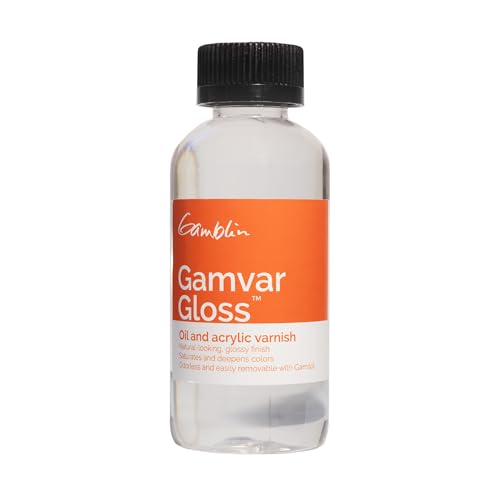
Gamblin Gamvar Picture Varnish offers a clear protective layer designed for oil paintings. It’s designed to be archival and is a standard in many professional studios for final varnishing. Best for artists seeking a dependable final coat that balances protection with color fidelity. A limitation to consider is that some users may prefer matte or satin alternatives depending on their painting style and lighting conditions.
Buying Guide: Key Purchase Considerations
What finish do you want? Gloss finishes enhance color saturation and depth, while satin finishes reduce glare and emphasize brushwork. UV archival options provide longer color stability for works exposed to light. For sensitive studios, non-toxic or low-VOC formulas reduce exposure during application.
What to look for in spray varnish for oil paintings
- Archival properties: Look for terms like archival, non-yellowing, and UV protection to ensure long-term stability.
- Finish preference: Gloss, satin, or matte—choose based on desired appearance and lighting in the display area.
- Drying and rework: Some varnishes allow reworking during application; others form a permanent coat quickly. Consider your workflow.
- Application safety: Check for flammability warnings and ensure proper ventilation and PPE during spraying.
- Compatibility: Ensure the varnish can be used on the media you work with (oil, acrylic, or mixed media).
Fast answers to common buyer questions
- Which varnish is best for protecting oil paintings from UV light? Krylon Gallery Series UV Archival Varnish (Satin) and Gloss variants provide UV protection for archival needs.
- Is a gloss or satin finish better for oil paintings? Gloss enhances color depth; satin reduces glare. Choose based on lighting and preferred look.
- Can I rework after spraying? Some products allow rework; others form a permanent film. Check product notes for rework potential.
- Are aerosol varnishes safe for indoor use? Use in a well-ventilated area; follow solvent-related cautions and keep away from flames.
- Do varnishes yellow over time? Some varnishes are labeled non-yellowing; ensure you select a product designed for long-term stability.
Frequently Asked Questions
- Do all varnishes work the same on oil paintings as on acrylics? Not all formulas are interchangeable; check compatibility on oil mediums.
- Should I test a varnish on a scrap area before applying to the entire painting? Yes, testing helps verify finish and color fidelity.
- How long should I wait before applying a second coat? Follow product guidance; temperature and humidity can affect cure times.
- What is the best way to store spray cans? Store upright in a cool, dry place away from direct sunlight and heat sources.
- Is a final varnish the same as an isolating layer? Final varnish acts as a protective film; some artists use an isolating layer first, depending on medium and preference.
Add a Comment