Answering the question most buyers ask: which warm light green paints best blend into living spaces and art projects? This guide highlights five top options that suit a range of surfaces—from canvas to walls—while explaining who each product is best for. Whether you’re aiming for soft sage tones, versatile primers, or shimmering greens, these picks help you achieve cohesive, inviting results.
| Product | Best For | Finish | Notes |
|---|---|---|---|
| Artecho Sage Green Acrylic Paint 120ml | painters needing portable single-pigment tubes | Gloss | Excellent coverage; non-toxic |
| THE ONE All-In-One Sage Green | DIY interiors and quick projects | Matte | One-coat formula; indoor/outdoor |
| Colorations Paraben-Free Light Green Tempera | Kids’ crafts and schooling | Matte | Paraben-free; versatile on paper and cardboard |
| Winsor & Newton Winton Permanent Green Light | oil painters seeking a soft green tone | Permanent Oil | Affordable quality; suitable for learning |
| Liquitex BASICS Light Green Permanent | students and hobbyists | Satin | Good pigment load; great for color mixing |
Artecho Sage Green Acrylic Paint 120ml

Best for solo projects and portable use, this 120ml tube offers a single sage green pigment with good lightfastness and a glossy, fast-drying finish. The creamy consistency supports bold coverage on large areas or fine details, making it a solid choice for acrylic artists and mixed-media work.
Who this is for: acrylic painters who want reliable color control without mixing multiple pigments. Why selected: high pigment load and smooth glide on canvas, paper, wood, or ceramic. Caution: not ideal for long-term outdoor exposure without sealer.
THE ONE All-In-One Sage Green

This 8.5 fl oz/250 ml paint-and-primer in one covers a wide range of interior and exterior surfaces. Its one-coat formula suits quick renovations on walls, furniture, cabinets, and more. It’s a durable option when you want less heavy-lifting in color matching and finishing.
Best for: DIYers tackling projects with minimal layering. Why selected: saves time and effort with a single-step finish. Caution: the finish level (Matte/Satin/Gloss) must be chosen upfront to match the project’s needs.
Colorations Paraben-Free Light Green Tempera
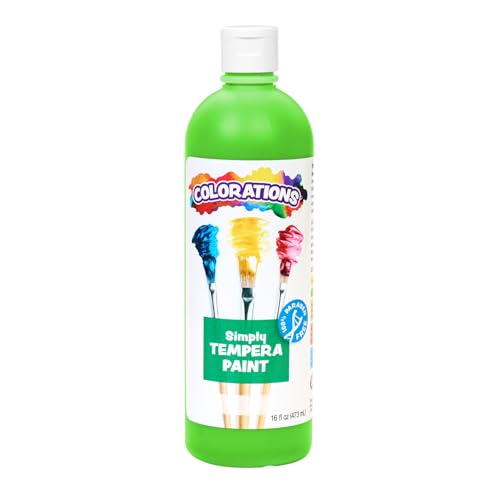
Designed for kids and classroom use, this 16 oz light green tempera is paraben-free and suitable for non-greasy surfaces like paper and cardboard. It dries to a matte finish and is ideal for learning color blending and exploring artistic effects.
Best for: education settings and family-friendly crafts. Why selected: safe, easy to apply, and easy to clean up. Caution: not ideal for high-gloss finishes or long-term art pieces that require durability.
Winsor & Newton Winton Oil Color Permanent Green Light
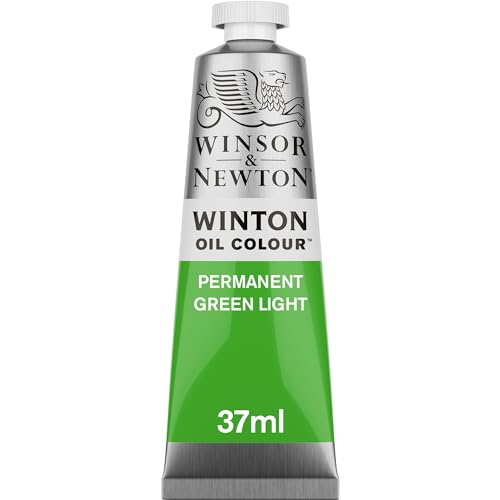
Oil painters seeking a soft green tone will find this entry in Series 1 a credible choice. It offers traditional oil painting behavior with a dependable pigment load, suitable for demonstrations, practice, and traditional techniques in greens.
Best for: students or hobbyists exploring oil painting with green hues. Why selected: approachable price point within oil colors and reliable consistency. Caution: oil paints require solvent handling and proper ventilation; use with care.*
Liquitex BASICS Light Green Permanent

This 8.5 oz tube provides a thick, creamy paint with a satin finish and a good pigment load. It holds peaks well, making it suitable for color theory practice and color-mixing experiments. It’s a practical option for students and beginners exploring green tones.
Best for: learning color theory and mixing. Why selected: dependable for practice and layering; cautions include potential variegation on very absorbent surfaces.
Buying Guide
- Finish and sheen: Matte finishes blend well with walls; satin or gloss can enhance art pieces. Choose based on project needs and lighting conditions.
- Surface compatibility: Acrylics work on canvas and paper; oil colors suit traditional painting; tempera is best for paper-based crafts. Match the product to your surface.
- Pigment vs. volume: Higher pigment load provides better coverage and color depth. For large areas, consider larger tubes with strong pigments.
- Safety and handling: Check for non-toxic formulations, especially for kids’ projects. Follow ventilation guidelines for oil paints.
- Longevity and finish permanence: Consider varnishes or sealers for outdoor or long-lasting works, especially with acrylics and oils.
FAQ
- What warm light green colors work well for interiors? – Sage greens and soft greens like Permanent Green Light are versatile for walls and furniture.
- Are there kid-friendly green paints? – Yes, colors like Colorations Light Green Tempera are paraben-free and suitable for classrooms.
- Can I use acrylic greens for outdoor projects? – Acrylics can be used outdoors with proper sealer and UV protection; choose durable finishes.
- What finishing should I choose for crafts? – Matte finishes are common for paper crafts; satin or gloss can enhance painted furniture or accents.
- Is oil color a good alternative to acrylics for greens? – Oils offer different blending properties and longer drying times; they suit traditional painting and fine blending.
- How do I compare these greens for a cohesive look? – Compare undertones, finish, and surface compatibility to ensure a cohesive palette across projects.
Add a Comment