Answering the question, these wood color spray paints and stains deliver even coverage, fast dry times, and durable finishes for interior and exterior wood surfaces. Each option suits different buyers: DIY hobbyists seeking quick color changes, furniture refinishing pros needing fast project turnaround, and outdoor renovators needing weather resistance. Below is a quick product snapshot to guide your selection.
| Product | Best For | Finish | Key Benefit |
|---|---|---|---|
| Varathane Premium Fast Dry Dark Walnut Wood Stain Spray | Interior furniture, cabinets, doors | Oil-based stain | Quick, even coverage; hard-to-reach areas |
| Varathane Premium Fast Dry American Walnut Wood Stain Spray | Intricate refinishing projects | Oil-based stain | 3X faster project completion; wide coverage |
| Krylon COLORmaxx Spray Paint and Primer, Leather Brown | Furniture refresh, craft projects | Gloss finish with primer | Adhesion on multiple surfaces; indoor/outdoor use |
| Glidden Master Finish Satin Earthy Cane | All-surface color and primer combo | Satin | Fast drying; versatile on wood, metal, plastic |
| Rust-Oleum Stops Rust Multi-Color Textured Rustic Umber | Outdoor wood and decor | Textured enamel | Weather and rust resistance; textured finish |
Below are five carefully chosen products designed to cover a range of needs—from quick stains for interior furniture to outdoor-protective paints for wood projects. Read each section to compare suitability, limitations, and best-use scenarios.
Varathane Dark Walnut Wood Stain Spray
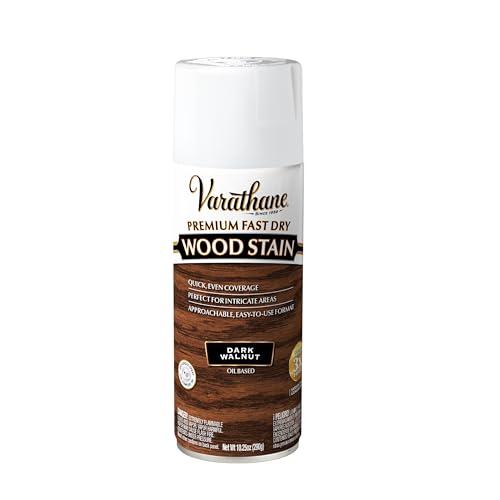
Best For: Interiors—furniture, cabinets, and doors seeking a rich walnut tone. This oil-based spray stain provides quick, even coverage with easy application, especially on detailed surfaces.
Why selected: It speeds up projects, offering up to 40 sq. ft. coverage per can and a finish suitable for intricate work. It’s a solid choice when time is a factor and a dark walnut shade is desired.
Limitation: Oil-based formula may require mineral spirits for cleanup and longer odor presence; ensure proper ventilation.
Varathane American Walnut Wood Stain Spray

Best For: Interior refinishing on furniture and cabinetry where a classic walnut hue is desired. This spray stain matches deep wood tones with a smooth, even application.
Why selected: Similar premium coverage and speed as the Dark Walnut variant, enabling consistent color matching across multiple pieces or rooms.
Limitation: Being oil-based, cleanup requires appropriate solvents and caution for indoor use without proper ventilation.
Krylon Leather Brown COLORmaxx Spray Paint and Primer

Best For: Quick refresh of wood furniture, crafts, and decorative pieces with a classic leather-brown gloss. Combines primer and color for smoother results.
Why selected: Ideal when you want a one-step solution for color and adhesion on multiple indoor substrates, including wood and plastics.
Limitation: Gloss finish highlights surface imperfections more than flatter sheens; surface prep remains important.
Glidden Master Finish Satin Earthy Cane

Best For: All-surface color and primer for quick projects around the home, indoors or outdoors. Great for cabinets, furniture, and decorative wood accents.
Why selected: Combines primer and color for faster prep times; satin finish hides minor imperfections while maintaining a warm, earthy wood tone.
Limitation: May not provide the same depth as premium stains for very dark woods; darker woods may require multiple coats for full coverage.
Rust-Oleum Stops Rust Rustic Umber

Best For: Outdoor wood projects that require color, texture, and protection against weather and rust. Suitable for wooden benches, planters, and decors exposed to the elements.
Why selected: Combines color with texture and protective properties, making it a good option for outdoor wood with a rustic appearance.
Limitation: Textured finish may obscure fine details and grain; test on small areas to ensure the texture meets expectations.
Buying Guide: Wood Color Spray Paints and Stains
What finish should you choose? Stains (oil-based) penetrate and color wood while preserving grain, ideal for furniture and cabinetry. Sprays with primer provide quick color on various surfaces and can simplify prep. For outdoor use, look for weather-resistant or rust-preventive formulations. If you need a single-step solution, many products include primer or are designed for fast drying; for premium color or deep tones, consider multiple coats or layers with compatible sealants.
Practical questions to consider
- Indoor or outdoor use: Is weather exposure a factor for your project?
- Desired finish: Gloss, satin, or flat? How much grain visibility do you want?
- Surface type: Will you spray wood, metal, or plastic? Do you need primer?
- Drying and recoat times: Do you need the project completed quickly?
- Cleanup and ventilation: Are you indoors and able to ventilate adequately?
Tips for best results
- Prep properly: Clean, sand lightly, and remove dust before spraying.
- Test color on a scrap piece to verify shade and finish.
- Apply in thin, even coats and maintain a steady distance from the surface.
- Ventilate well and wear a mask when using oil-based products.
FAQ
- Q: Are spray stains and spray paints interchangeable for wood furniture?
- A: They serve similar goals but differ in technique; stains color and seal wood, while spray paints provide color or primer plus surface protection. Choose based on whether you want wood grain visibility or a solid color.
- Q: Can I spray over an existing finish?
- A: Generally, yes with proper surface cleaning and light scuffing; apply primer if recommended by the product guidelines.
- Q: Which finish hides imperfections best?
- A: Flat or satin finishes tend to hide minor flaws better than high-gloss finishes, which highlight surface texture.
- Q: Is oil-based spray easier to work with than water-based?
- A: Oil-based products typically offer richer color and longer durability but require solvents for cleanup and better ventilation.
- Q: How do I avoid runs and sags?
- A: Apply multiple light coats rather than a single heavy coat; keep the spray moving and maintain a consistent distance from the surface.
Add a Comment